What's on Your Plate
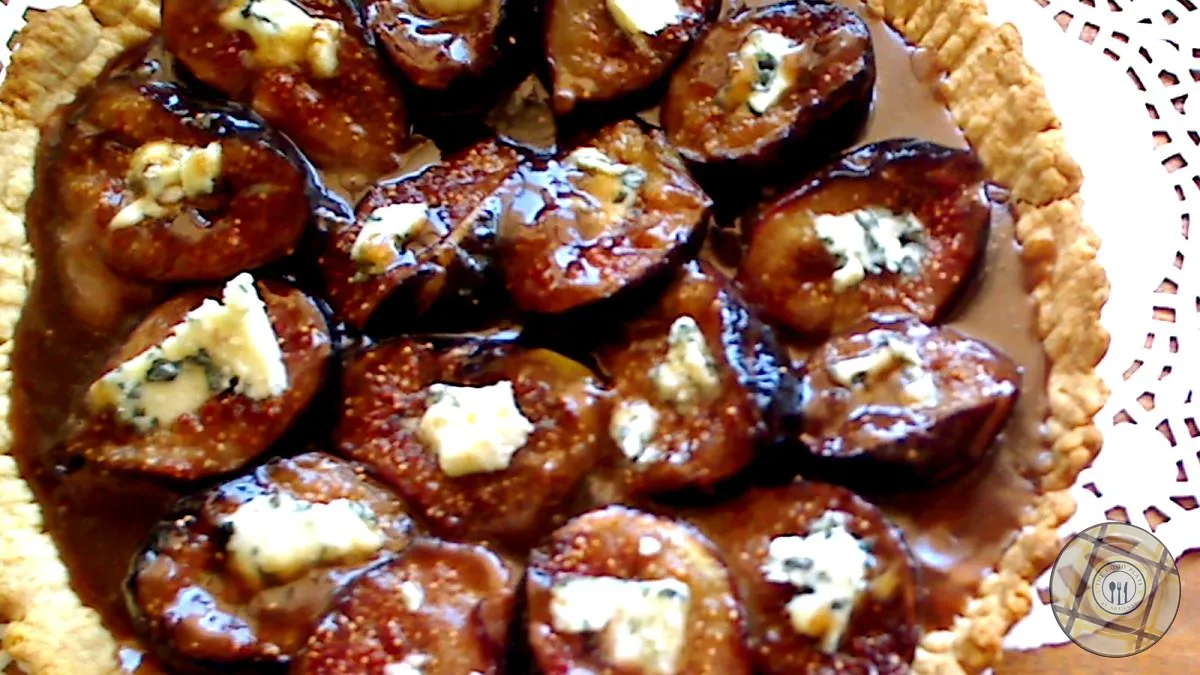
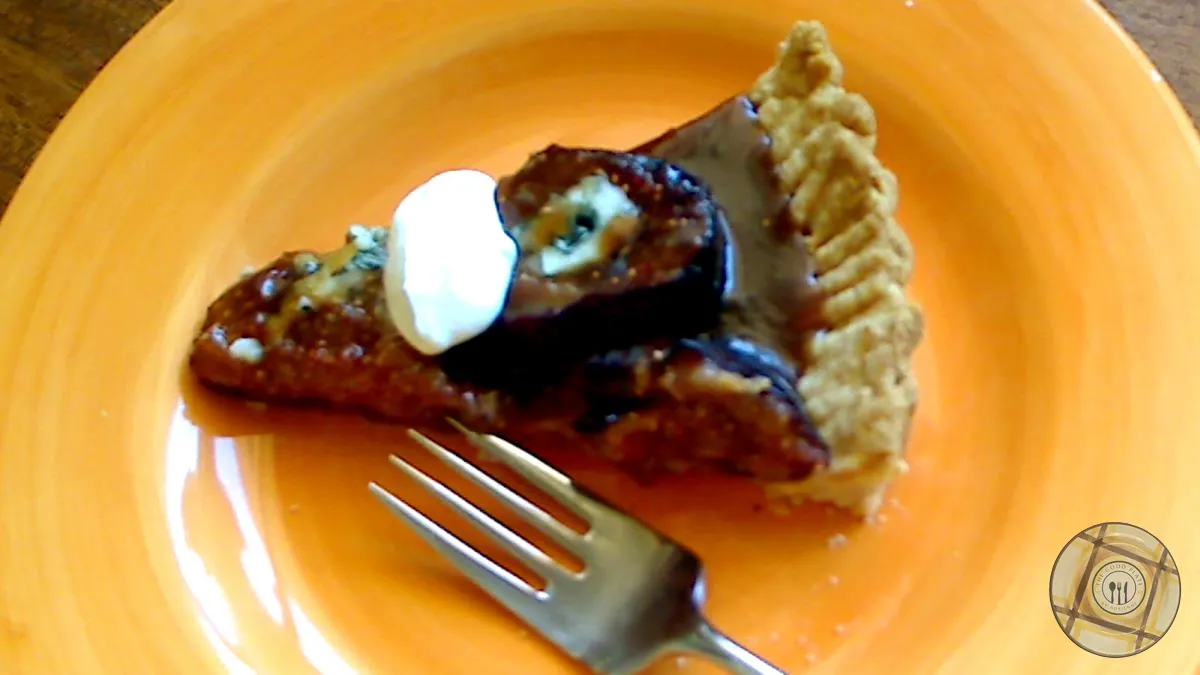
Fig Tart with Balsamic Honey Glaze is a sophisticated way to enjoy this summer fruit. Sauté fresh figs cut-side down in butter, sugar, and balsamic vinegar. Arrange in a baked French sweet tart shell. Stuff each fig half with creamy blue cheese. Reduce the pan juices with butter, brown sugar, and cinnamon into a glaze and spoon over the top. Refrigerate and serve with sour cream.
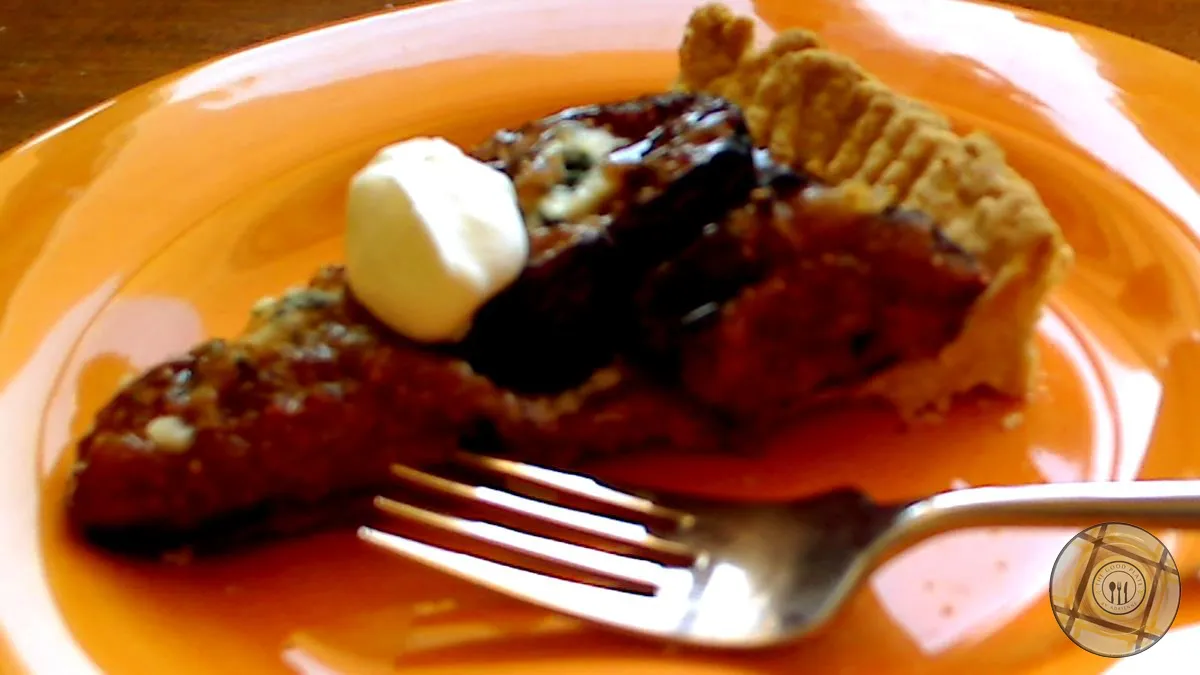
June brings fresh figs to farmers markets and backyard trees, and this is the moment to use them in something worth the wait. The combination of sweet, jammy fruit and sharp, creamy cheese might sound unexpected — but it is a classic pairing that has earned its place on cheese boards and restaurant menus for good reason. This tart makes it into a showpiece.
My neighbor who generously gave me the apples to make Apple Pancakes, Apple Stuffed Wontons, and Franks with Apples, surprised me again and brought me fresh figs.
The journey to this tart was one of discovery. I had not cooked with figs before, let alone made a fig tart. My only exposure to figs was the ubiquitous Fig Newton cookie. With that in mind, I wanted something that was sweet, but not too sweet, and with a cookie type crust. My Stovetop French Tart Shell turned out to be perfect for this.
Fresh Figs
Figs are amazing fruits. Figs are among the richest plant sources of calcium and fiber. They have been cultivated for thousands of years, even before wheat. Figs dated 9,200 years ago were discovered in the Jordan Valley in a house in the early Neolithic village of Gilgal I by a team of researchers from Bar-Ilan University in Israel and Harvard University.
Figs are mentioned in the Bible many times, beginning in Genesis, Chapter 3, verse 7 where Adam covers himself with a fig leaf. Jesus even curses a fig tree in Mark Chapter 11, verse 12 and Mathew Chapter 21, verse 19. I guess there was only one unfortunate fig tree, it has a bevy of other cultural and historical references. A whole chapter is devoted to it in the Qur'an. Sura 95 of the Qur'an is named al-Tīn (Arabic for "The Fig"), as it opens with the oath "By the fig and the olive." Buddha achieved enlightenment under the bodhi tree, a large and old sacred fig tree. In Greek mythology, a crow angers Apollo having been tempted by a fig. In modern times, we have wonderful Fig Newtons.
Botanically, what looks like a fruit is actually an inverted flower cluster called a syconium, with tiny flowers blooming on the inside. This structure produces the jammy, seed-studded texture that concentrates so beautifully when figs meet heat.
Why Fig Tart with Balsamic Honey Glaze works
Sautéing the figs cut-side down in butter, sugar, and balsamic vinegar does two things at once: it caramelizes the cut surface of the fruit and simultaneously builds the base of the glaze in the same pan. The acidity of the balsamic vinegar balances the natural sugar in the figs so the result is complex rather than cloying.
Blue cheese is the right stuffing here because its saltiness amplifies the sweetness of the fig rather than competing with it. A creamy variety — Danish blue, Gorgonzola dolce, or Roquefort — softens slightly when nestled against the warm fig, creating a smooth pocket of flavor inside each half. Pre-crumbled blue cheese tends to be dry and will not integrate the same way; buy a wedge and break off slices.
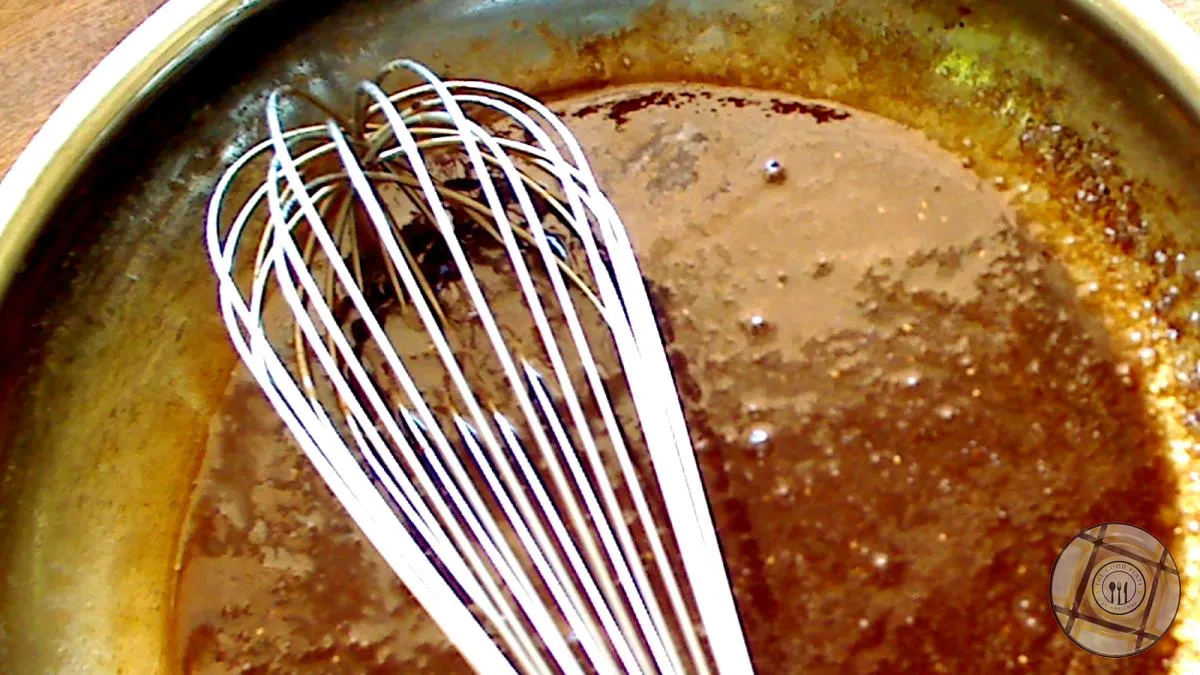
The glaze is built from the residual pan juices, with butter, brown sugar, and cinnamon whisked in and reduced until thick enough to coat the back of a spoon. This step recovers every bit of flavor that developed during the fig sauté and ties the entire tart together.
Common Mistakes and Gotchas
A list of common mistakes and Gotchas
- Fit the figs to the pan before cooking. Arrange the raw figs in the tart shell first to gauge how many you need. Fig size varies considerably — you may need more or fewer than the recipe specifies.
- Do not overcook the figs. Two minutes per side is the upper limit. Overcooked figs collapse into mush and will not hold their shape in the tart.
- Watch the glaze closely. Brown sugar burns fast. Keep the heat low and whisk constantly once the sugar goes in.
- Use creamy blue cheese, not pre-crumbled. Block or wedge only. Crumbled blue cheese is too dry to stuff cleanly and will not melt into the fig.
Serving and Storage the Fig Tart with Balsamic Honey Glaze
Serving
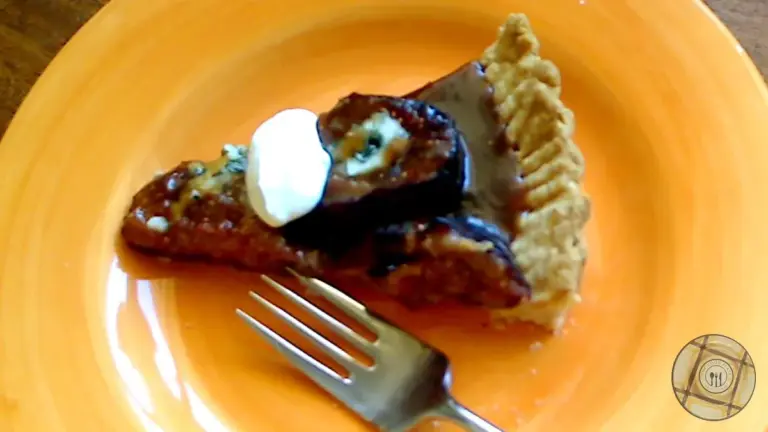
Remove the tart ring and transfer the tart to a serving plate. Slice into 8 portions and top each piece with a small dollop of sour cream. The sour cream cuts through the richness of the glaze and cheese. Serve at cool room temperature or lightly chilled.
Storing
Refrigerate the tart, loosely covered, for up to 3 days. The shell will soften slightly over time but remains flavorful. Do not freeze — figs and blue cheese do not hold up after freezing and thawing.
FAQ
Can I make this tart ahead of time?
Yes. Assemble and glaze the tart, then refrigerate for up to 24 hours. Add the sour cream at the moment of serving.
What kind of blue cheese works best?
A creamy, relatively mild variety is the goal — Danish blue, Gorgonzola dolce, or Roquefort. Avoid anything dry or aggressively pungent, which will overpower the fig.
Can I skip the blue cheese entirely?
Yes. The tart works without it. A small piece of brie or fresh goat cheese makes a milder alternative if you want something in that space.
Can I use dried figs?
No. Fresh figs are essential. Dried figs will not caramelize the same way and produce an entirely different texture.
Do I need a tart pan with a removable bottom?
A removable-bottom pan is strongly recommended. It makes unmolding clean and keeps the shell intact for presentation.
Step by Step Photos
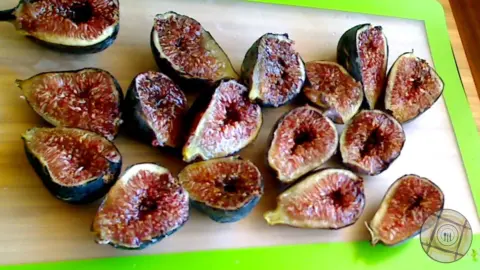
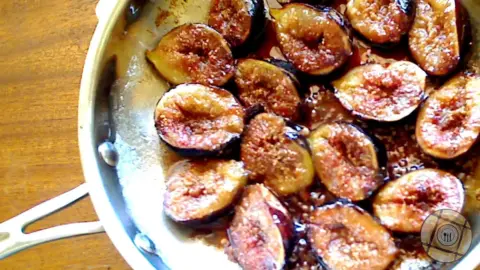
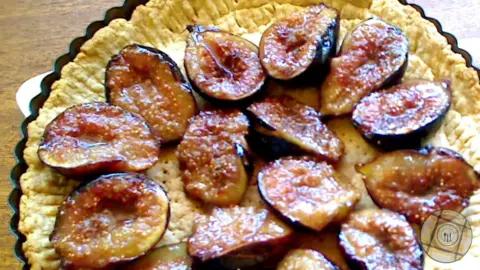
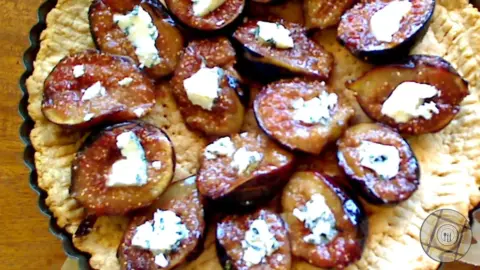
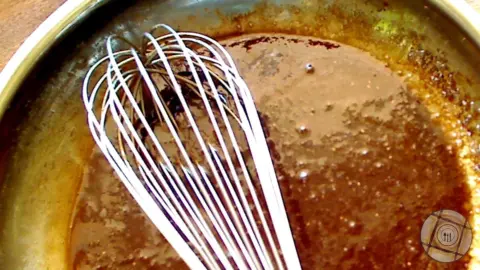
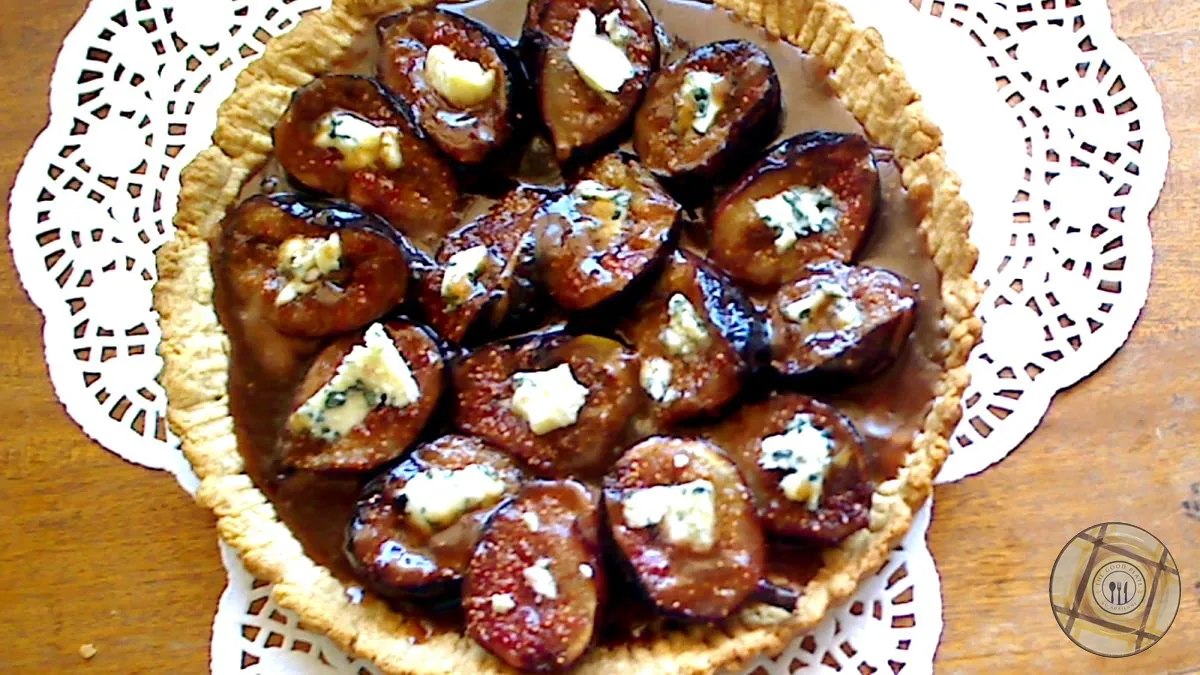
Fig Tart with Balsamic Honey Glaze Recipe
Email Me the Recipe
Enter your email address and we will send it straight to your inbox.
Blue Cheese Stuffed Fig Tart with Balsamic Honey Glaze
Tips from the Chef
You really do not want to use crumbled blue cheese because it has a tendency to be dried out. Get a good, creamy variety, Danish would be a good choice.
Variations
If you do not like blue cheese, you can omit it.
Equipment
If you purchase any of the products through these affiliate links, I get a few pennies that help keep The Good Plate open. I use these products myself and want you to be able to easily find them.

Ask the Cooking Genie
Have a question about this recipe that isn't answered in the post? The Cooking Genie is at your service. The Genie knows this recipe well, but even genies slip up now and then — please use your own good judgment in the kitchen. Per genie union rules, the Genie may grant three questions per visit. For anything beyond this recipe, please use the contact form.
Ingredients
- Stovetop French Tart Shell, prepared
Figs
- 8 fresh figs
- 2 tbsp unsalted butter
- 1 tbsp sugar
- 1 tbsp balsamic vinegar
Glaze
- 1 tbsp unsalted butter
- 1 tbsp brown sugar
- 1/2 tsp cinnamon
Stuffing and Presentation
- 1 *Blue cheese, not crumbled
- Sour Cream
Instructions
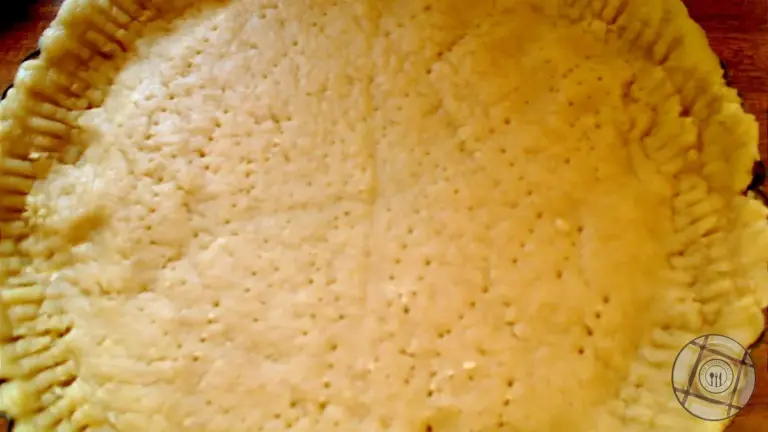
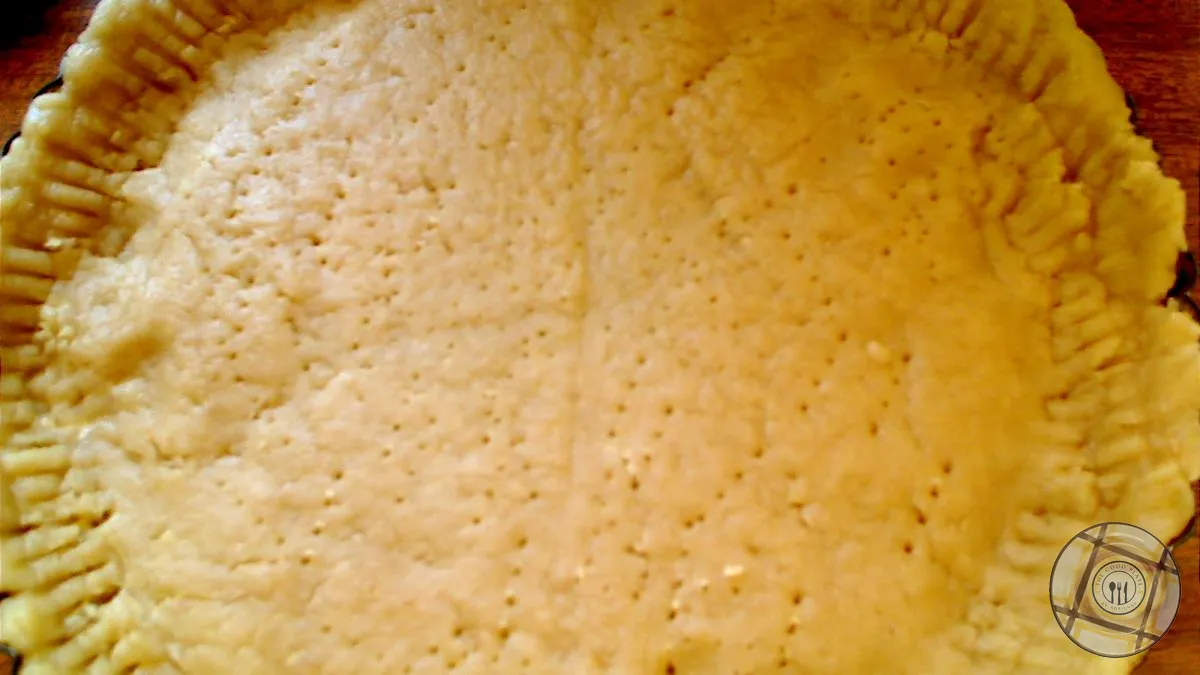
- Have ready a French sweet tart shell.
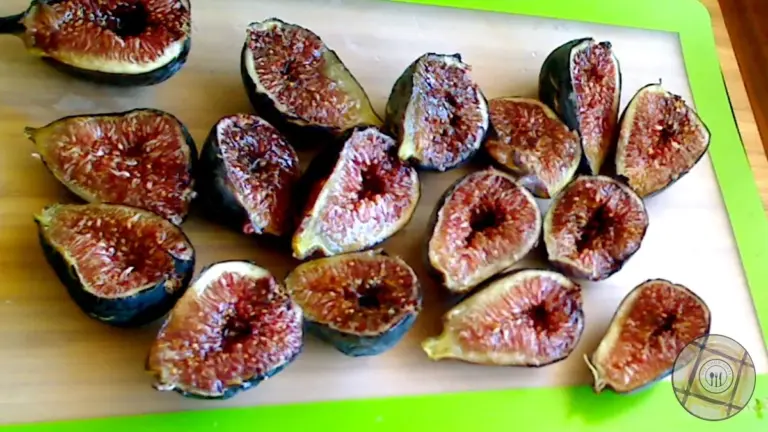
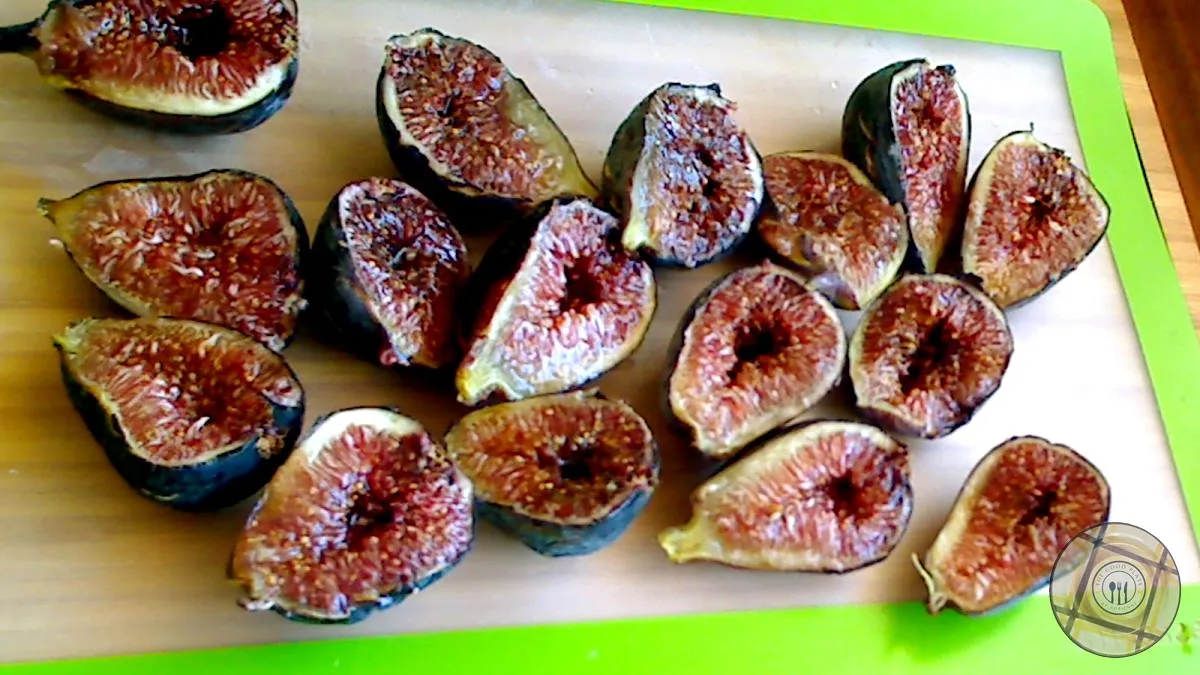
- 8 fresh figsCut the figs in half lengthwise. Set aside.
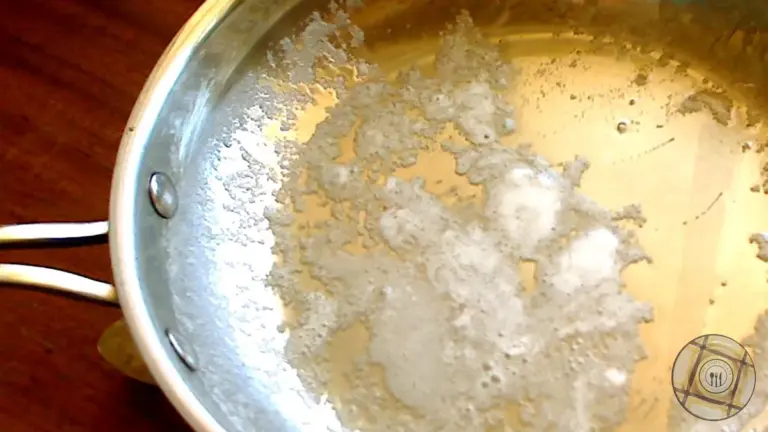
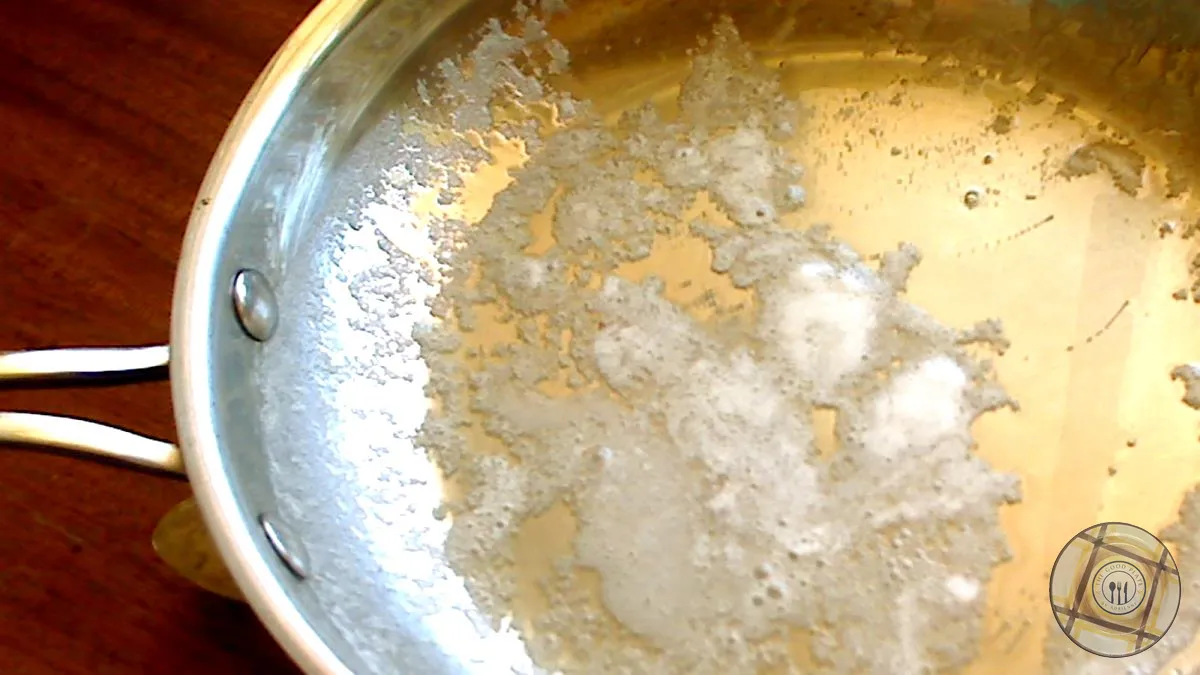
- 2 tbsp unsalted butterMelt the butter in a heavy bottom saute pan.
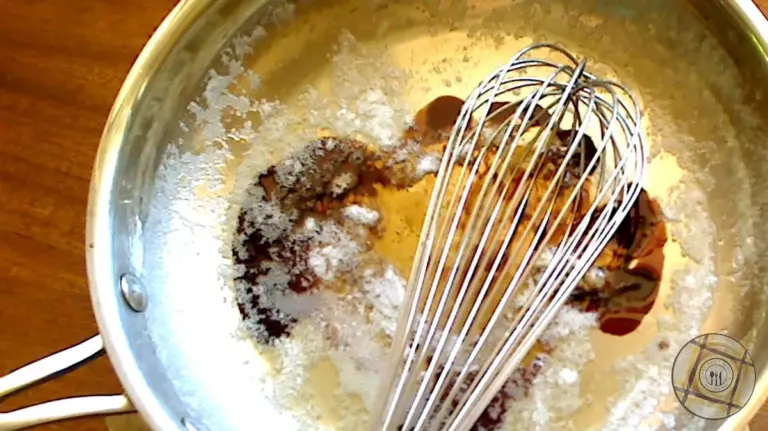
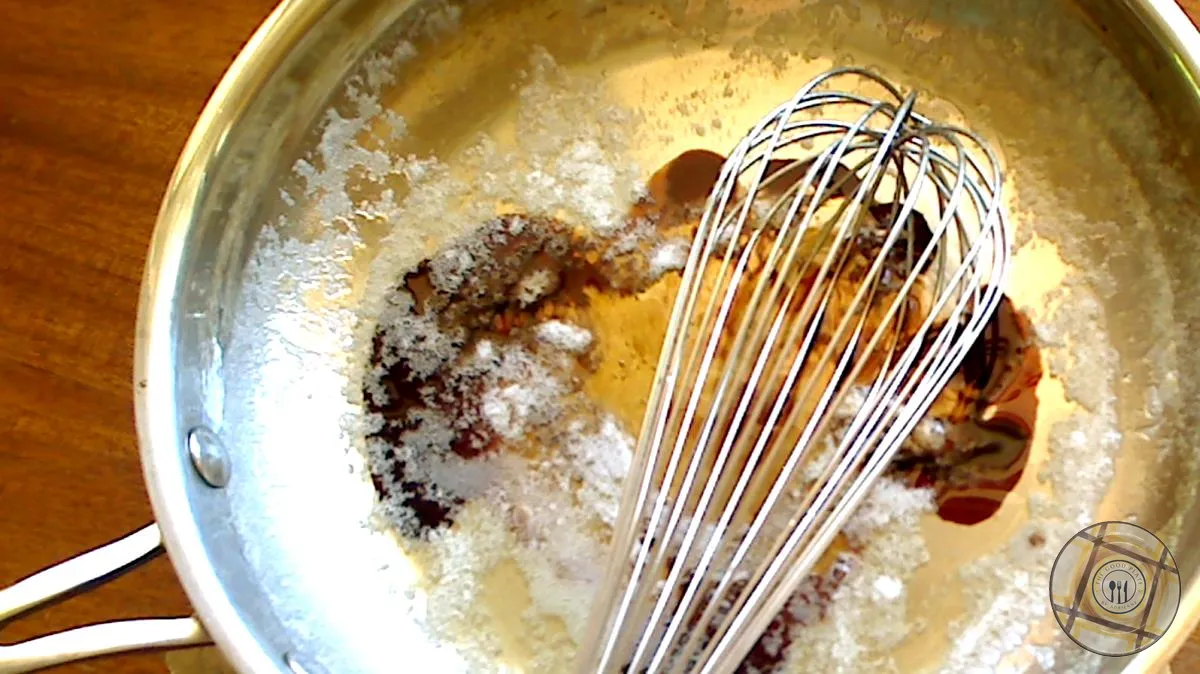
- 1 tbsp sugar, 1 tbsp balsamic vinegarWhisk in the sugar and balsamic vinegar, and whisk to thoroughly combine.
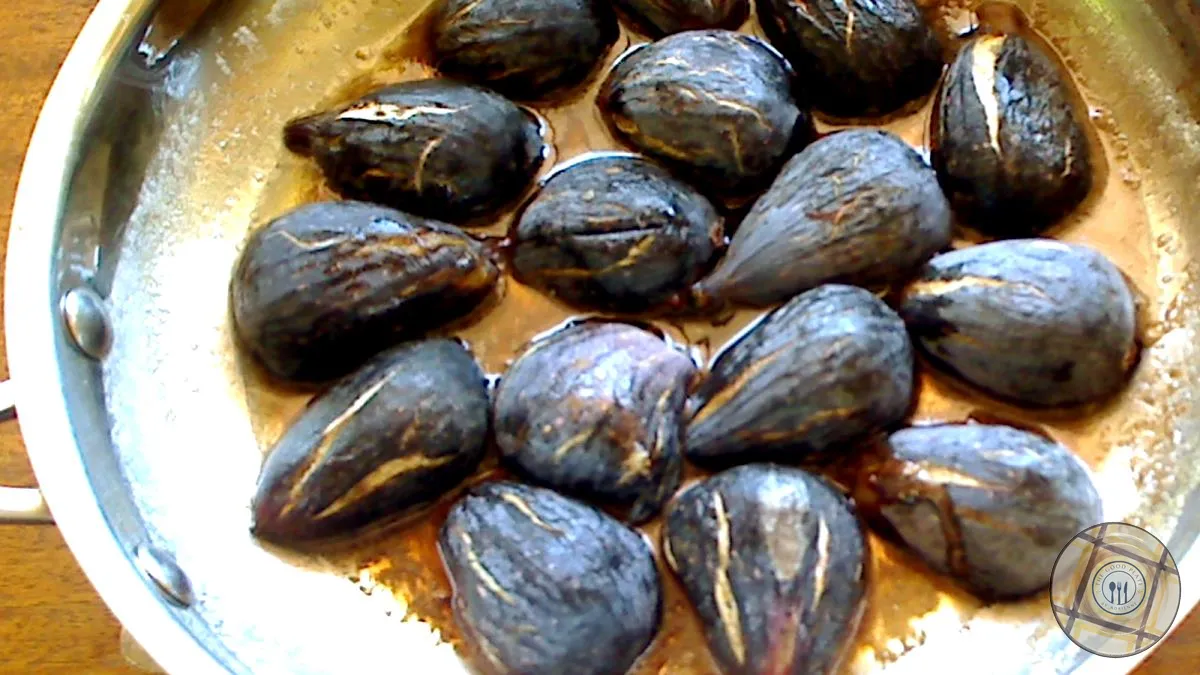
- Reduce the heat and carefully place the figs in the pan, cut side down.
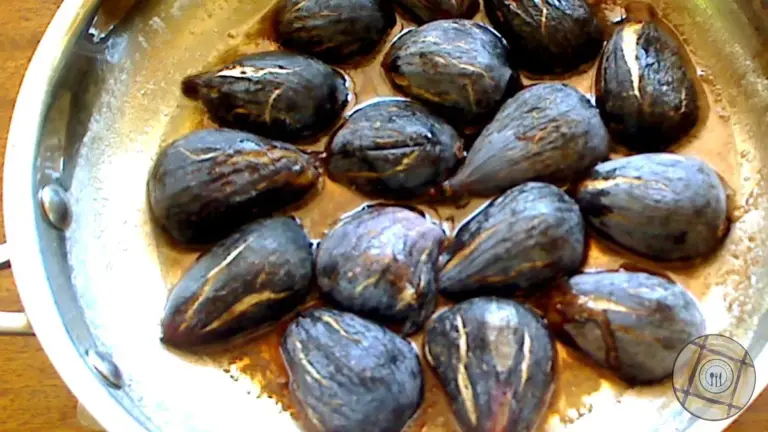
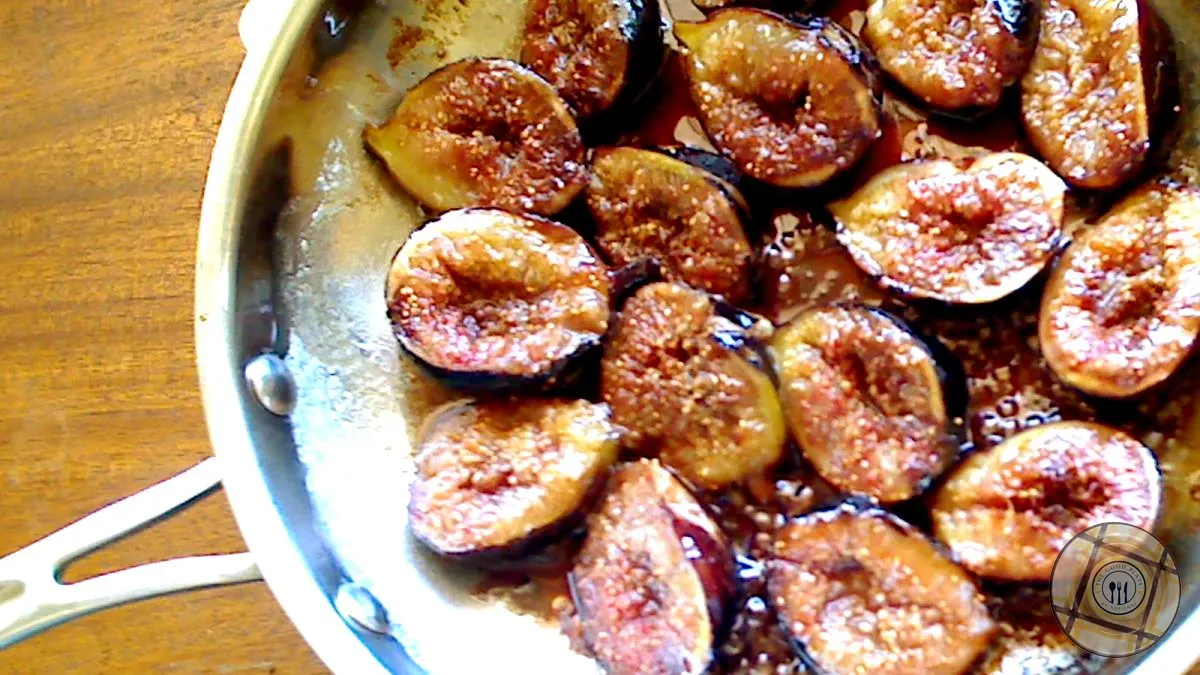
- Spoon the liquid over the top, and let the figs saute for about 2 minutes, then turn. Don't let them get too soft.
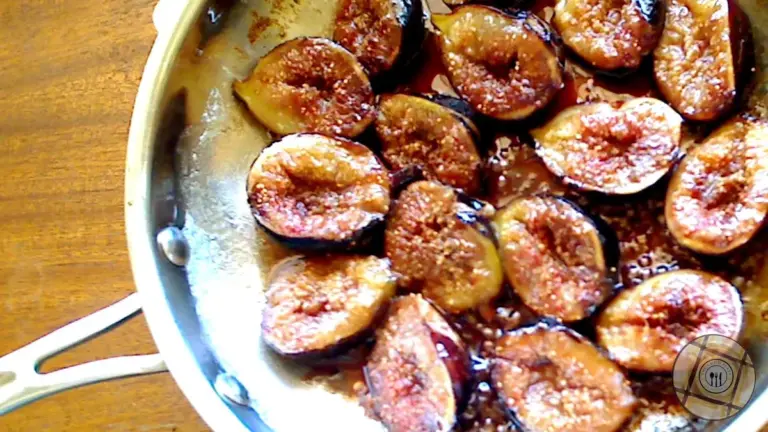
- Remove the figs to a plate and set aside to cool. Do not throw away the liquid in the pan, you will need it for the glaze. When they are cool enough to handle, put them into the tart shell.
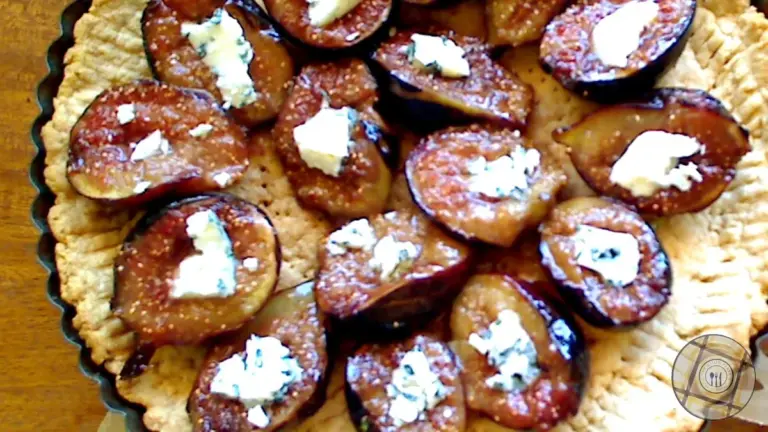
- 1 Blue cheeseTake about 2 or 3 slices of the blue cheese, and break those slices into enough pieces to stuff each fig half. You can save the rest of the cheese for Chicken with Gorgonzola and Pistachios or what have you.
- Carefully make a small indentation in the top of each fig. Put the cheese into the indentation.
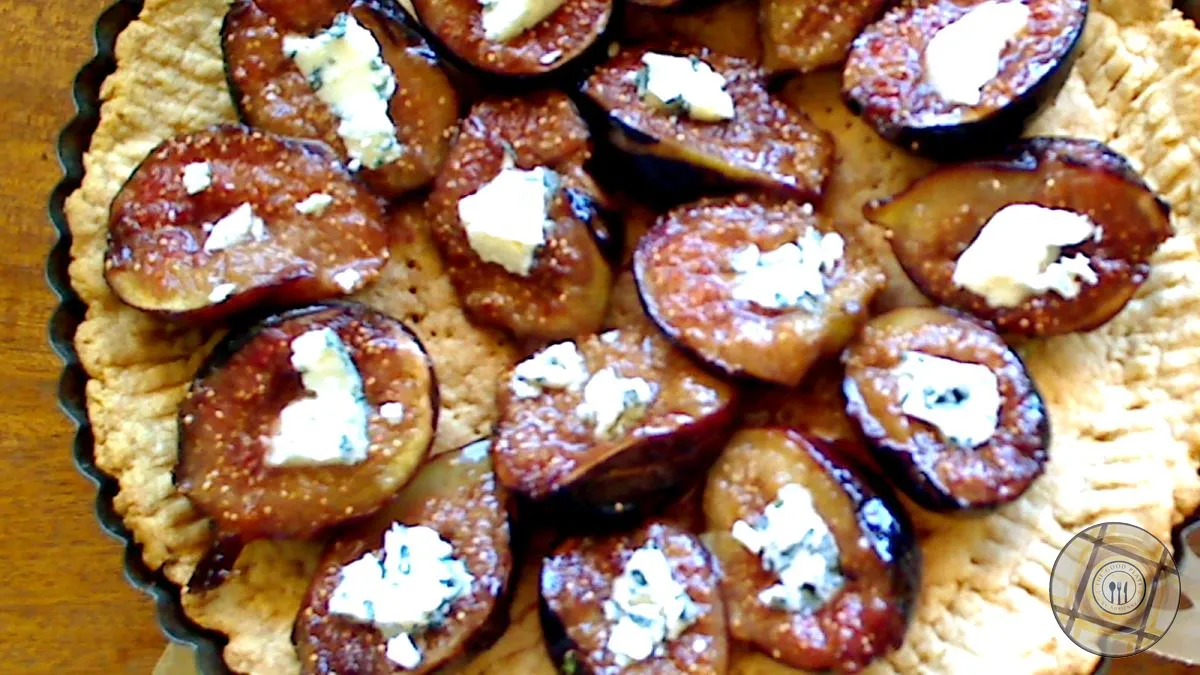
Glaze
- 1 tbsp unsalted butter, 1 tbsp brown sugar, 1/2 tsp cinnamonAdd the remaining butter to the juices left in the pan, the brown sugar and cinnamon. Whisking the whole while, watch carefully so the sauce does not burn. Let it get thick enough to stick to the back of a spoon, then take it off the heat.
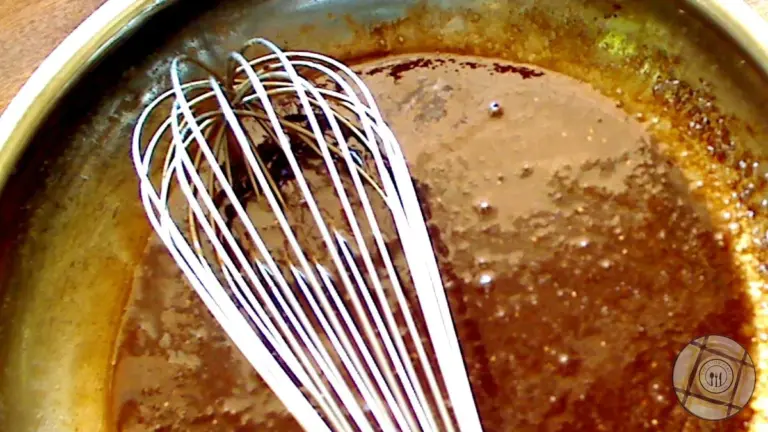
- Spoon the glaze over the figs, especially filling in those areas where there is no fig.
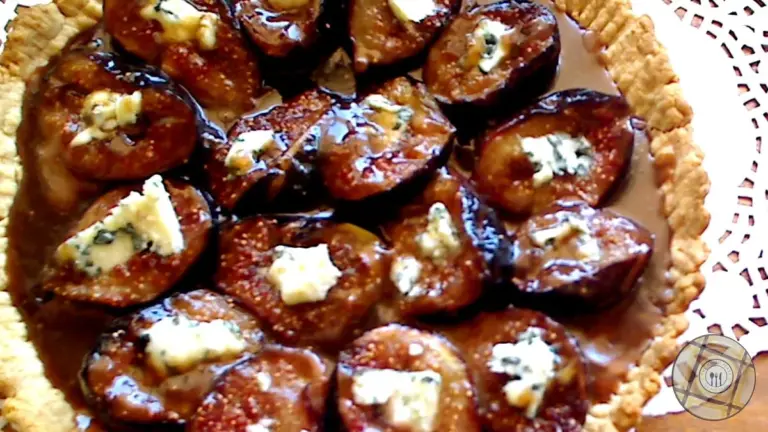
- Refrigerate until ready to serve.
- Presentation
- Remove the rim of the tart shell and put the tart on a nice plate.
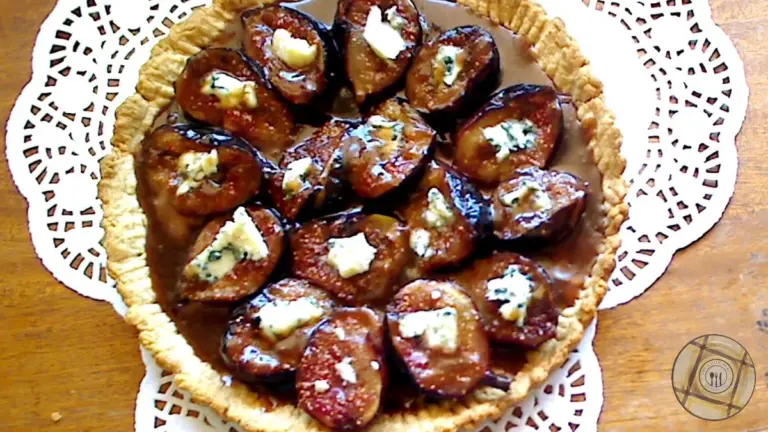
- Sour CreamCut a small slice and top it with a dollop of sour cream. Refrigerate the remaining tart.