Summary
Stove Top Cooked French Sweet Tart Dough is a pâte sucrée-style shell built that requires no food processor, no chilling, no pie weights, no blind baking. Ready in 35 minutes. Makes one tart shell.
What's on Your Plate
This stovetop French tart shell is merely a matter of melting butter, oil, sugar, and salt in a saucepan until lightly caramelized. Pour over flour in a stand mixer bowl. Mix, then press into a tart pan with a removable bottom, prick all over with a fork, and bake.
This has got to be the easiest way to make sweet tart dough. It makes a dough that is almost like a good cookie, just delicious! I wanted to find a way to make tart dough without using the food processor. I found a recipe at David Lebovitz that looked promising - it required melting butter in the stove. Hey, it's summertime in Glendale, California, and I didn't want to make my house any hotter if I could help it.
I figured that I could melt the butter on the stove top, and use the *Kitchen Aid mixer to actually make the dough. I was right, it worked out perfectly. This will be my go-to recipe for sweet tart dough from now on. Because of the caramelization of the butter and sugar, the crust had a slight caramel flavor and color that was perfect for my Blue Cheese Stuffed Fig Tart with Balsamic Honey Glaze.
About the Food
Pâte sucrée — French for "sweet dough" — is the standard pastry base for French-style tarts. Unlike pâte brisée, which is closer to a flaky pie crust, pâte sucrée is enriched with sugar and egg to produce a firmer, more cookie-like texture that holds its shape cleanly when sliced. French pastry tradition traces its formal codification to the great 19th-century chef Marie-Antoine Carême, who systematized classical pastry categories that are still taught in culinary schools today.
Traditional pâte sucrée is a cold-butter method: the fat is cut into the flour while cold to produce a fine, sandy texture before liquid is added. The goal is to minimize gluten development by keeping fat coated flour particles separate for as long as possible. This recipe achieves the same result through an entirely different mechanism — the hot butter and sugar coat the flour particles immediately on contact, interrupting gluten formation before it can begin. The stand mixer then brings it together without the friction and warmth that hand mixing introduces. Same science, opposite approach.
Why Stovetop French Tart Shell works
The key step is the caramelization. Melting the butter, oil, sugar, and salt together until the mixture just begins to take on color does two things: it drives off excess moisture from the butter, which would otherwise contribute to gluten development, and it introduces Maillard reaction compounds that give the finished shell its faint caramel flavor and warm golden color. That color is visible in the dough before it even hits the oven.
Pouring the hot mixture directly over the flour and mixing immediately means the fat coats the flour particles before water absorption can begin in earnest. Less gluten development equals a more tender, crumbly result — exactly the cookie-like texture that makes this shell work so well under fruit tarts and glazed fillings.
Pricking the shell thoroughly before baking eliminates the need for blind baking with weights. The fork holes give steam a path to escape rather than lifting the base away from the pan.
Common Mistakes and Gotchas
A list of common mistakes and Gotchas
- Watch the caramel closely. The butter and sugar mixture moves from golden to burnt faster than expected. Pull it off the heat as soon as it reaches a light amber color — carryover heat will deepen it slightly off the burner.
- Flour and humidity matter. The amounts in this recipe are starting points. A humid kitchen may require a little extra flour; a dry one may need the full measure of milk. The dough should form a soft, pliable ball — not sticky, not crumbly.
- Use a neutral oil. Peanut or sunflower oil are the right choices here. Olive oil, grapeseed oil, and avocado oil all have pronounced flavors that will compete with the caramel notes in the dough.
- Press firmly and evenly. Use the heel of your hand to work the dough across the bottom and up the sides of the pan in an even layer. Thin spots will brown faster than thick ones and can crack when unmolded.
Serving and Storing the Stovetop French Tart Shell
Serving
This shell is a component, not a standalone dish. Use it as the base for [Fig Tart with Balsamic Honey Glaze]([FIG TART URL]) or any fruit tart, custard tart, or glazed filling that benefits from a crisp, slightly sweet foundation. The shell can also be served broken into pieces alongside ice cream or a cheese board — it behaves exactly like a shortbread.
Storing
Once baked and cooled, wrap the shell tightly in plastic wrap and store at room temperature for up to 2 days, or refrigerate for up to 5 days. The shell softens slightly in the refrigerator but firms back up at room temperature. Do not freeze a filled tart — freeze the baked, unfilled shell only, wrapped well, for up to one month.
FAQ
Do I really not need to blind bake?
Correct. Pricking the base thoroughly with a fork at least 10 times gives steam a path out and prevents the bottom from puffing. No weights, no parchment, no pre-bake required.
Can I make this without a stand mixer?
A *stand mixer is strongly recommended — it lets the dough cool enough to handle while mixing. By hand, the dough will be uncomfortably hot to work with initially. If a stand mixer is unavailable, use a wooden spoon and let the mixture rest for several minutes before working it.
What if the dough cracks when I press it in?
That is fine. Press the cracks back together with your fingers — this dough is forgiving and patches easily without affecting the baked result.
Can I use salted butter?
Unsalted butter gives you control over the salt level. Salted butter will work in a pinch but may make the finished shell noticeably salty depending on the brand.
What size tart pan does this recipe fit?
A standard 9-inch/23cm tart pan with a removable bottom. Adjust the recipe proportionally for larger or smaller pans.
Step by Step Photos
Stovetop French Tart Shell Recipe
Email Me the Recipe
Enter your email address and we will send it straight to your inbox.
Stove Top Cooked French Sweet Tart Dough
Tips from the Chef
Equipment
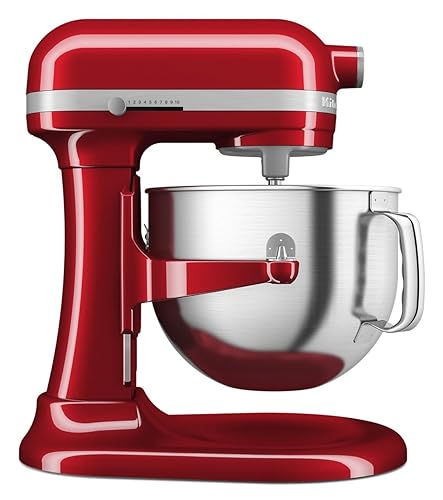
If you purchase any of the products through these affiliate links, I get a few pennies that help keep The Good Plate open. I use these products myself and want you to be able to easily find them.

Ask the Cooking Genie
Have a question about this recipe that isn't answered in the post? The Cooking Genie is at your service. The Genie knows this recipe well, but even genies slip up now and then — please use your own good judgment in the kitchen. Per genie union rules, the Genie may grant three questions per visit. For anything beyond this recipe, please use the contact form.
Ingredients
- 4 tablespoons (3.94 tablespoons) unsalted butter
- 1 tablespoon (0.99 tablespoon) vegetable oil, sunflower or peanut would be great
- 3 tablespoons (2.96 tablespoons) pure cane sugar
- 1/8 teaspoon (0.12 teaspoon) sea salt
- 1 1/2 cups (187.5 g) *flour
- 2 tablespoons (1.97 tablespoons) whole milk
Instructions
- 4 tablespoons (3.94 tablespoons) unsalted butter, 1 tablespoon (0.99 tablespoon) vegetable oil, 3 tablespoons (2.96 tablespoons) pure cane sugar, 1/8 teaspoon (0.12 teaspoon) sea saltIn a heavy saucepan, melt the butter, oil, sugar, and salt.
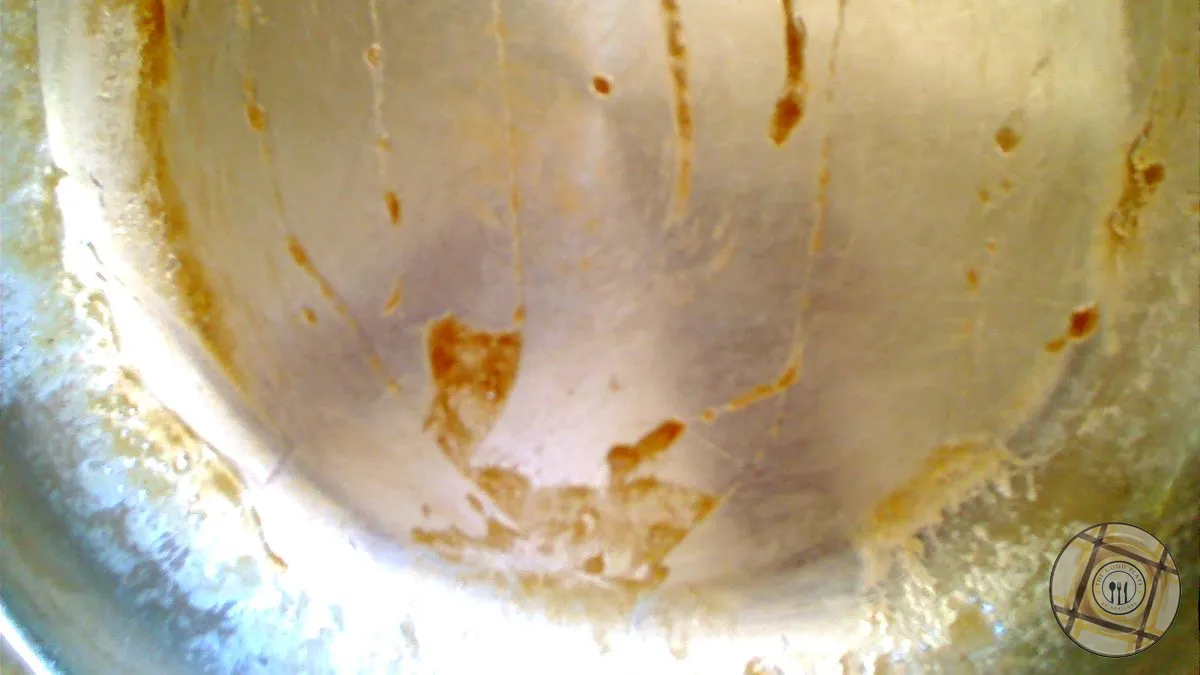
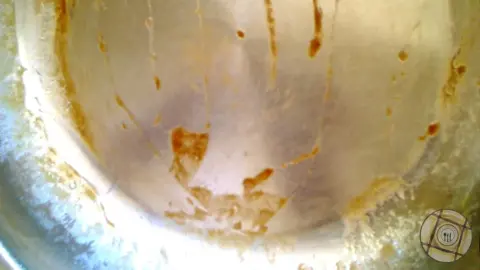
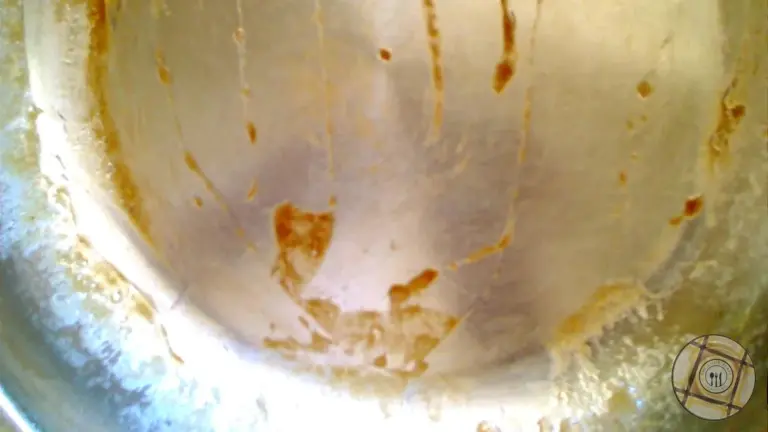
- Be careful when the mixture starts to boil that it does not burn. Let it caramelize, but don't let it get too dark. Remember that even after you take it off the heat, it will continue to cook. The picture below shows the approximate color, after cooking. I did not want to take a picture while it was cooking because I thought it might be a little dangerous.
- Caramel color just right!
- Have ready a metal or heatproof bowl in a stand mixer.
- 1 1/2 cups (187.5 g) flourPut the flour into the bowl, and carefully pour the butter mixture over the flour.
- 2 tablespoons (1.97 tablespoons) whole milkThis is where you have to get a little creative. Add as much milk as necessary to make a ball, or add more flour if needed
- Using the paddle attachment, mix the dough together until it forms a nice ball.
- By using a stand mixer, the dough should be cool enough to handle.
- Preheat the oven to 400 °F (204 °C) degrees.
- Have ready a tart mold with a removable bottom.
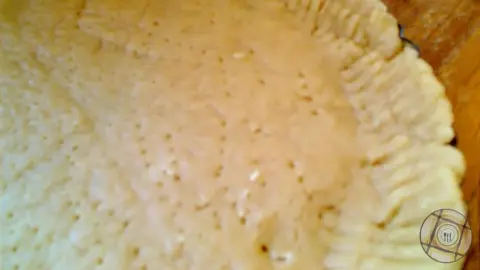
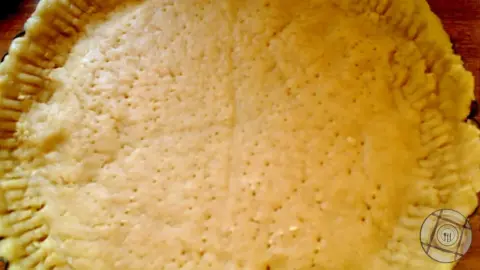
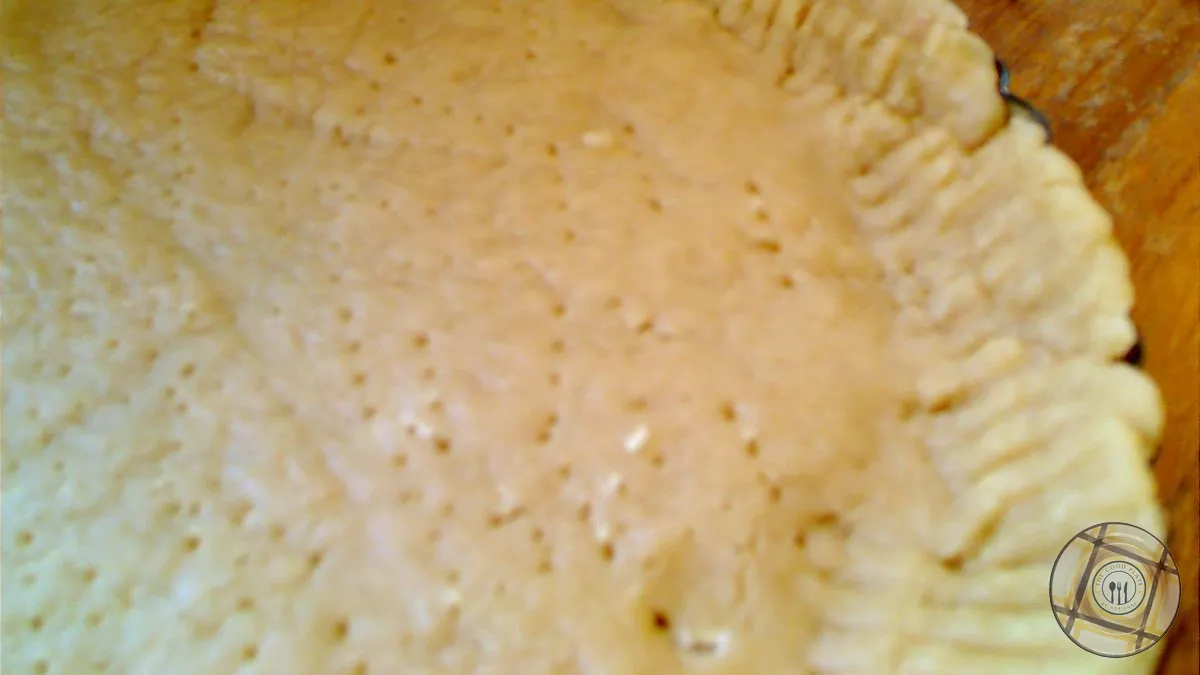
- While the oven is heating up, use the heel of your hand to move the dough all the way and up on the edges. Use a fork to reinforce the dough on the sides.
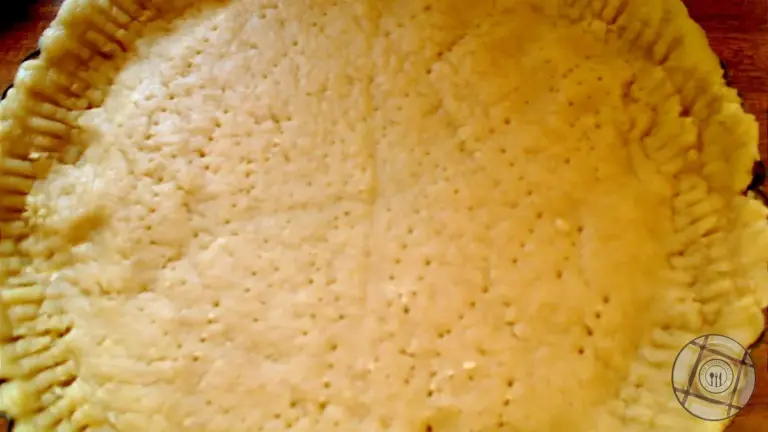
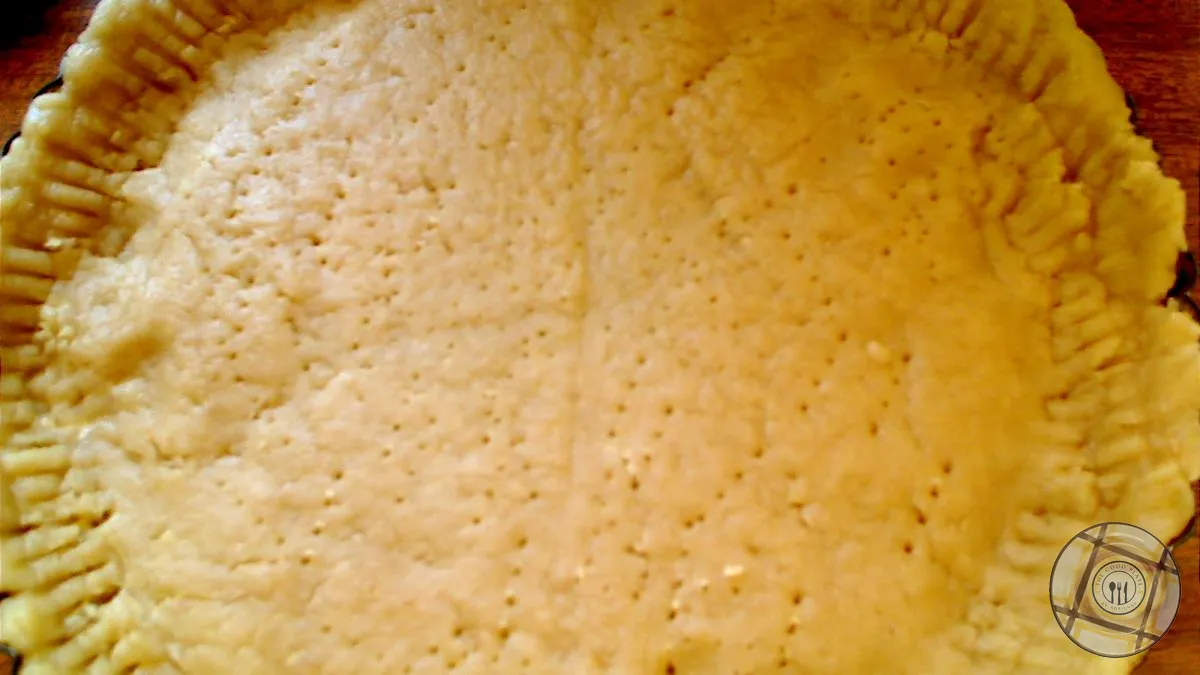
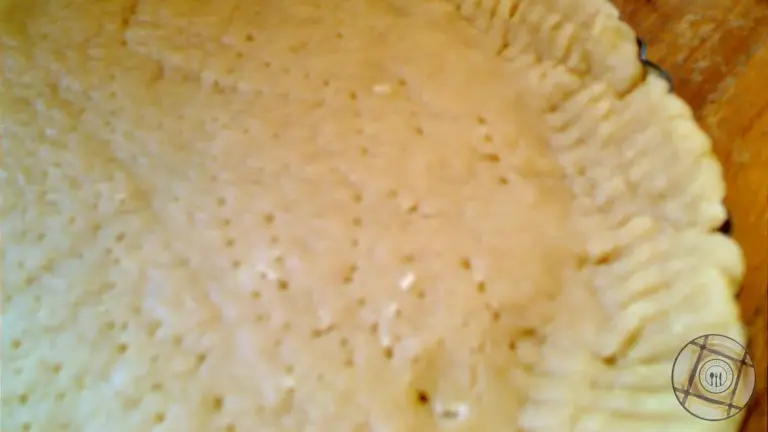
- Prick the dough with a fork at least 10 times all over the bottom of the crust. There is no need for blind baking.
- Shell ready for the oven
- Bake the tart shell in the oven for about 15 minutes, or until the crust is golden brown.
- Finished tart shell