Summary
This recipe coats a trimmed boneless half pork loin in a deeply flavored blend of chipotle pepper, New Mexico chile, cayenne, cumin, and crystallized lime, then uses the reverse sear method to cook it to perfect juicy doneness.
What's on Your Plate
Chile-crusted pork roast is done using the Reverse Sear method meaning the roast has time to absorb the rub and does not dry out. The crust does the flavor work. The method does everything else.
I remember as a child hating roast pork because it was so dried out and overcooked it was somewhere between cardboard and sandpaper. Then the USDA said that pork did not have to be cooked to 165, it could go to 145. Well, that's still a dried out paperweight on your plate instead of a meal. But, that is not a pork problem. That is a technique problem.
Most people roast pork at a relatively high temperature and that leads to the meat seizing and toughening while the outside gets cooked before the inside and you're left with a dried hunk. Beef has a similar problem and the solution is doing a reverse sear. Reverse sear means that the food is cooked slowly at low heat, avoiding seizure and allowing time for the muscle fiber to soften and heat evenly, very much like the sous vide method. Once the meat has reached the optimal temperature, it is seared on a hot grill and then rests so residual heat can finish the cooking.
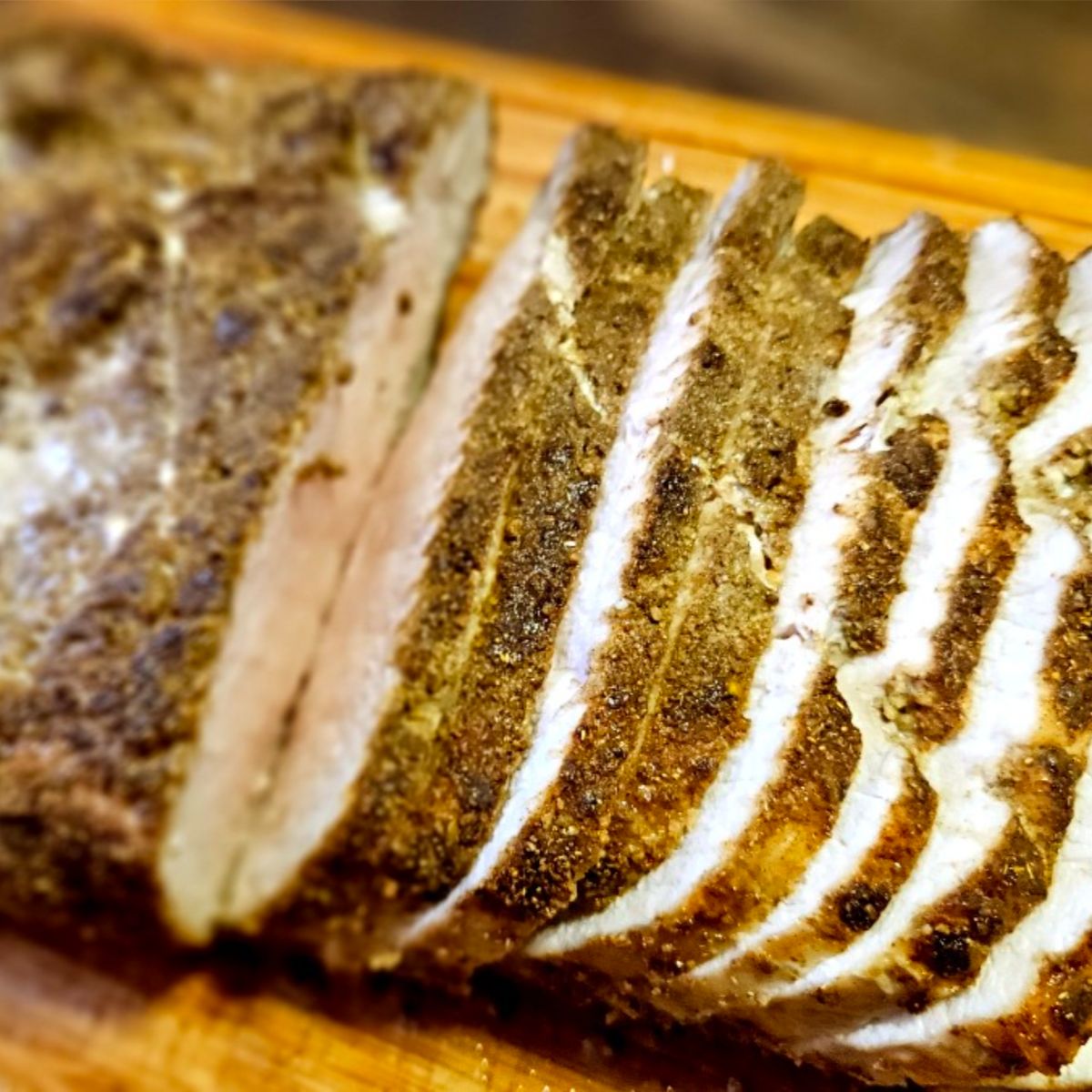
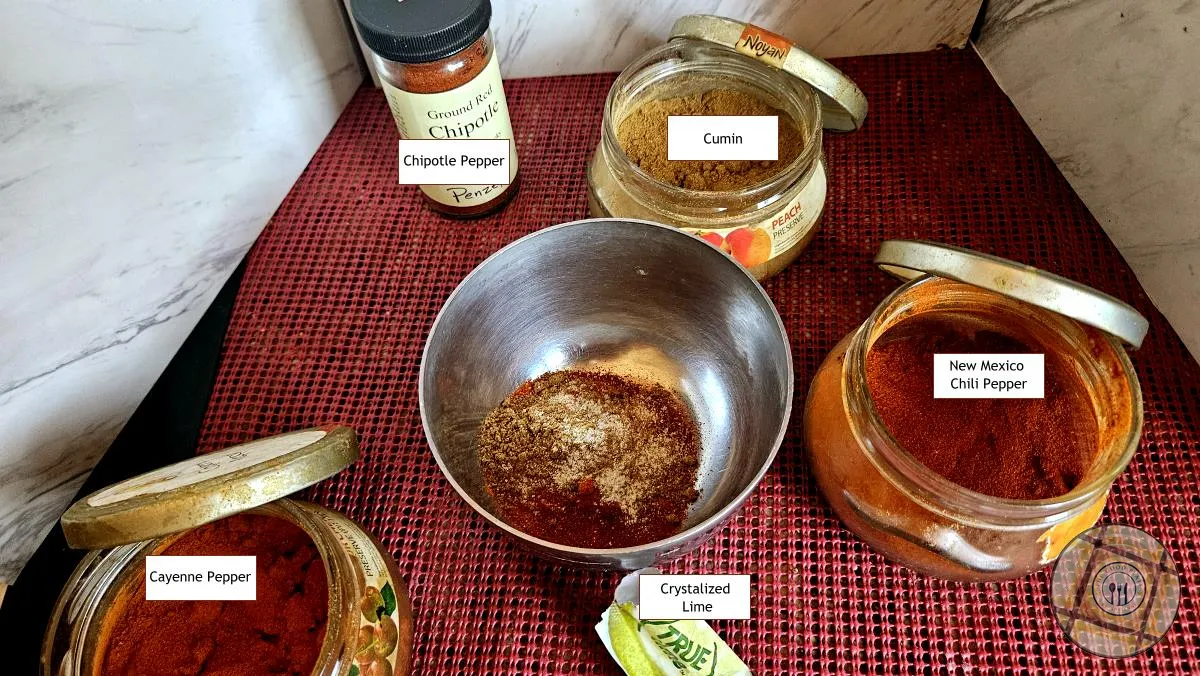
This chile-crusted pork roast is a good example of the technique. A generous rub of chipotle, New Mexico chile, cayenne, cumin, and crystallized lime seasons the exterior deeply before the roast ever sees heat. The slow phase handles the interior. The fast phase handles the crust. Neither one tries to do both, and that is exactly why this works so consistently.
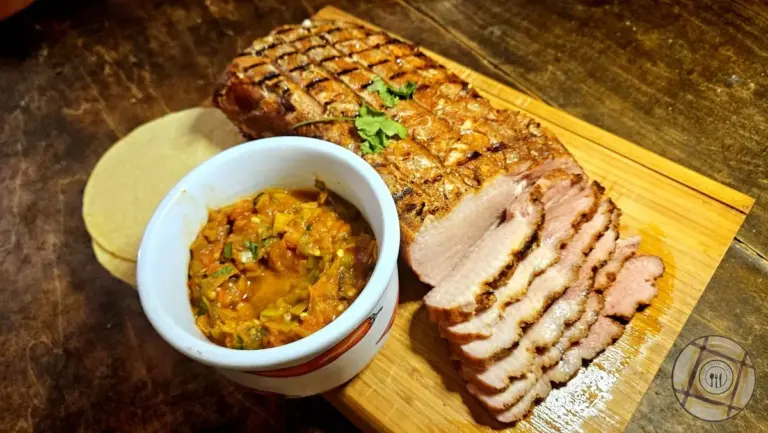
Serve it alongside the Savory Roasted Salsa and Leek Jam and warm corn tortillas and you have a plate that is significantly more than the sum of its parts.
About the Ingredients
The boneless pork loin is the workhorse of the pork counter — widely available, budget-friendly, and enormously forgiving of good technique. The half loin, trimmed of excess fat, has a uniform shape that makes it ideal for even cooking. That uniformity is one of the reasons it responds so well to the reverse sear: there are no thick ends and thin ends to overcook unevenly, just a consistent mass that takes heat at a predictable rate.
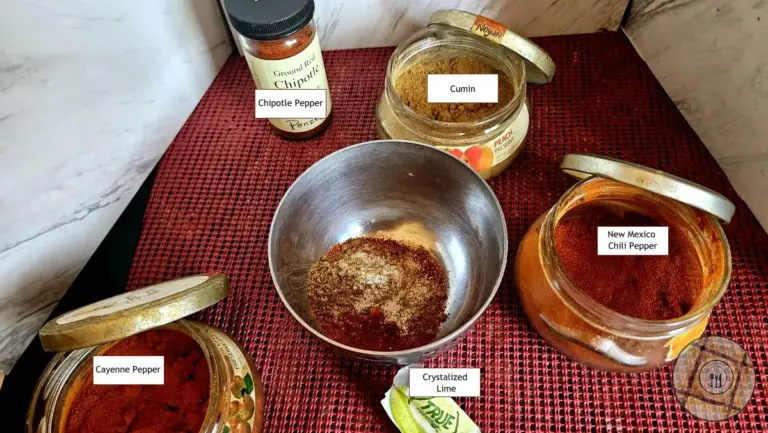
The chile crust draws on a layered approach to dried chile flavor. Chipotle brings smokiness and moderate heat from the dried and smoked jalapeño. New Mexico chile is fruity, earthy, and relatively mild — it adds color and depth without overwhelming the other components. Cayenne is pure clean heat, used sparingly to brighten the blend. Cumin brings warmth and a slight bitterness that anchors the other spices and ties them together. And crystallized lime — *True Lime — adds a bright, tart citrus note that cuts through the richness of the pork and lifts the whole crust. It is an unusual addition to a dry rub, but it does work that fresh lime juice cannot: it stays on the surface during the slow cook rather than running off, and it caramelizes with the other spices during the sear into something genuinely complex.
Now, you might be thinking that the can or jar of chipotle at the grocery store is going to be fine - not in this instance. Yes, there are different grades of chiles and the best we have ever found are the chiles at Penzey's. Since chipotle is a major spice in this dish, I suggest getting the best!
Why Chile-Crusted Pork Roast works
The temperature chain is what makes this method precise rather than approximate. The probe is set to 127°F (53°C), which pulls the roast from the oven before it reaches the USDA safe temperature of 145°F (63°C). That is intentional. The cast iron grill at 500°F (260°C) sears each side for 30 seconds — long enough to build the chile crust and drive the exterior temperature up, not long enough to penetrate the interior. Then the roast rests. During that rest, residual heat from the sear carries the exterior up to 145°F (63°C) while the interior stabilizes at approximately 135°F (57°C). That 135°F (57°C) interior is the sweet spot — juicy, slightly pink, tender, and completely safe to eat. The three steps work as a system. Pull at 127°F (53°C), sear at 500°F (260°C) for 30 seconds per side, rest fully. Each number depends on the others.
The chile crust also benefits from the slow phase in a way that a quick pre-sear seasoning never achieves. Rubbed on before the low oven, it has the entire 90-minute cook to adhere to and penetrate the surface. By the time the grill heat hits it, it is already embedded — it caramelizes rather than chars, builds rather than burns.
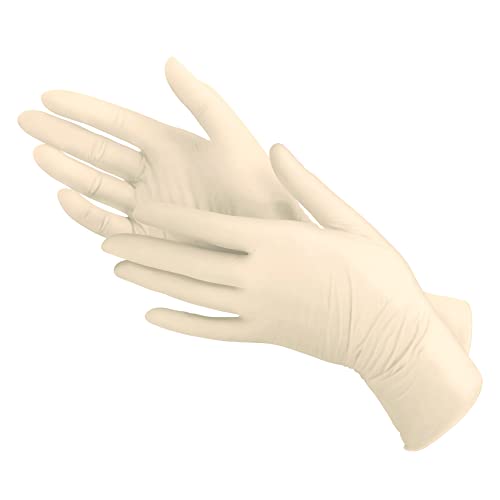
Wearing gloves when applying the rub is not optional. Chipotle and cayenne will remind you of this if you forget.
Common Mistakes and Gotchas
A list of common mistakes and Gotchas
- Wear gloves when applying the rub. Chipotle and cayenne are not forgiving if you touch your face.
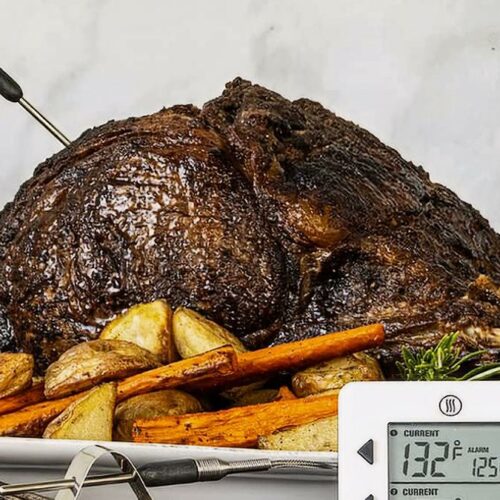
- Do not skip the probe. The entire precision of this method depends on knowing exactly when to pull the roast from the oven. Guessing is how you end up with dry pork.
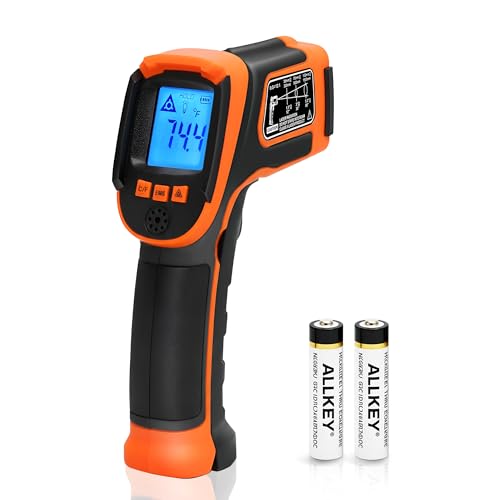
- The cast iron grill must be genuinely hot — at least 500°F (260°C). An infrared thermometer takes the guesswork out of this. If the pan is not hot enough, the roast will steam rather than sear and you will lose the crust the whole recipe was built around.
- Rest the roast for at least five minutes after the sear before slicing. Carryover heat needs time to finish its work and the juices need time to redistribute.
Serving and Storage
Serving
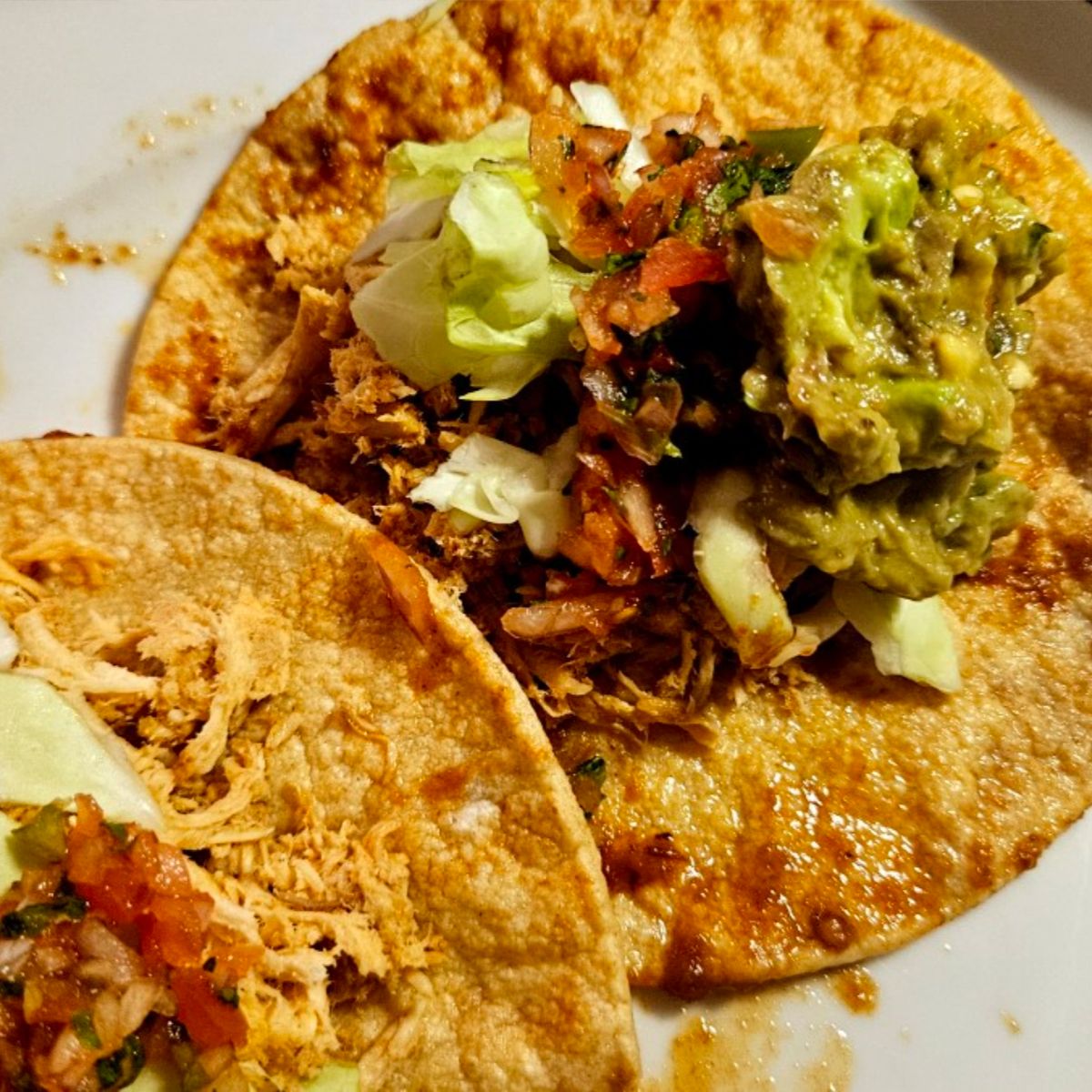
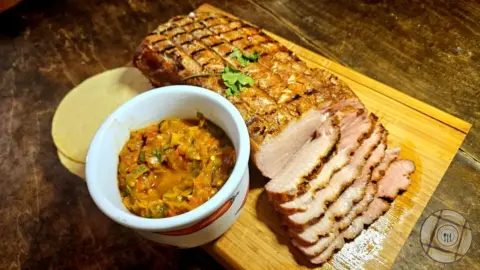
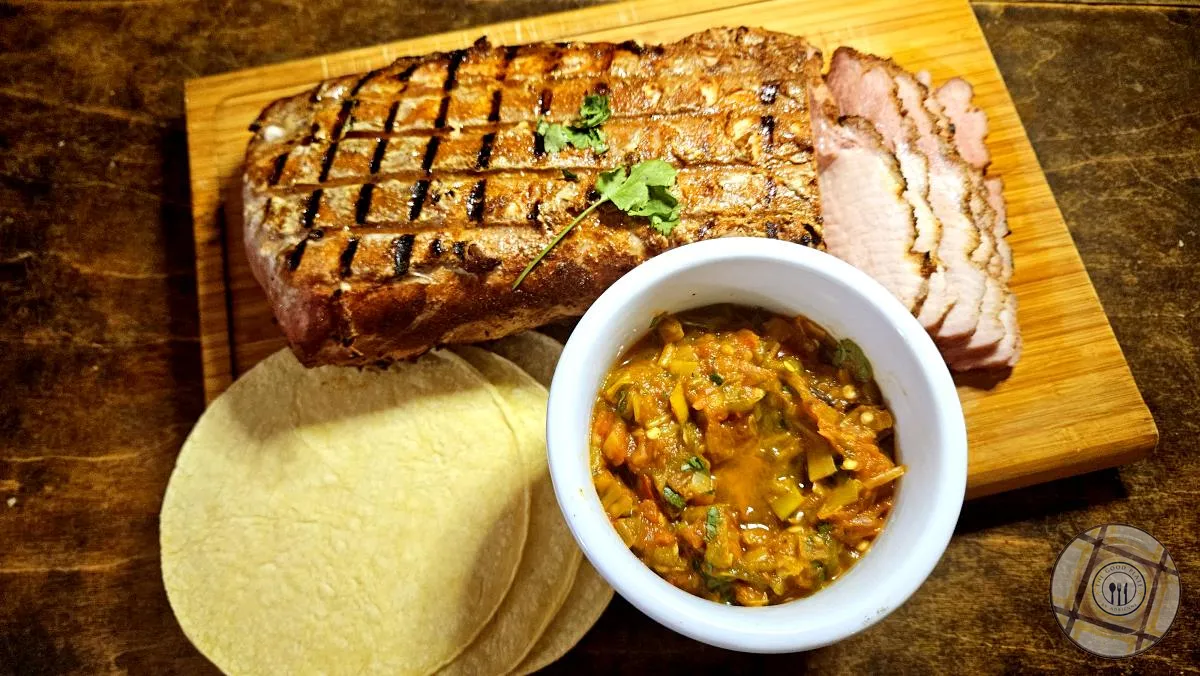
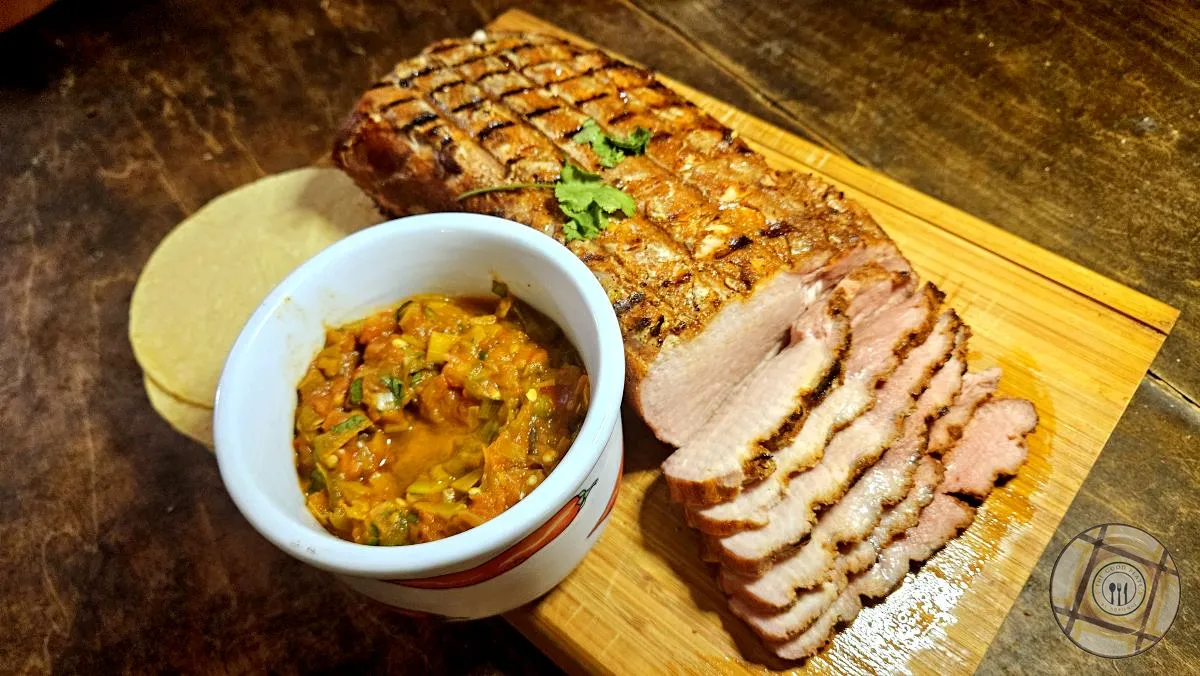
Serve with the Savory Roasted Salsa and Leek Jam and warm corn tortillas. The tortillas are the vehicle — thin slices of pork, a spoonful of salsa, folded and eaten immediately is the correct approach. The chile notes in the crust and the roasted chile notes in the salsa create a through-line of flavor that makes the whole plate coherent. Thicker slices work equally well for a more formal plated presentation.
Storing
Refrigerate leftover slices in an airtight container for up to four days. Cold sliced pork loin makes an exceptional sandwich and does not need to be reheated. If reheating is necessary, a low oven at 275°F (135°C) covered with foil until just warmed through will do the least damage to the texture.
FAQ
Why set the probe to 127°F (53°C) if pork needs to reach 145°F (63°C)?
Because the reverse sear has two more heat events after the oven — the 500°F (260°C) sear and the rest. The sear drives the exterior temperature up significantly in 30 seconds per side. The rest then allows residual heat to redistribute, bringing the exterior to 145°F (63°C) while the interior stabilizes at approximately 135°F (57°C). That interior temperature is the sweet spot for pork loin — juicy, slightly pink, and tender. If you pull at 145°F (63°C), the exterior will be well past that by the time the plate reaches the table.
What is True Lime and can I substitute fresh lime?
*True Lime is a crystallized lime product that behaves like a dry ingredient — it stays on the surface of the roast during the slow cook and caramelizes with the other spices during the sear. Fresh lime juice will run off during cooking and will not produce the same result. If True Lime is unavailable, dried lime zest is the closest substitute.
Can I use a regular skillet instead of a cast iron grill pan?
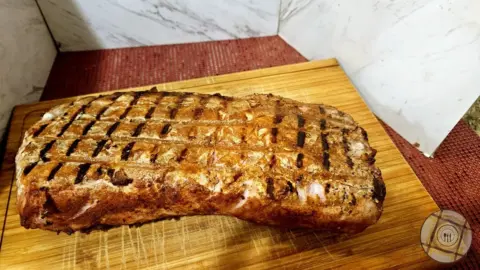
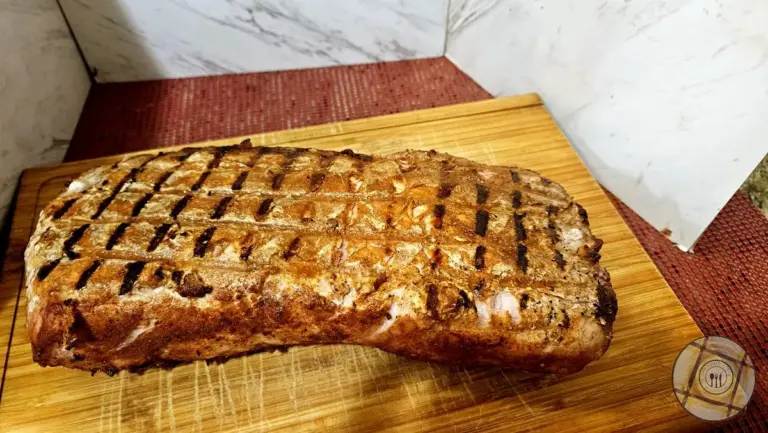
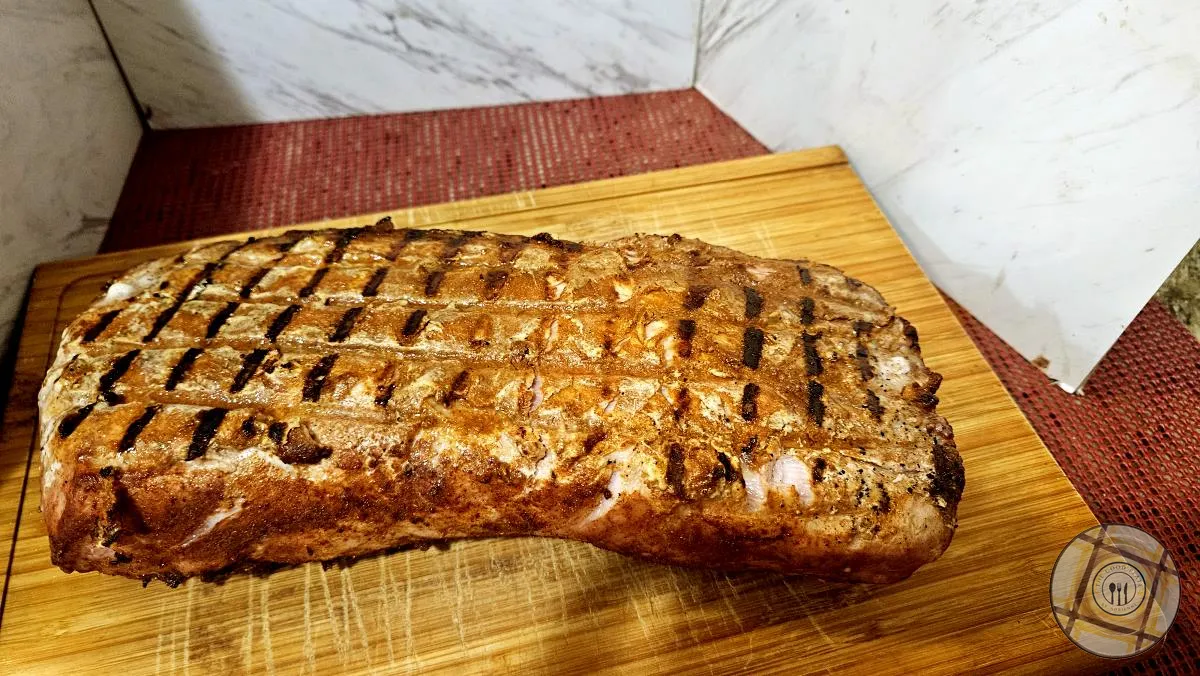
A flat cast iron skillet works well and will produce an even sear across the entire surface. The grill pan produces the crosshatch marks visible in these photos because it maximizes contact between the raised ridges and the meat. Either produces the crust — the grill pan just makes it look like a steakhouse did it.
We do not recommend stainless steel or non-stick. Neither gets hot enough to sustain the temperature needed. If you have an outdoor grill, you are more than welcome to use that instead, just make sure it is very, very hot.
Can I do the slow phase ahead of time?
Yes. Complete the low oven phase, rest the roast partially, and refrigerate before the sear. Pull it about an hour before serving to take the chill off and sear to order. This is a practical dinner party technique — the slow work is done hours ahead and the sear takes under five minutes.
What if my probe does not have an alarm?
Check the internal temperature manually every 20 minutes after the first hour. A probe with an alarm is strongly recommended for this technique — it is the tool that makes the method hands-off. The *ThermoWorks Dot is the one used here and is worth the investment.
Step by Step Photos
Chile-Crusted Pork Roast Recipe
Email Me the Recipe
Enter your email address and we will send it straight to your inbox.
Chile-Crusted Pork Roast Reverse Sear Method
Tips from the Chef
Equipment

If you purchase any of the products through these affiliate links, I get a few pennies that help keep The Good Plate open. I use these products myself and want you to be able to easily find them.

Ask the Cooking Genie
Have a question about this recipe that isn't answered in the post? The Cooking Genie is at your service. The Genie knows this recipe well, but even genies slip up now and then — please use your own good judgment in the kitchen. Per genie union rules, the Genie may grant three questions per visit. For anything beyond this recipe, please use the contact form.
Ingredients
- 2 pounds (907.18 g) Pork roast, half loin trimmed
- 2 tablespoon (1.97 tablespoon) Chipotle pepper
- 1 teaspoon (0.99 teaspoon) Cayenne
- 2 tablespoon (1.97 tablespoon) New Mexico Chili
- 1 tablespoon (0.99 tablespoon) Cumin
- 1 teaspoon (0.99 teaspoon) True Lime
- Roasted Salsa and Leek Jam
- Corn Tortillas
Instructions
- Gather Ingredients
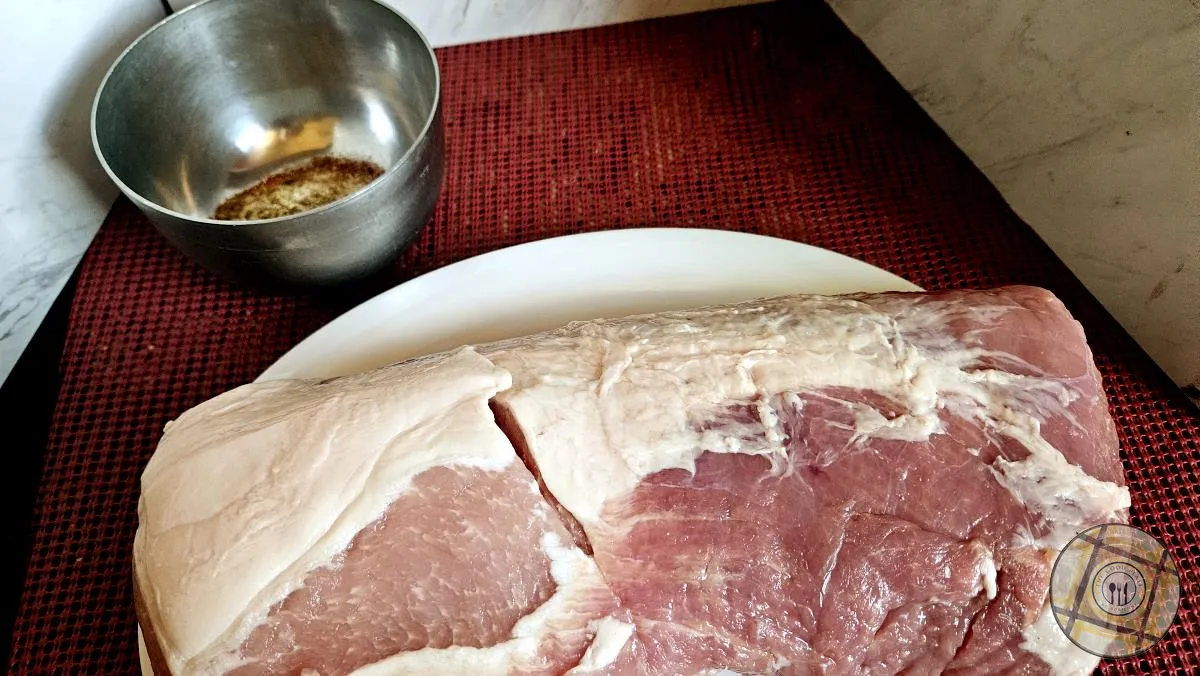
- 2 pounds (907.18 g) Pork roastTrim the roast of as much fat as possible.
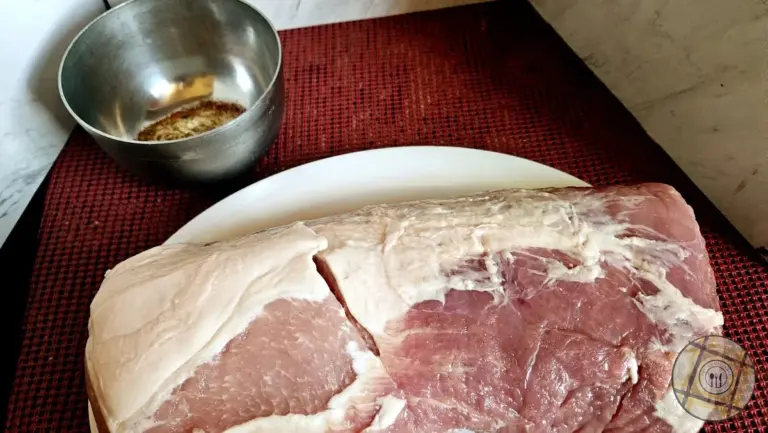
- 2 tablespoon (1.97 tablespoon) Chipotle pepper, 1 teaspoon (0.99 teaspoon) Cayenne, 2 tablespoon (1.97 tablespoon) New Mexico Chili, 1 tablespoon (0.99 tablespoon) Cumin, 1 teaspoon (0.99 teaspoon) True LimeMix the dry ingredients together.
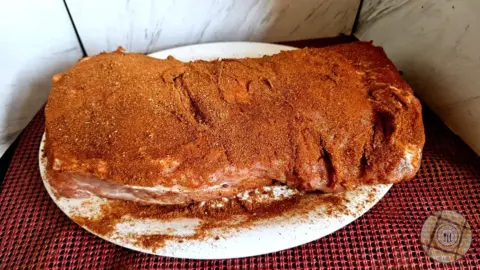
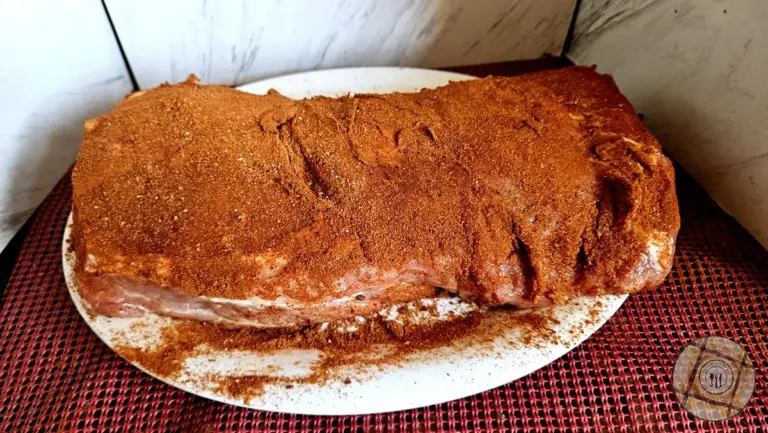
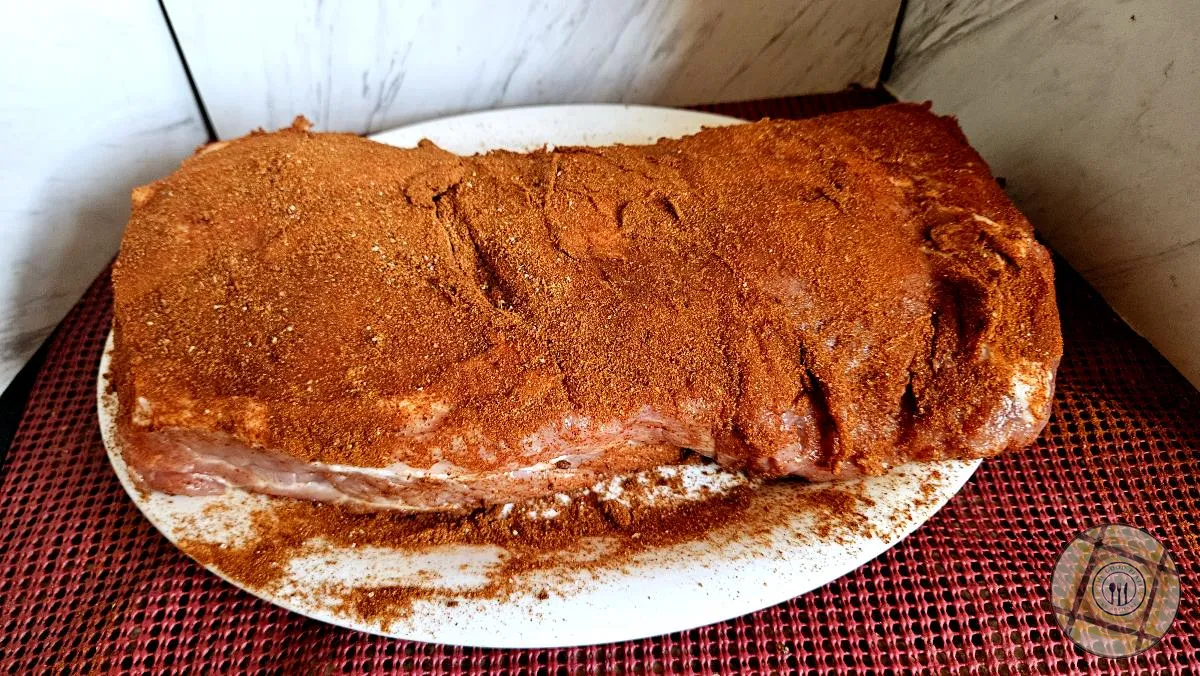
- Put on gloves and generously rub the spice into the flesh on all sides of the roast.
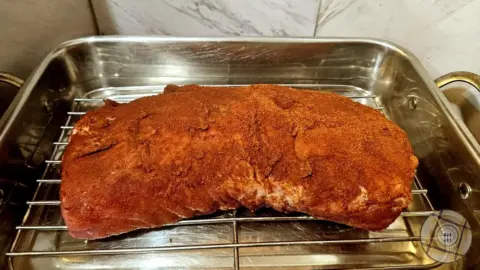
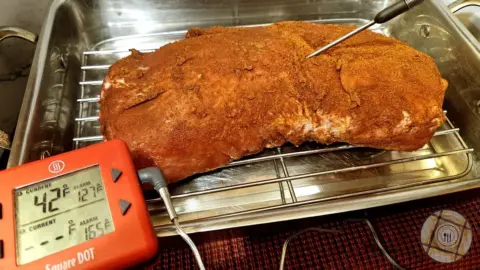
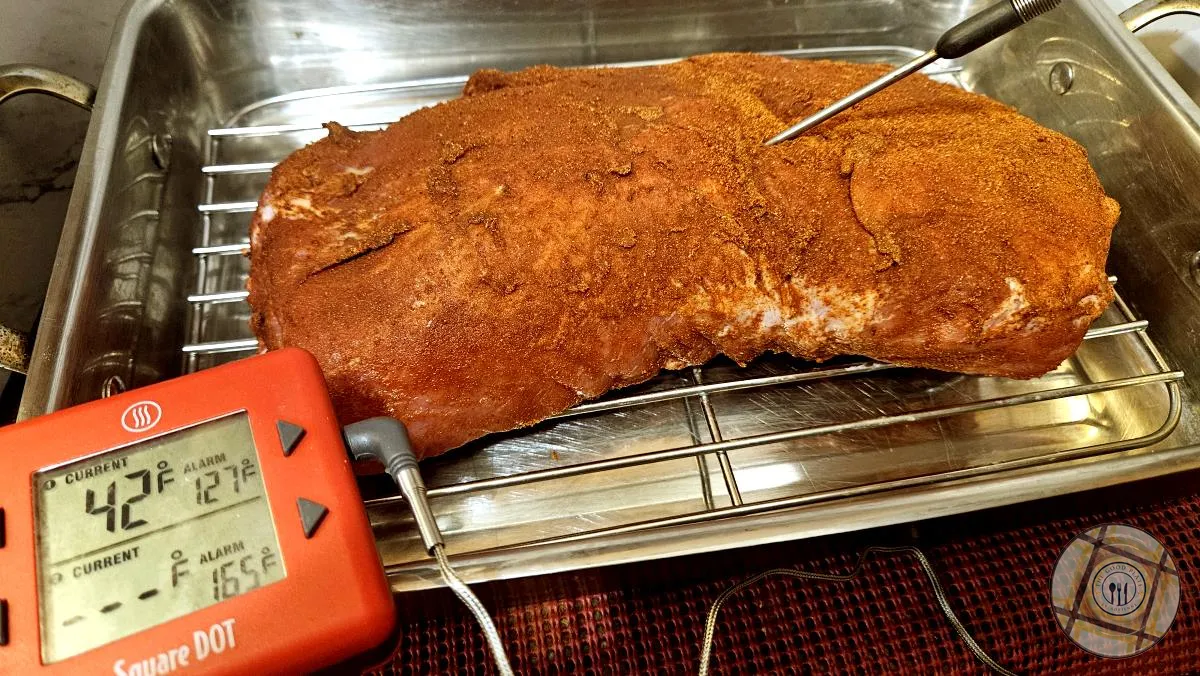
- Put the roast on the rack of the roasting pan. Put the probe thermometer in.
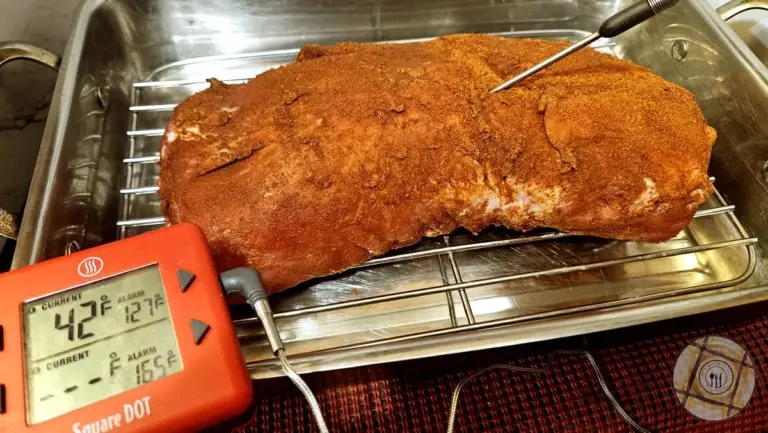
- Heat the oven to 225 °F (107 °C) and put the roast in.
- Set the probe for 127 °F (53 °C) and roast the pork until it reaches that temperature, about 2 hours at 30 minutes per pound or 60 minutes per kg. Make sure the probe reaches 127 °F (53 °C) and does not go past 130 °F (54 °C).
- Remove the roast from the oven.
- Heat a cast iron grill to at least 500 °F (260 °C). Sear the roast on each side for about 30-60 seconds per side,
- Let the roast rest for about 5 minutes off the heat then transfer it to a platter.
- Roasted Salsa and Leek Jam, Corn TortillasServe with corn tortillas and Roasted Salsa and Leek Jam.
Nutrition
Transcript of Chile-Crusted Pork Roast
Transcript
Good afternoon and welcome to the Good Plate's Kitchen.
Today we're making chili crusted roasted pork using the reverse sear method.
Let's talk about the chili crust first.
It's a mixture of chipotle pepper, cumin, cayenne pepper, New Mexico pepper,
and crystallized lime.
I used a boneless half loin and trimmed the fat.
Then the seasoning was generously rubbed on the whole roast.
I used a thermometer probe to make sure the temperature was correct.
Let's talk about that reverse sear for a moment.
The problem with the traditional method of roasting pork is that by the time the
center of the pork is cooked, the outside is dried out.
Using this slow method means the meat cooks evenly and stays moist and tender.
It's important to use a probe thermometer, like the Square Dot.
You put in the probe, but the food in the oven, set the desired temperature and
walk away.
The thermometer will alert you when it's ready.
Work should be cooked to 145 F, 63 C.
I usually set mine for five degrees below because the residual
heat will continue to cook plus the meat is charred on a grill.
So that completes and cooks it.
I have an infrared thermometer, so I know when my cast iron grill,
as reached at least 500 F, 260 C.
My cast iron grill leaves grill marks, and I
sear for about 30 to 45 seconds on each side.
Then I set the roast aside to rest.
Put the roast on a nice platter, put the roasted salsa and leek jam,
and the tortillas.
Thank you for joining me.
And remember, ever forward, ever flavorful. Yum, yum!