Summary
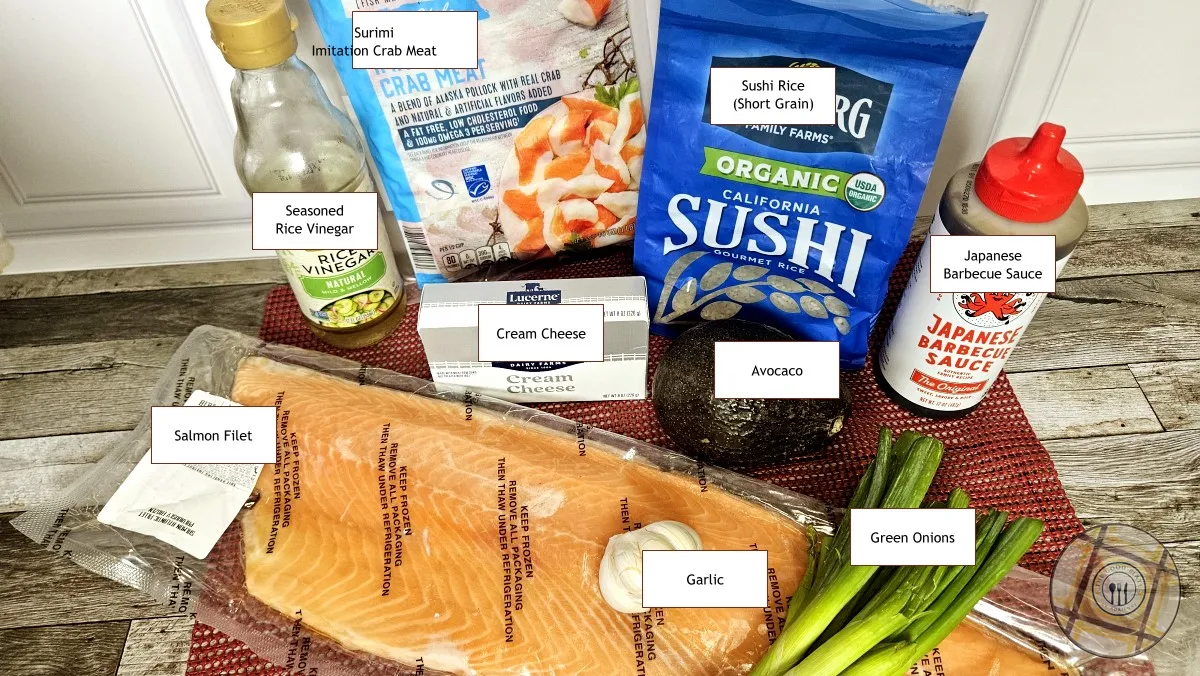
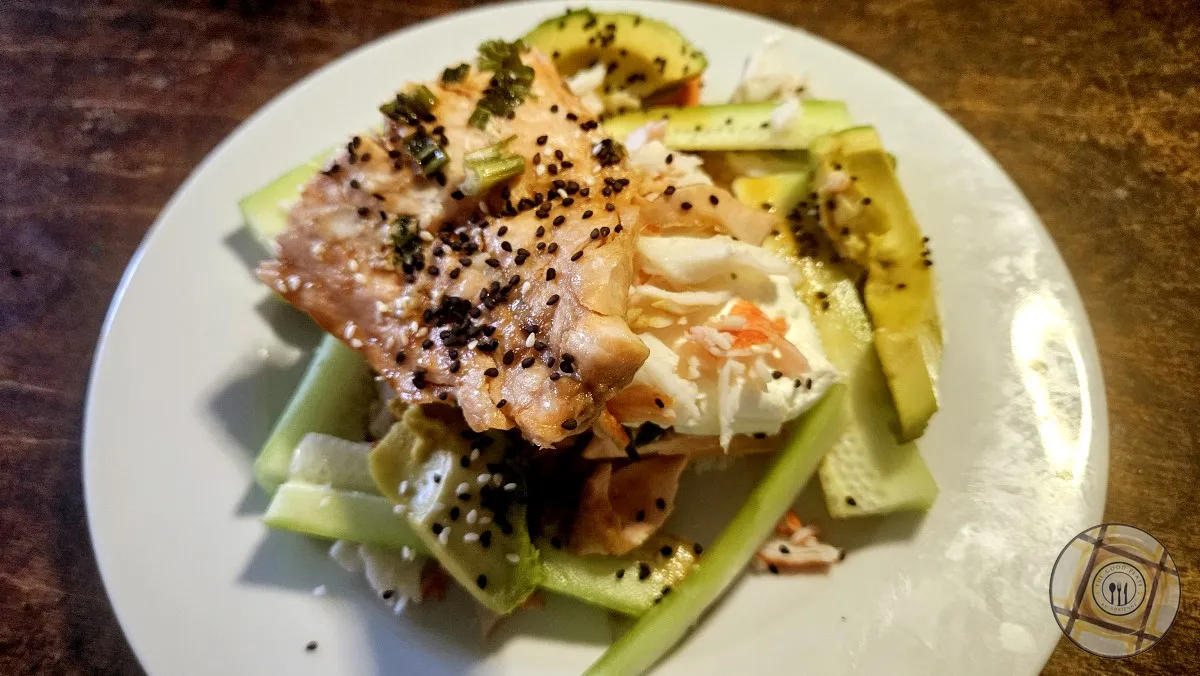
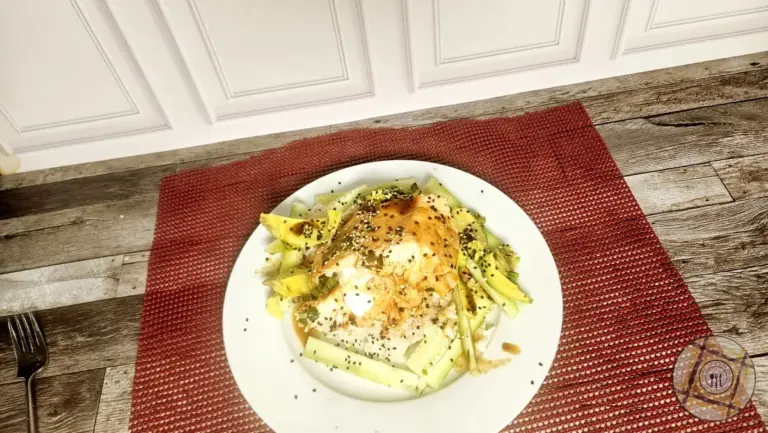
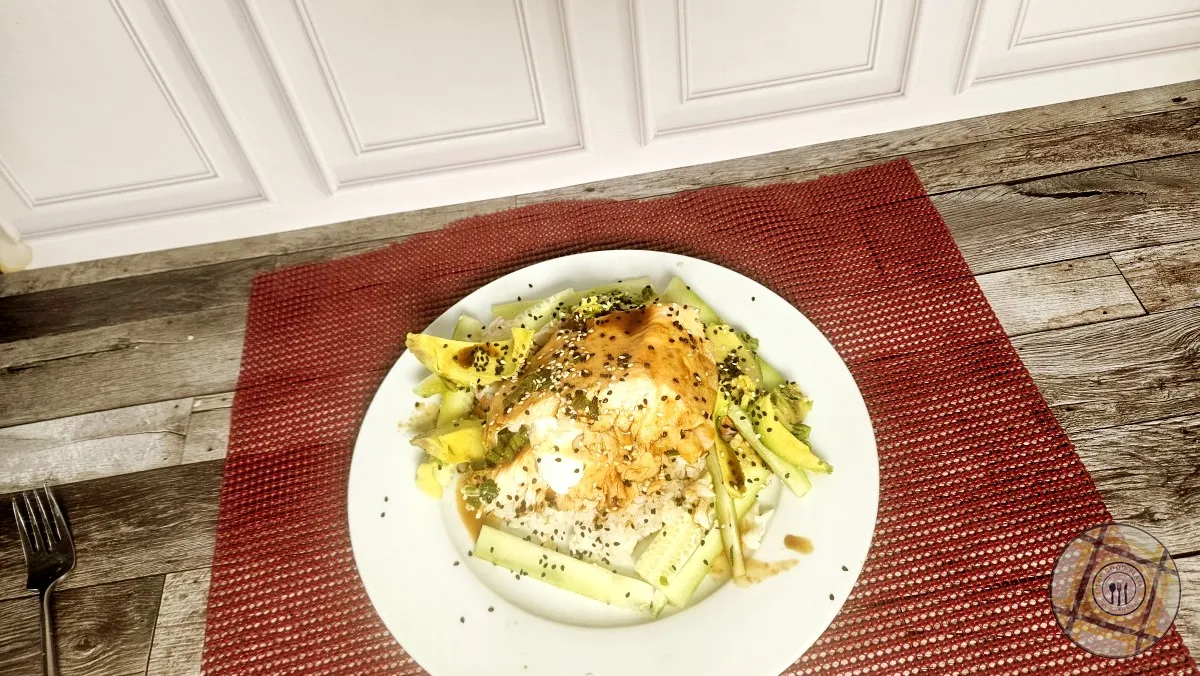
This dish is built as a loose, layered stack by design, taking the components of a baked salmon sushi roll and presenting them exactly as they're meant to be eaten. Sushi rice forms the base; baked salmon sits on top; cream cheese, imitation crab, and avocado fill in around the layers.
What's on Your Plate
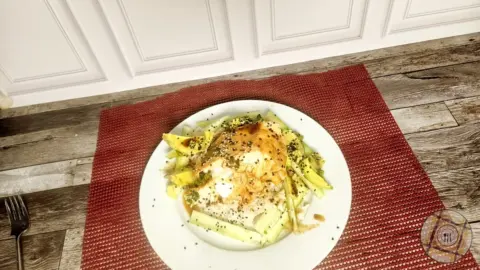
Baked salmon sushi stack is a deconstructed Philadelphia roll. It's salmon baked in a foil packet to stay moist, while sushi rice cooks easily in the Instant Pot. Layer the rice with cream cheese, cucumber, imitation crab, avocado, and the baked salmon directly on the plate.
Step by Step Photos
Baked Salmon Sushi Stack Recipe
Email Me the Recipe
Enter your email address and we will send it straight to your inbox.
Baked Salmon Sushi Stack


If you purchase any of the products through these affiliate links, I get a few pennies that help keep The Good Plate open. I use these products myself and want you to be able to easily find them.

Ask the Cooking Genie
Have a question about this recipe that isn't answered in the post? The Cooking Genie is at your service. The Genie knows this recipe well, but even genies slip up now and then — please use your own good judgment in the kitchen. Per genie union rules, the Genie may grant three questions per visit. For anything beyond this recipe, please use the contact form.
Ingredients
~~ Rice ~~
- 2 cups (370 g) sushi rice
- 2 cups (473.18 ml) water
- 1/4 cup (59.15 ml) seasoned rice vinegar
~~ Salmon ~~
- 16 ounce (453.59 g) Salmon fillet
- 1/4 cup (25 g) green onion, chopped
- 2 clove (2 clove) garlic, chopped
- 1/2 teaspoon (0.49 teaspoon) ginger paste
~~ Assembly ~~
- 8 ounce imitation crab, surimi
- 4 ounce (113.4 g) cream cheese, softened
- 1 (1) cucumber, small, cut into matchsticks
- 1 (1) avocado, small cut into matchsticks
- 1 teaspoon (0.99 teaspoon) Sesame seeds, black for garnish
- 1 teaspoon (0.99 teaspoon) *Japanese BBQ Sauce, for garnish
Instructions
- Mise en Place
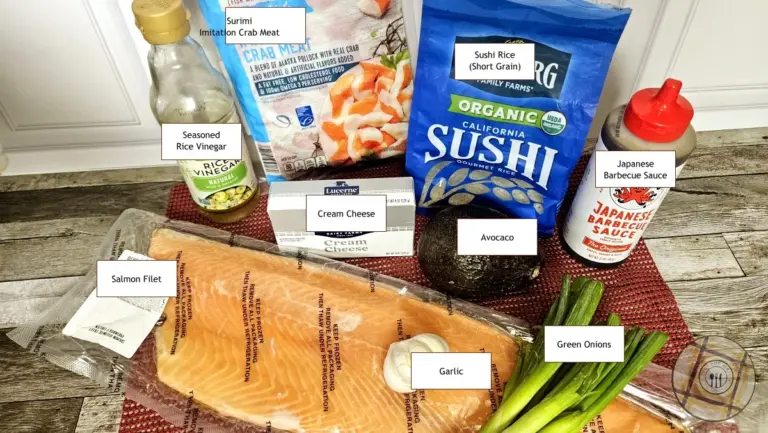
Rice
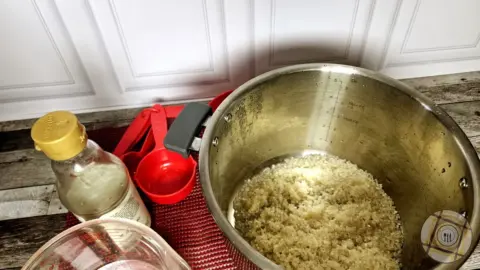
- 2 cups (370 g) sushi rice, 2 cups (473.18 ml) water, 1/4 cup (59.15 ml) seasoned rice vinegarRinse the rice under cold water until it runs clear. Put the rice, vinegar, and water in the Instant Pot and set it to 6 minutes on high, using slow release. When the rice is done, fluff it and put it in the refrigerator to cool.
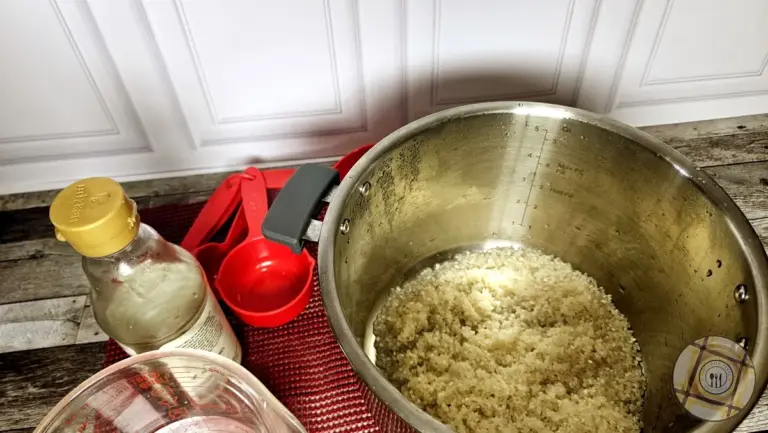
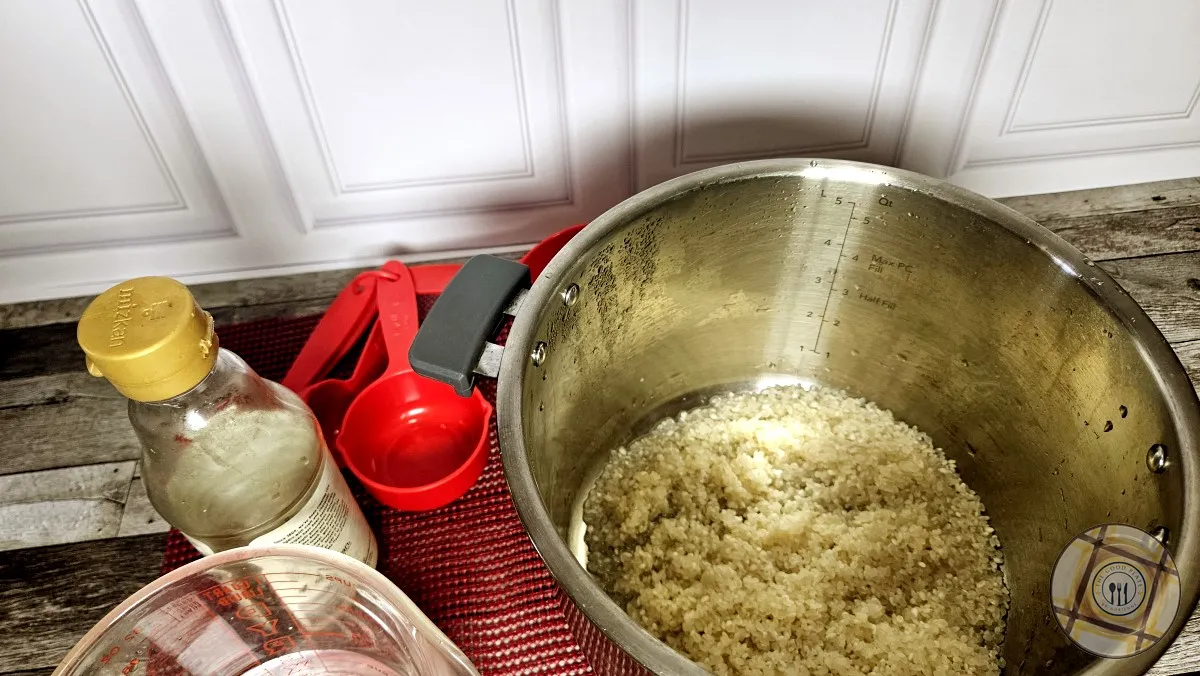
Salmon
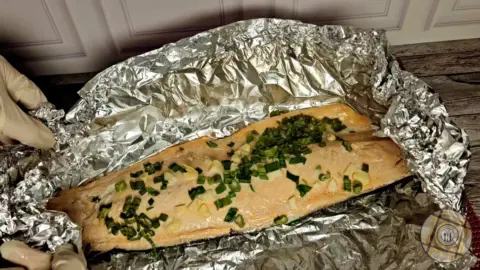
- 16 ounce (453.59 g) Salmon fillet, 1/4 cup (25 g) green onion, 2 clove garlic, 1/2 teaspoon (0.49 teaspoon) ginger pasteRemove any visible bones from the salmon. Put the salmon on a large piece of foil that will act as an envelope. Top with the ginger, garlic and green onion. Bring the sided up and close the foil into a package.
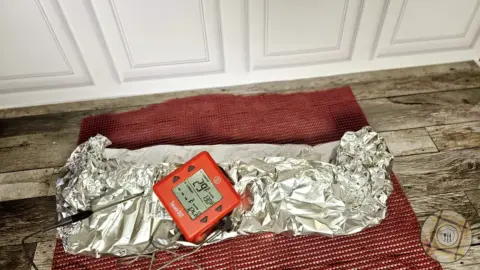
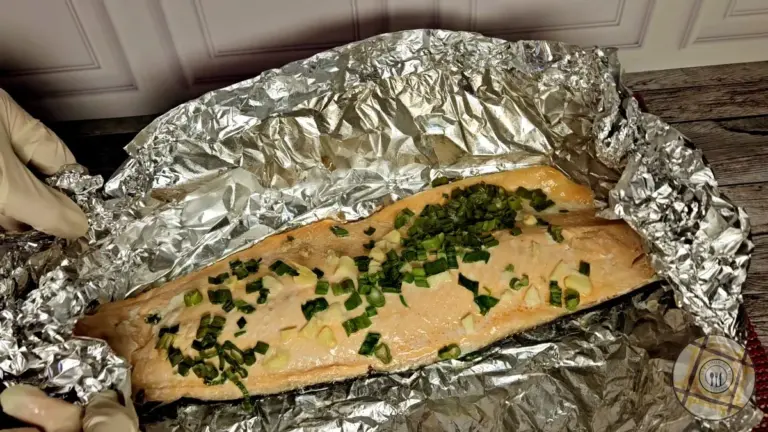
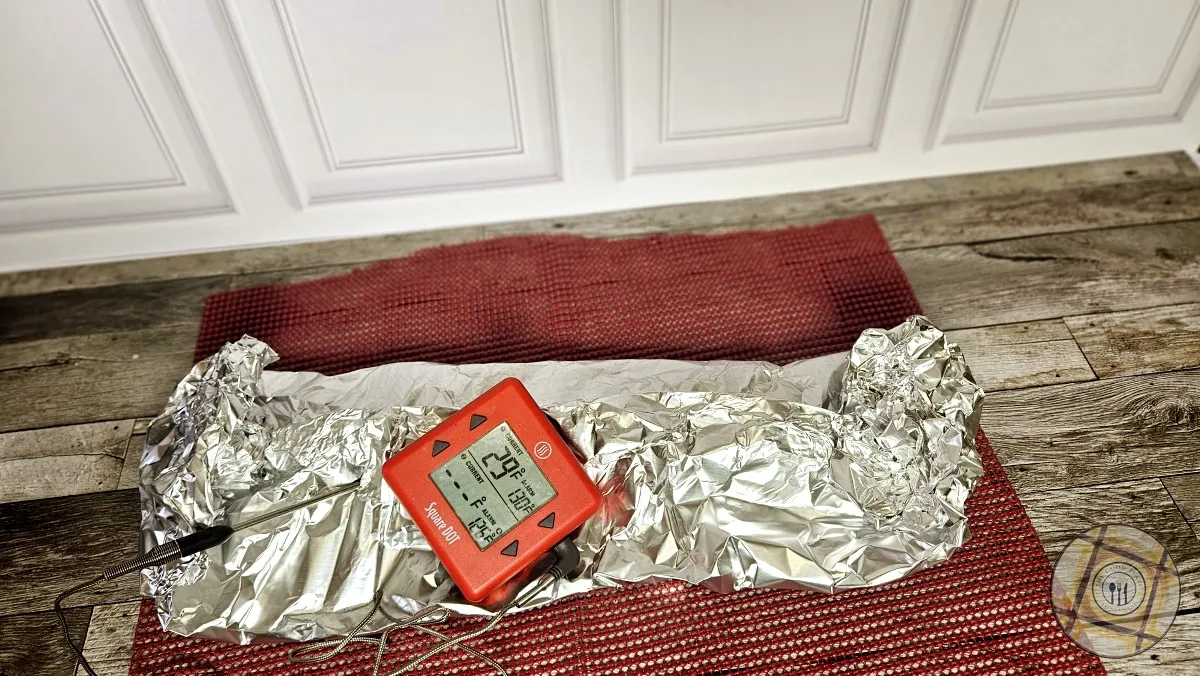
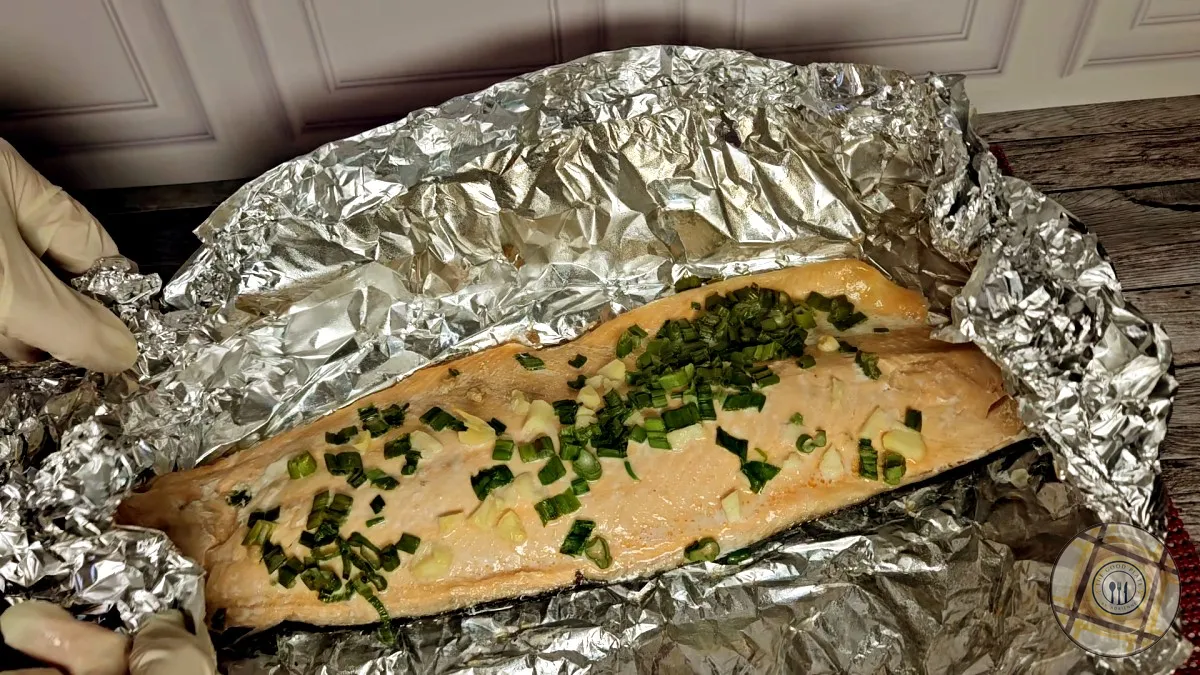
- Insert the probe thermometer and set the thermometer to 330 °F (166 °C). Bake the salmon in a 350 °F (177 °C) oven until it reaches 330 °F (166 °C), about 20 minutes. Remove the package from the oven and let it rest for at least 10 minutes. The residual heat will bring it completely to temperature.
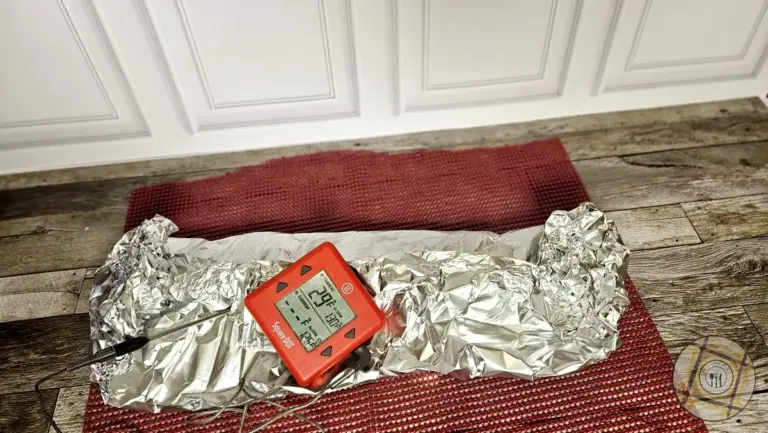
- Open the packet up and remove the salmon. Set the salmon in the refrigerator to cool..
Assembly
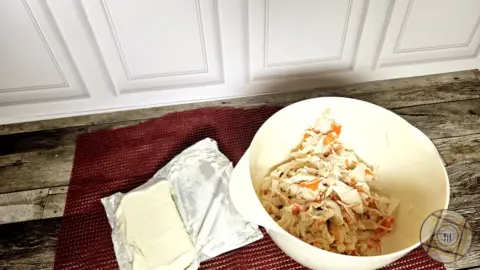
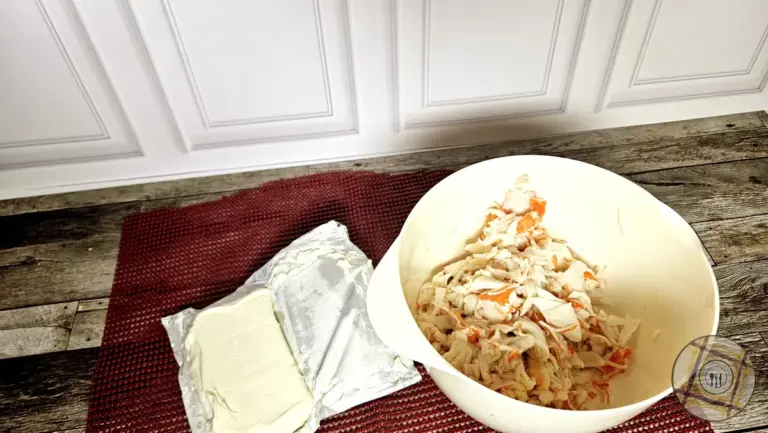
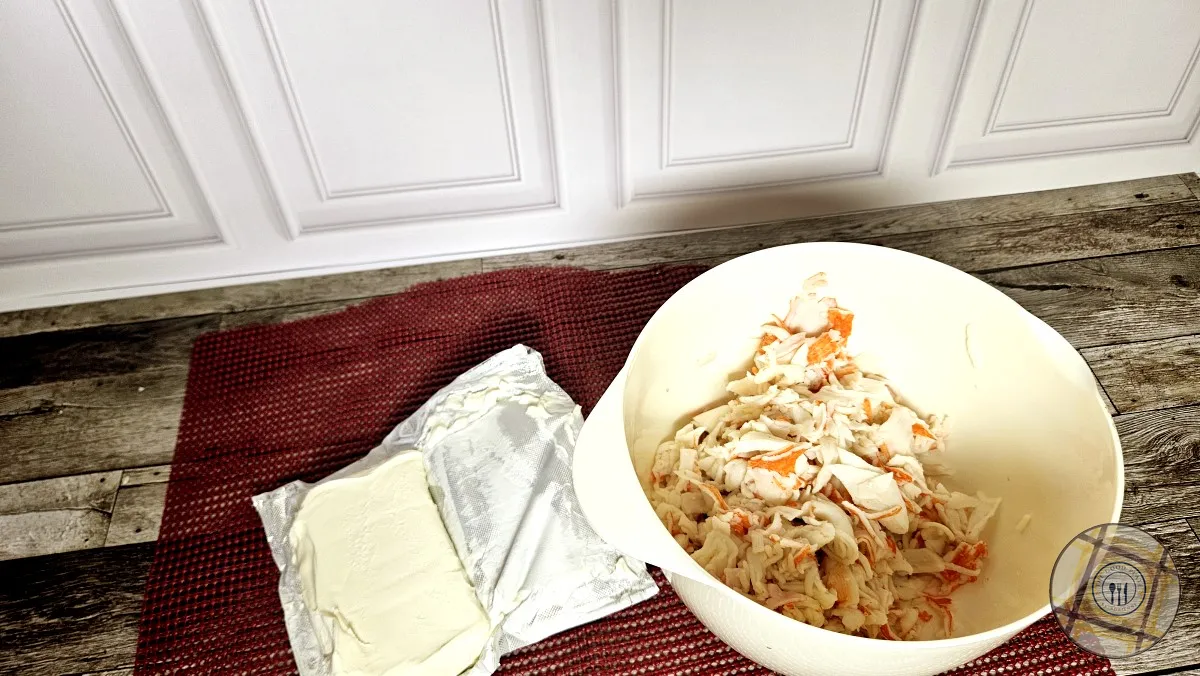
- 8 ounce imitation crab, 4 ounce (113.4 g) cream cheeseBreak the crab up with your fingers. Make sure the cream cheese is softened and malleable.
- Cut the salmon into portions.
- Slice the salmon into two inch slices. Discard the skin.
- Put a layer of the rice on each plate.
- Put a layer of salmon pieces.
- Put a layer ot cream cheese on the salmon.
- Put a layer of crab and salmon pieces.
- 1 cucumber, 1 avocadoScatter the vegetables around and over the salmon.
- Top with the remaining salmon.
- 1 teaspoon (0.99 teaspoon) Japanese BBQ SauceDrizzle Japanese BBQ lightly on the salmon.
- 1 teaspoon (0.99 teaspoon) Sesame seedsSprinkle with black sesame seeds for garnish.
Nutrition
Introduction
There is a small sushi restaurant in Glendale called Kumadori Sushi that makes a baked salmon roll I cannot stop thinking about. Every time I order it, I find myself picking apart the layers with my chopsticks anyway. That habit is exactly where this recipe came from. Rather than rolling these ingredients tight and then unrolling them at the table anyway, I built this dish to be layered from the start. This Baked Salmon Sushi Stack takes the same flavors, sushi rice, tender baked salmon, cream cheese, crab, and avocado, and presents them the way I actually eat them: stacked, layer by layer, right on the plate.
Sushi has always been a category that bends easily. Rolled sushi with the rice inside a sheet of nori is only one branch of a much older tradition. Oshizushi, or pressed sushi, has been layering rice and toppings into molds for centuries, long before rolling became the style most people picture first. If you want to see that layering tradition in its more classic pressed form, I have a full post on making Oshizushi in a wooden mold that walks through the method and talks in depth about properly seasoned sushi rice, which is the same rice base this stack is built on.
The other layers here trace back to the Philadelphia roll, which paired salmon, cream cheese, and cucumber decades ago and became a sushi menu staple well beyond Japan. Imitation crab, known as surimi, comes from a different lineage entirely; it's a sushi counter staple made from mild whitefish pressed and flavored to mimic real crab at a fraction of the cost. None of these ingredients are traditional in Japan, but all three have become common enough in sushi outside of it that leaving them out would feel like leaving out something people expect.
Equipment We Used
Sushi rice has to be rinsed until it runs clear. Rice is small so it will fall out of the typical colander you would use for pasta. Putting it in a bowl, soaking it, and then using a plate to keep the rice in has the same problem - the rice falls out with the water. I found a *rice washing bowl that I use not only for rice but also for draining and rinsing canned beans and other vegetables. You will wonder why didn't have one of these before.
You are welcome to make the rice on the stovetop or a dedicated rice maker. Our *Instant Pot does the job with a 1:1 rice:water ratio and cooks the rice perfectly every time.
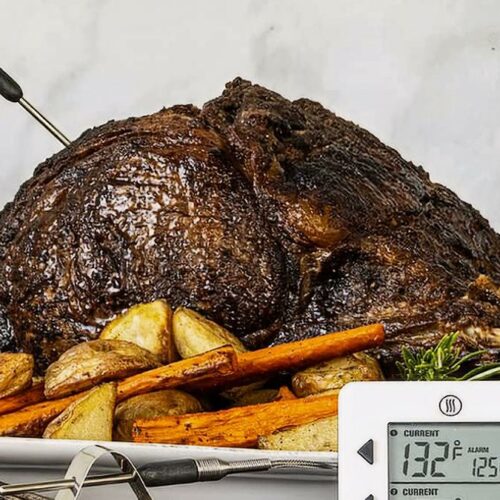
We also used a Thermoworks Square Dot *probe thermometer to make sure that the salmon was cooked to the perfect temperature.
Why Baked Salmon Sushi Stack works
Baking the salmon in a foil packet with ginger, garlic, and scallion does two jobs at once. The foil traps steam and moisture, so the fish stays tender instead of drying out in the oven, and it lets those aromatics work into the flesh the whole time it bakes, so the seasoning reaches all the way through rather than sitting only on the surface. I use this same foil packet method for my baked steelhead trout in foil, since it works just as well no matter which fish you're cooking.
Cooking the rice in the Instant Pot removes the guesswork and the risk of scorching that comes with stovetop rice. Set it, walk away, and come back to perfectly cooked sushi rice every time.
Layering everything directly on the plate is the whole point of this dish, not a workaround for anything. It lets every bite show off each component clearly, the rice, the salmon, the cream cheese, the crab, the avocado, instead of hiding them inside a tight roll. It also becomes easier to eat because it doesn't fall apart like sushi can do just when you think you have it securely in your chopsticks.
Common Mistakes and Gotchas
A list of common mistakes and Gotchas
- Rinse the sushi rice until the water runs clear before cooking it, or the finished rice will be too sticky to layer cleanly.
- Use a probe thermometer and pull the salmon around 130°F (54°C), since it will continue rising to a safe 135°F (57°C) as it rests.
- Seal the foil packet well before baking so the steam stays trapped inside; a loose seal lets moisture escape and the salmon can dry out.
- Cool both the rice and the salmon completely in the refrigerator before storing leftovers. Do not leave either at room temperature for more than two hours, since both are highly perishable.
- Break up the imitation crab by hand before layering it, so it distributes evenly instead of clumping in one spot.
Serving and Storage
Serving
Build the stack directly on the plate you plan to serve it on, since the layers are loose. Serve it while the salmon is still warm. A drizzle of extra Japanese barbecue sauce or a scattering of sesame seeds over the top finishes it off. It would be great with a chilled Sapporo or white wine.
Storing
This stack is best eaten the day it is made. Both the rice and the salmon need to cool fully in the refrigerator before storing, since warm rice and warm fish are both highly susceptible to bacterial growth if left at room temperature. Store the components separately in airtight containers for up to two days rather than keeping the layers assembled, since the rice will firm up and everything will lose its texture once restacked.
FAQ
Can I use raw salmon instead of baked?
This recipe is built around baked salmon for food safety and texture, so I would not recommend substituting raw fish here without adjusting the method entirely.
Can I make this ahead of time?
The individual components can be prepped ahead and refrigerated, but the stack itself should be assembled and served fresh.
Can I use real crab instead of imitation crab?
Yes. Imitation crab is what I used here, but real crab meat works just as well if you prefer it.
Do I need any special equipment?
No mold or special tools are required. A rice washing bowl for rinsing the sushi rice and a probe thermometer for the salmon are the only extras worth having on hand.
Transcript of Baked Salmon Sushi Stack
Transcript
Good afternoon and welcome to the Good Plate's Kitchen.
Today we are going to make something that I
absolutely love. There is a Japanese sushi
restaurant in Glendale called Kamuduro Sushi and they make a baked salmon roll
that I absolutely love.
So I wanted to recreate it here and we have a salmon.
We're going to be cutting that up.
Cream cheese,
invitation crappy, sushi rice, and Japanese barbecue sauce, rice vinegar,
garlic, and scallions.
Now it's important when you're making this to use the right kind of rice.
This is a short green rice.
It's called sushi rice.
And sushi rice is flavored with rice vinegar.
You can use the flavored rice vinegar.
This one already has all the ingredients in it.
Usually you would use rice vinegar and sugar.
This is already seasoned, so you don't have to do that.
And I'm going to make our rice in the Instant Pot.
So it'll be very, very easy, no burning, no problems.
Of course, if you want to use real crab, you're more
than welcome to, but we're using imitation crab.
This is known as Surimi.
It's fine. Cream cheese and an avocado for the garnish.
Okay, the first thing we have to deal with is the rice.
Now, when you make sushi rice, you have to rinse the rice until the water runs clear.
So I want to introduce you to my little friend.
This is actually for making rice.
But Il use it for all kinds of things.
Like if I want to drain beans or canned food
or whatever. Let's measure this rice first
so we knew how much water to put in.
Because the ratio is just as usual as rice usually is, it's one to one.
We're just shy of two cups.
So I'm going to call this one and three quarters.
This little guy is trying to escape and not be part of our dinner.
Okay, I'm going to take this and I'm going to rinse it.
Okay, now the rice is finished.
It's in the pot of the instant pot.
And we're going to add the seasoned rice vinegar to the water.
Okay, and you can see I have a cup and a half of water right here.
So I'm going to add a quarter cup of the seasoned rice vinegar.
Okay, I'm going to add this to this.
Okay, here we are with the crab,
surimi, and I've already broken that up with my hands.
We're going to be layering this.
So that's why I broke it up.
And cream cheese.
I'm going to put a thin layer of that on the salmon as well.
And I'm going to show you the salmon.
Okay, so here's our here's our salmon.
And I'm going to put some seasoning the garlic.
You can see this salmon is on foil.
So we're going to take the salmon and we're going to put it in the oven.
And you can see I use this method also when I make steelhead trout.
And you can see the method that I use is basically the same method.
Okay, so we can have salmon all ready.
It's kind of in the middle.
Okay, there we go.
Now what's going to happen is the onion and the garlic
are going to give the salmon some extra flavor.
We have some ginger paste too.
I'm going to put a little bit of that on there too.
Give it some extra flavor.
You don't need very much.
Just a little bit.
So now just take that kind of distribute it around.
It's a paste really like this paste.
It's a really kind of full proof.
All right, now we're going to take her.
I'm going to seal her up.
And I'm going to set it
up like that. Like that.
Okay, we're going to put her in a 350 F (176 C) oven.
until she's at temperature.
And we're going to use a probe to make sure that
our salmon is the correct temperature that it's cooked through all the way.
We're going to put it in the thickest part, which should be right here.
And just to get in there like that.
Okay, this is a Square Dot from Thermonix.
The best one you can buy.
It is great.
Okay, right now the interior of that salmon is 29 degrees Fahrenheit (-1.67 C).
Okay, we want to get it to 135 F (57 C).
So we're going to make it so it goes to, but let's say 130 F (54 C) just to be sure.
Okay, we're going to set it for 130 F (54 C)
and we're going to put it in the oven.
And it will a little beep when food is ready.
Okay, we'll see you then.
Okay, the salmon is out of the oven.
Show you what it looks like.
That! Isn't that beautiful?
It is perfectly cooked.
Okay, I'm going to plate it.
I'm going to show you that in a few minutes.
And this is our completed dish.
See, we have rice layer, salmon layer, cream cheese layer.
Crab layer and more salmon.
I'm going to have a bite.
And tell you how absolutely fabulous it is.
A bite with everything.
That is so good.
You have to try this.
You can get the full recipe with all the
ingredient amounts and full directions
on the website and we'll see you next time on the Good Plate.
Remember, ever forward, ever flavorful.
Yum, yum!