Summary
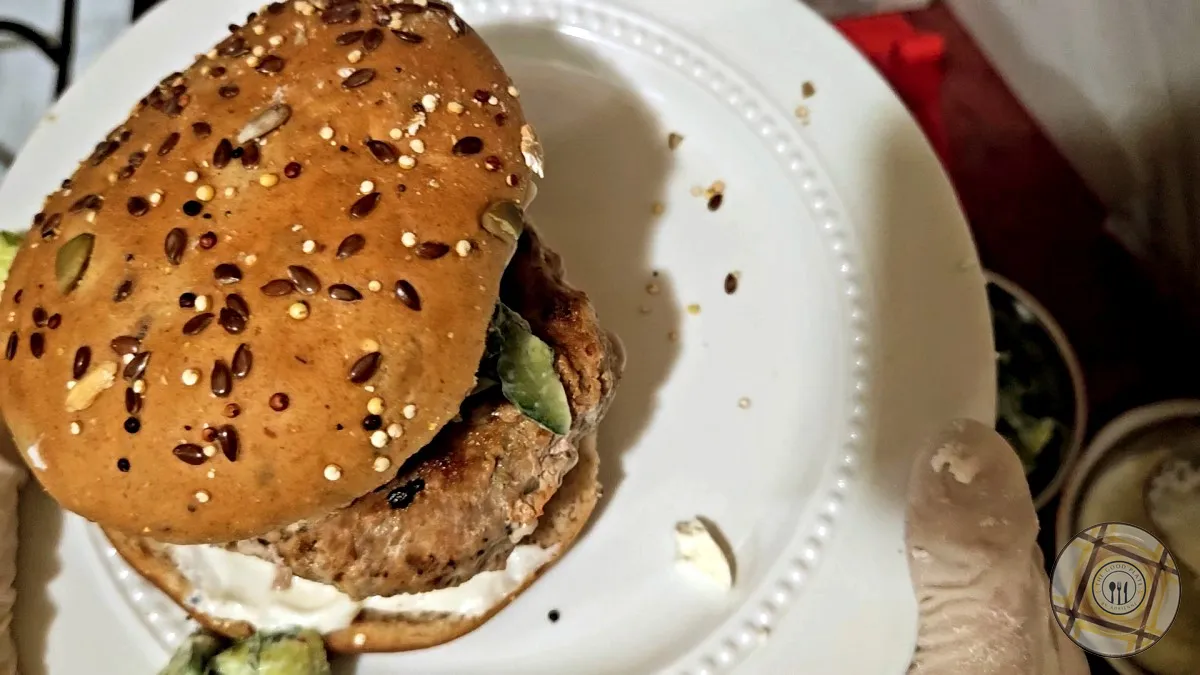
The Rosemarie Turkey Burger is a ground turkey patty seasoned with Aleppo pepper, oregano, spearmint with wheat germ for flavor, structure, and nutrition. It is served whole grain buns to hold the build with yogurt-garlic toum on the bun, chopped cucumber tossed with mint, and crumbled feta on top.
What's on Your Plate
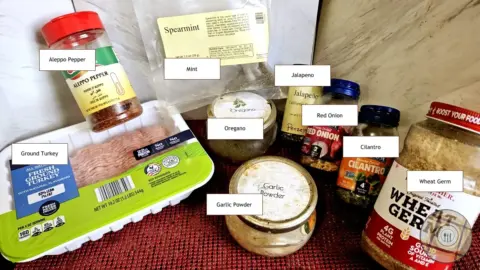
Rosemarie turkey burgers are seasoned with Aleppo pepper, oregano, spearmint, jalapeño, cilantro, garlic powder. They are good for you with wheat germ. Serve on whole grain buns with yogurt toum, chopped cucumber with mint, and crumbled feta.
Step by Step Photos
Rosemarie turkey burgers Recipe
Email Me the Recipe
Enter your email address and we will send it straight to your inbox.
Rosemarie Turkey Burger With Cucumber
Equipment
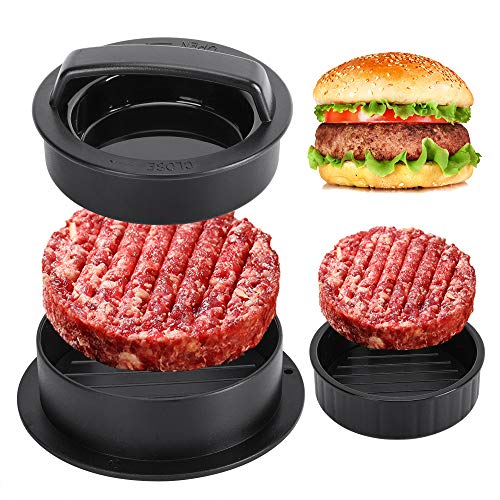

If you purchase any of the products through these affiliate links, I get a few pennies that help keep The Good Plate open. I use these products myself and want you to be able to easily find them.

Ask the Cooking Genie
Have a question about this recipe that isn't answered in the post? The Cooking Genie is at your service. The Genie knows this recipe well, but even genies slip up now and then — please use your own good judgment in the kitchen. Per genie union rules, the Genie may grant three questions per visit. For anything beyond this recipe, please use the contact form.
Ingredients
~~ Burger ~~
- 1 pound (453.59 g) ground turkey
- 1 teaspoon (0.99 teaspoon) oregano
- 1/2 teaspoon (0.49 teaspoon) garlic powder
- 1/2 teaspoon (0.49 teaspoon) Aleppo pepper
- 1 teaspoon (0.99 teaspoon) Mint, dried
- 1 teaspoon (0.99 teaspoon) red onion, dehydrated
- 1 teaspoon (0.99 teaspoon) cilantro, dehydrated
- 1/4 cup (28.75 g) wheat germ
- 1 tablespoon (0.99 tablespoon) *olive oil
~~ Sauce ~~
- 1/2 cup (122.5 g) Yogurt
- 1/2 teaspoon (0.49 teaspoon) *garlic base
~~ Topping ~~
- Whole grain bun
- 1 (1) Persian cucumbers, small dice
- 1 teaspoon (0.99 teaspoon) Mint, minced
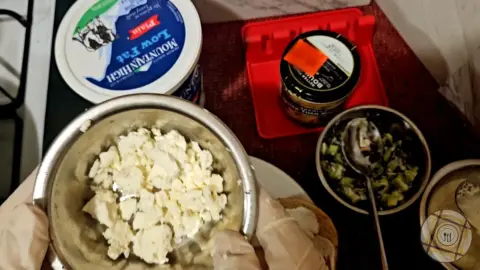
- 1/4 cup (37.5 g) feta, crumbled
Instructions
- Gather ingredients
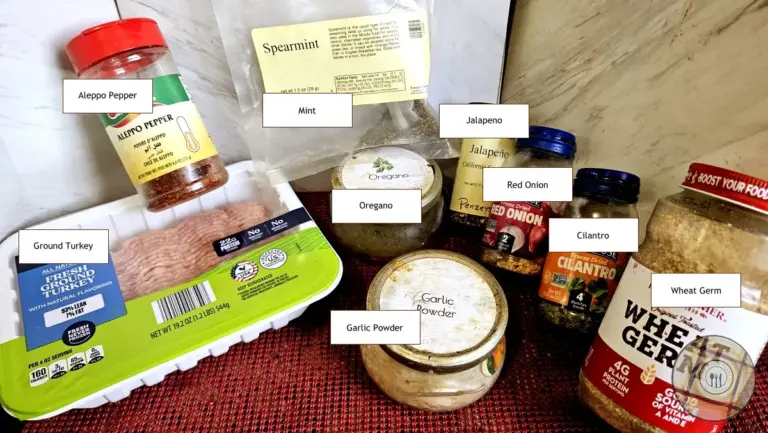
Burger
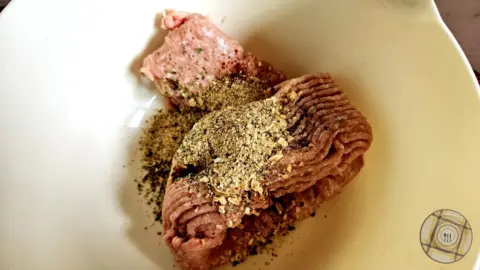
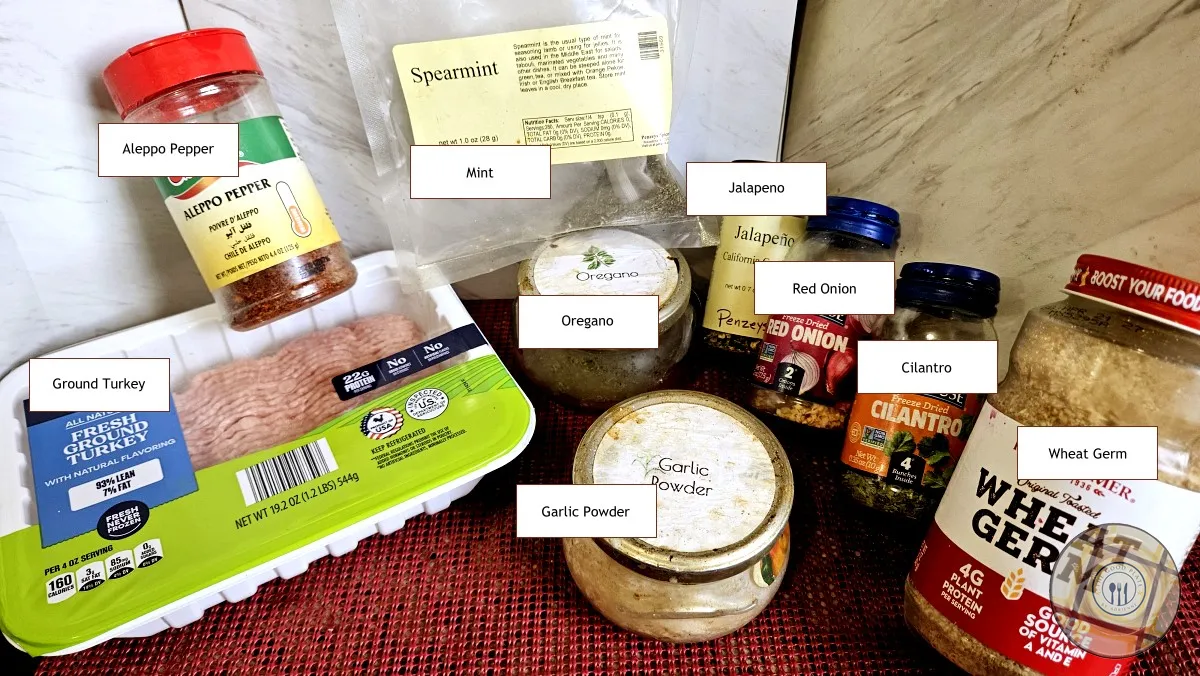
- 1 pound (453.59 g) ground turkey, 1 teaspoon (0.99 teaspoon) oregano, 1/2 teaspoon (0.49 teaspoon) garlic powder, 1/2 teaspoon (0.49 teaspoon) Aleppo pepper, 1 teaspoon (0.99 teaspoon) Mint, 1 teaspoon (0.99 teaspoon) red onion, 1 teaspoon (0.99 teaspoon) cilantro, 1/4 cup (28.75 g) wheat germMix the ingredients for the burger.
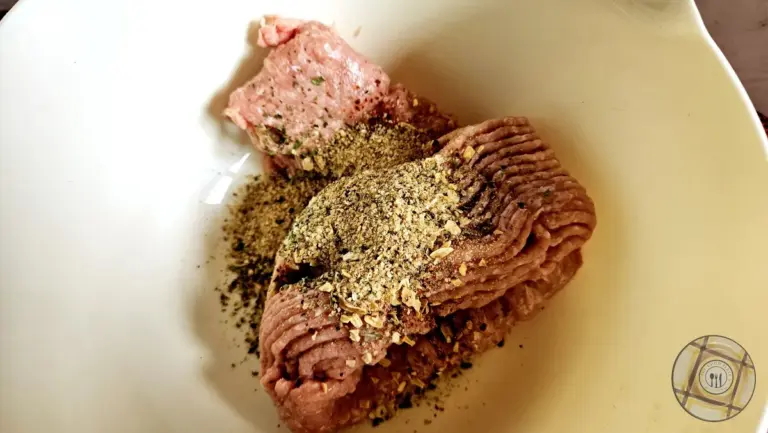
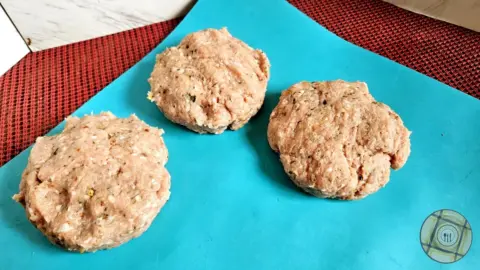
- Form into patties. Refrigerate for at least one hour, or flash freeze, vacuum seal and freeze.
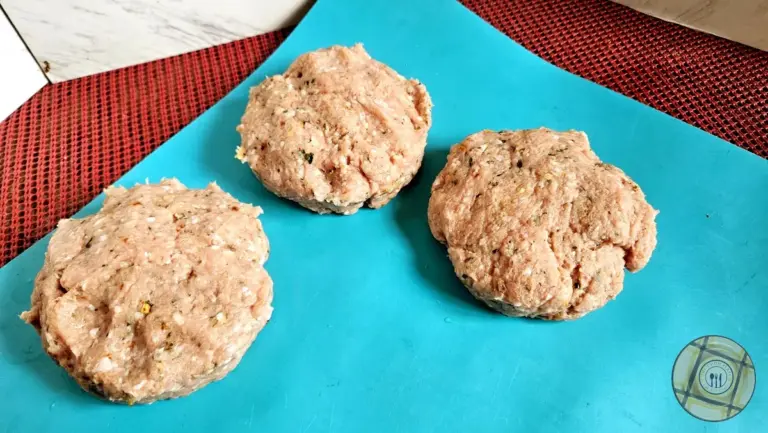
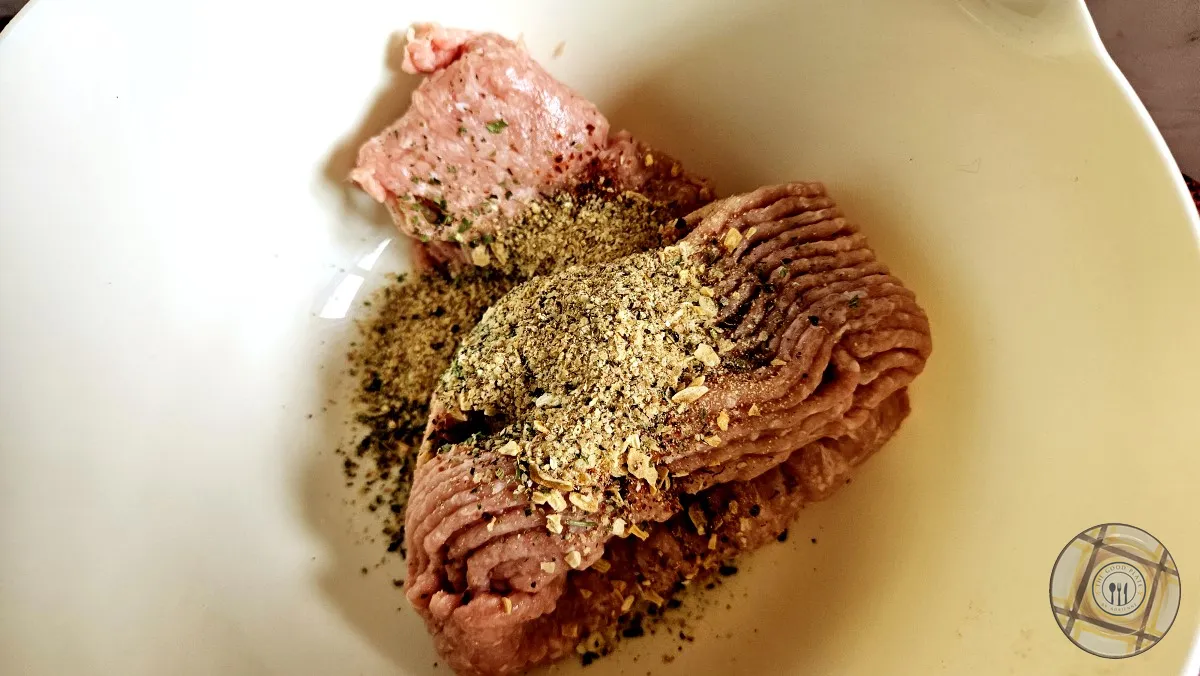
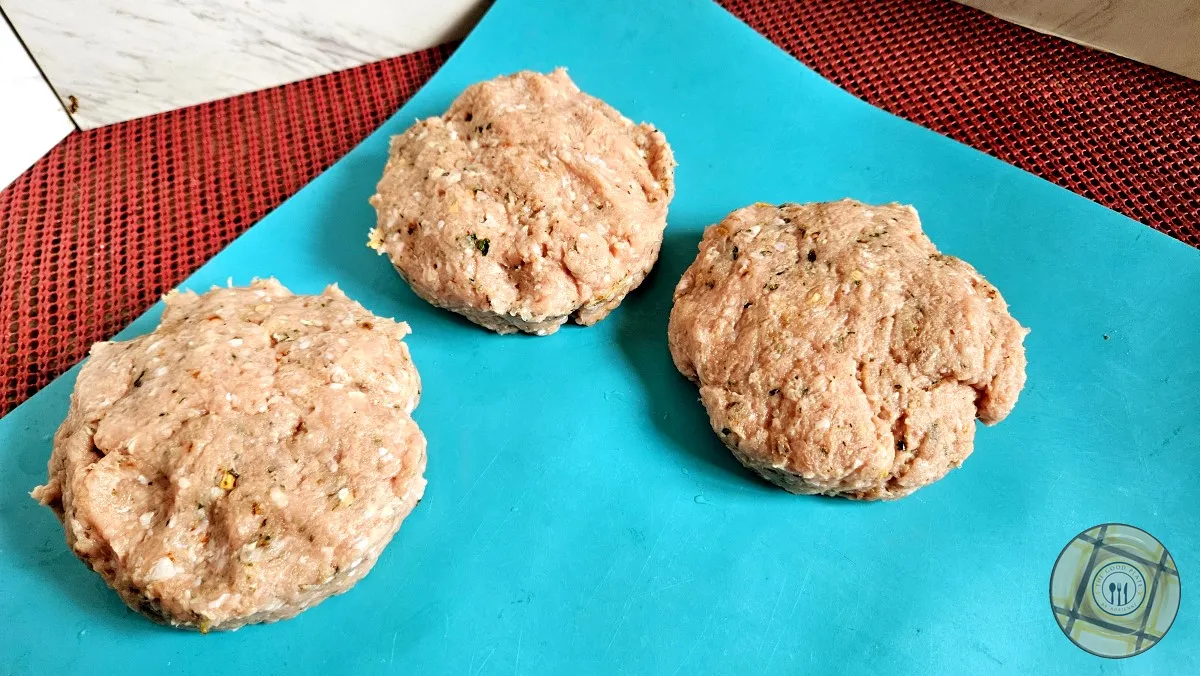
Toum Sauce
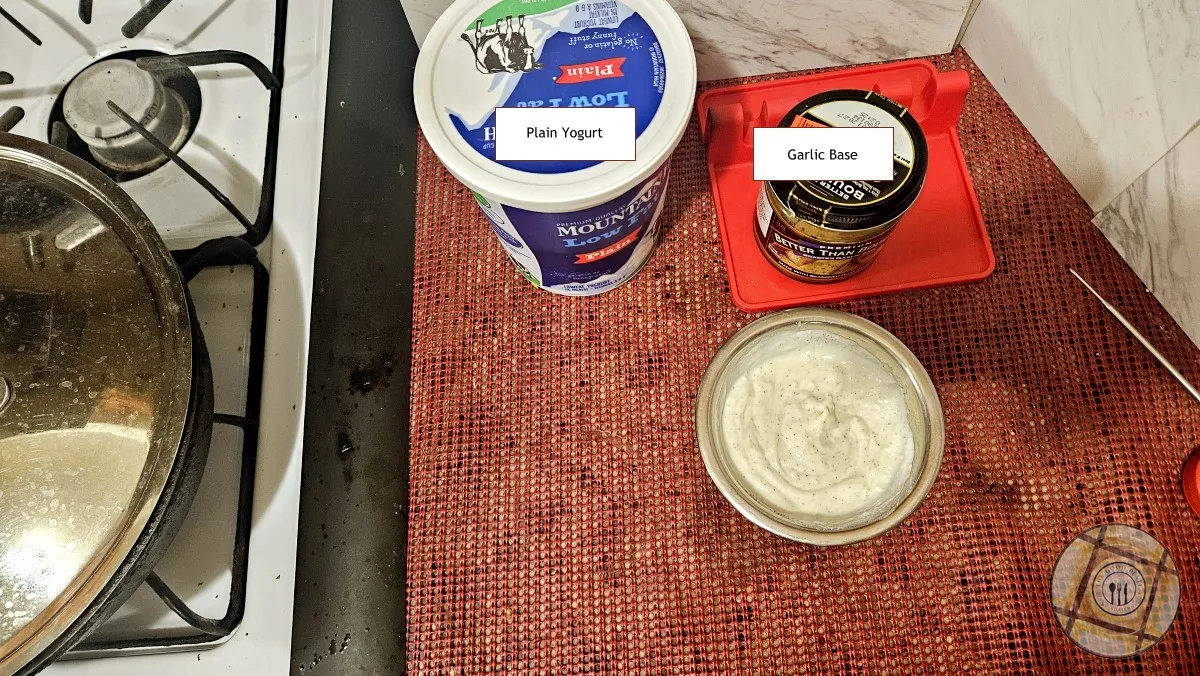
- 1/2 cup (122.5 g) Yogurt, 1/2 teaspoon (0.49 teaspoon) garlic baseMix the yogurt and garlic base together well. Taste for seasoning. Refrigerate.
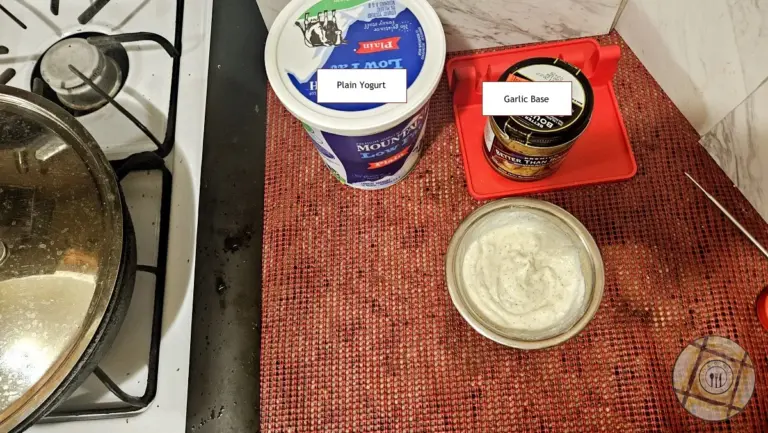
Toppings
- 1 Persian cucumbers, 1 teaspoon (0.99 teaspoon) MintChop the cucumber and mix it with mint. Refrigerate.
Assembly
- 1 tablespoon (0.99 tablespoon) olive oilHeat a cast iron skillet and add the oil. When the oil is hot, add the burgers. Do not flip the burgers until they have formed a crust. You may cover the pan then flip when the burgers have reached 160 °F (71 °C).
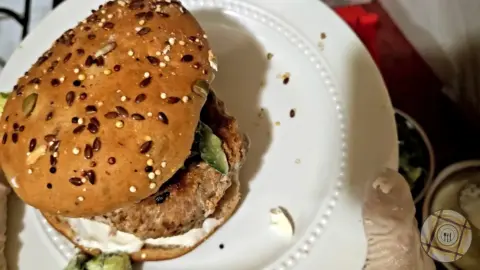
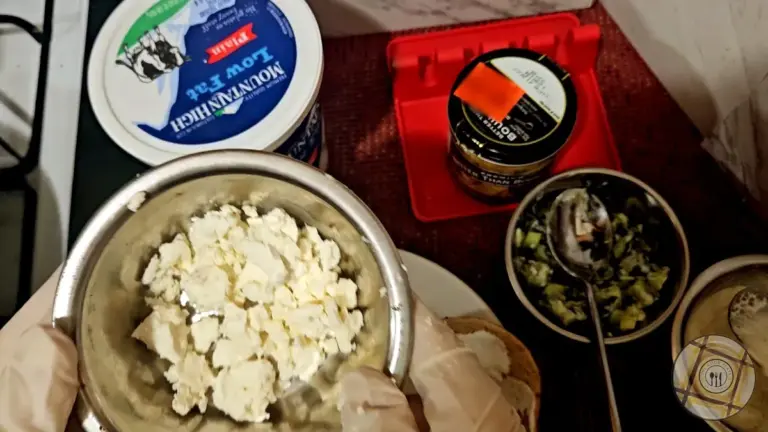
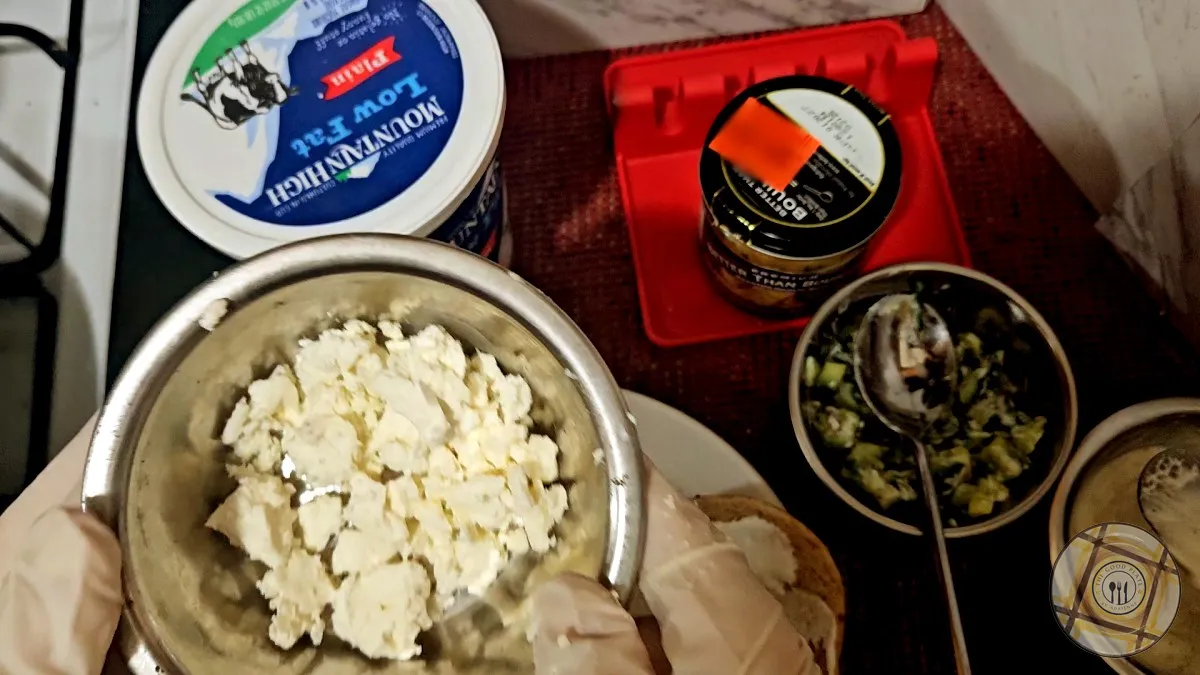
- Whole grain bun, 1/4 cup (37.5 g) fetaSpread toum on both buns. Add the burger. Top with the cucumber mixture and feta cheese. Put the top bun and enjoy!
Video
Nutrition
Turkey burgers have a reputation problem and most of the time, that reputation is earned. Lean, pale, and underseasoned, they rarely compete with their beef counterparts without a strategy. How often do you order a turkey burger unless it's for nutrition or religious reasons? Never. That sounds about right. Turkey burgers - they get no respect.
The Rosemarie Turkey Burger has what it takes to beat the odds.
- A full Mediterranean spice blend builds flavor that turkey cannot generate on its own.
- Wheat germ adds body, nuttiness, and nutrition.
- Yogurt-based toum replaces mayonnaise and provides probiotic coolness.
- Chopped cucumber with mint handles the fresh crunch — because cucumbers are just pickles before the brine gets involved, and mint has been their partner in the eastern Mediterranean kitchen for centuries.
- Crumbled feta finishes the build.
This is a turkey burger with a point of view.
About the Burgers
The flavor of the Rosemarie Turkey Burger comes from the eastern Mediterranean, where spiced ground meat has been a kitchen standard for centuries. Aleppo pepper, named for the Syrian city of Aleppo, is a semi-dried chili with moderate heat, a fruity, and a slightly smokey flavor. It has long been used to season ground meat in Turkish and Levantine cuisines and is the ingredient that makes this patty taste like more than the sum of its parts.
Toum (pronounced like tomb) is a traditional Levantine condiment. In its classic form, an emulsion of garlic, oil, and lemon juice. The version here replaces the oil with low-fat yogurt. Yogurt makes a lighter spread that keeps the garlic impact intact while the mild tang stands in for lemon and pairs naturally with feta.
The cucumber and mint topping is not a garnish. It is a foundational Mediterranean pairing with deep roots across the region. Greek tzatziki, Lebanese fattoush, Persian salads, and Turkish cacık all rely on this combination for the same reason: mint's menthol compounds amplify the perception of cucumber's natural freshness, and cucumber's high water content softens mint's intensity so neither ingredient overwhelms the other. They are not merely compatible — they are calibrated for each other.
The choice of fresh cucumber over pickled is deliberate. We don't use pickles for this because the salt and vinegar would fight with the yogurt and feta. Fresh cucumber contributes crunch and cooling without loading more acid onto an already complex build.
Why Rosemarie Turkey Burgers work
Turkey is leaner than beef, which creates two specific problems: reduced flavor and structural fragility. Every element in the Rosemarie Turkey Burger addresses one or both.
Wheat germ does three things at once. At ¼ cup per 16 oz of turkey, it absorbs moisture to help the patty hold its shape, adds a quiet nuttiness that compensates for turkey's lower fat flavor, and contributes B vitamins, vitamin E, folate, and plant protein. The technique works across proteins — the California Slaw Burger uses 2 tablespoons per pound of beef — but turkey needs the higher ratio because fat is itself a binder, and there is less of it here.
The spice blend layers flavor at multiple levels. Aleppo pepper and garlic powder work into the fat during mixing. Oregano and spearmint add herbal brightness that survives the heat. Freeze-dried jalapeño and cilantro contribute green notes without the moisture that fresh herbs would introduce into the patty.
The spearmint inside the patty and the fresh mint in the cucumber topping are the same flavor thread running through the entire burger. That continuity connects the interior to the exterior in a way that reads as intentional — because it is.
Whole grain buns are structural as much as they are nutritional. Their density holds up against yogurt toum, cucumber, and feta without collapsing, and their nuttiness reinforces the wheat germ character in the patty.
The cast iron skillet provides the even, retained heat that creates a proper Maillard sear on the exterior — the browning reaction that generates hundreds of flavor compounds and is the difference between a good burger and a steamed one. The lid converts the pan into a partial oven, bringing the interior to 165°F (73.8°C) without burning the crust.
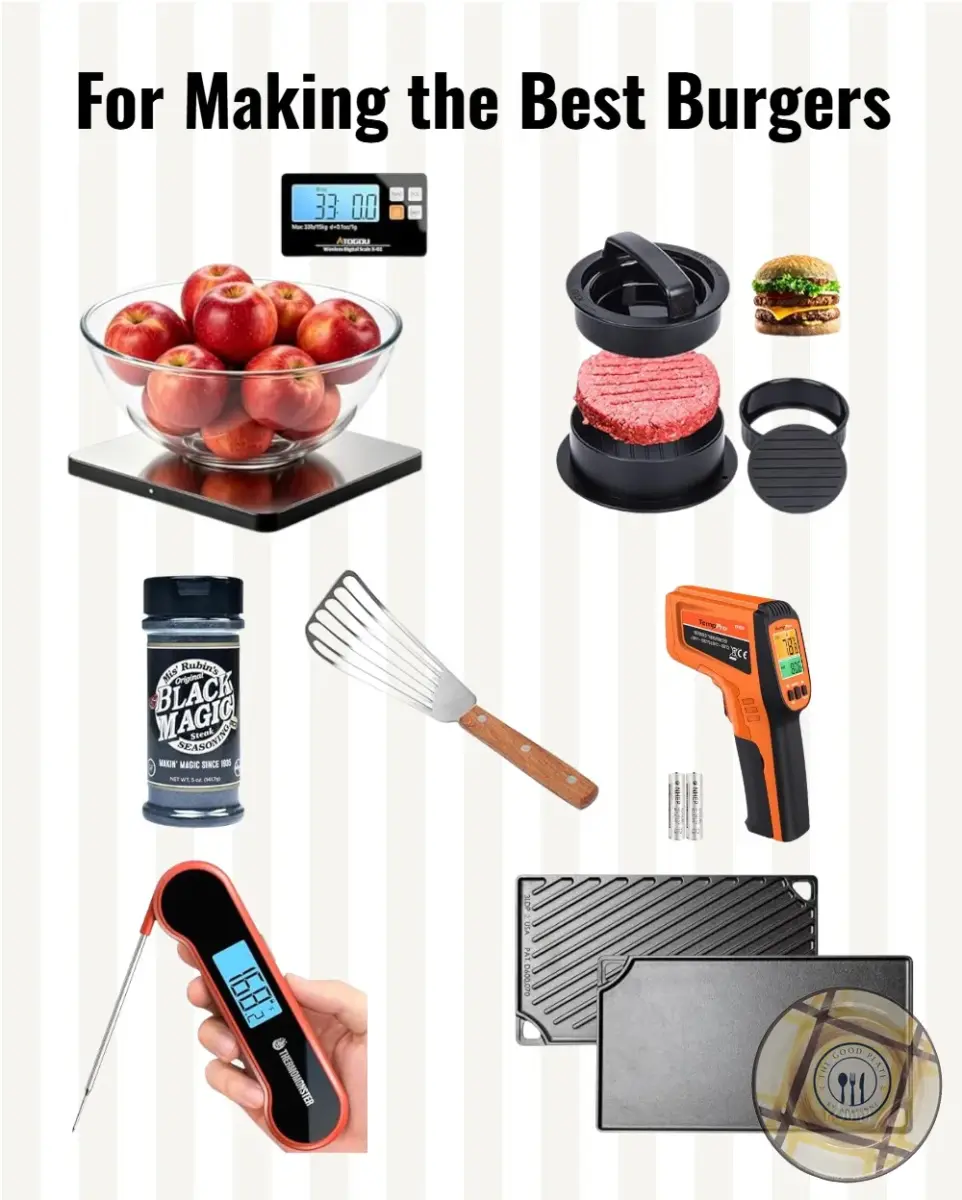
Recommended Equipment
A great burger starts before the beef hits the heat.
A reliable scale, a proper burger press, accurate thermometers, and a solid cast iron surface give you control at every step.
These are the tools worth having.
I highly recommend using a *Burger Patty Maker to make these burgers. A burger patty maker helps create burgers that are uniform in size and thickness, which leads to more even cooking and consistent results. It also speeds up preparation and reduces handling of the meat, helping maintain better texture and hygiene. In addition, the press compacts patties so they hold their shape better and look more professional.
Common Mistakes and Gotchas
A list of common mistakes and Gotchas
- Ground turkey must reach 165°F (73.8°C). This is a food safety requirement, not a preference. Poultry carries Salmonella risk at lower temperatures, and visual doneness cues do not replace a thermometer. Use one every time.
- Do not press the patties while cooking. Pressing squeezes out the moisture that prevents turkey from drying out. The lid does that work — let it.
- Turkey needs a light spray of olive oil in the pan. Beef generates enough fat to prevent sticking; turkey does not. Skip the spray and the first flip will cause problems.
- Refrigerate or briefly freeze the formed patties before cooking. Cold patties hold their shape through the first flip. Room-temperature turkey patties are fragile.
Serving and Storage
Serving
Serve immediately. Spread yogurt toum on both halves of the bun. Place the patty on the bottom, top with a generous spoonful of chopped cucumber and mint, and finish with crumbled feta. Oven fries or a simple green salad keep the plate balanced without competing with the burger.
Storing
Cooked patties keep in an airtight container in the refrigerator for up to three days. Reheat covered in a skillet over medium-low to preserve moisture.
You can flash freeze raw burgers then vacuum seal them for later use. Raw formed patties freeze well for up to three months — separate with parchment paper and thaw overnight in the refrigerator before cooking. Have a look at our guide to Vacuum Sealing Benefits for more information.
FAQ
Can I use ground chicken instead?
Ground chicken works with the same spice blend and wheat germ ratio. Choose thigh-ground chicken over breast for the fat content and flavor. The 165°F (73.8°C) target applies to all ground poultry.
Can I grill these instead of using a skillet?
Yes, with attention. Oil the grates well and make sure they are fully hot before the patties go on. Handle them as little as possible and do not move them before a crust has formed. For safety, you can also put a cast iron skillet on your grill which means the burgers will not fall through the grates.
What if I cannot find Aleppo pepper?
A combination of sweet paprika and a small amount of crushed red pepper flakes approximates the profile. Penzey's carries Aleppo pepper if it is not stocked locally — it is worth tracking down.
Transcript of Rosemarie turkey burgers
Transcript
Good afternoon and welcome to The Good Plate's kitchen.
Today we are making Rosemarie burgers.
Now I know you've never heard of that, but I'm making these burgers in honor of
the good friend of mine's grandmother.
And believe it or not,
one day I was making something that I had never made before,
and this little voice said to me, put these ingredients in.
I'm like, okay, well, it turned out really, really good.
These burgers basically have the same ingredients, so I decided to name them…
Rosemarie burgers.
Now you saw me put them up, so you saw them,
what's in them, and they got put into the freezer.
So first thing we're gonna do is we're gonna check on the temperature of this pan.
This is a cast iron skillet.
Let's check for 50 for 60, that's perfect. Okay.
We're gonna spray a little bit of olive oil… normally,
if this were beef, I wouldn't even bother.
But since it's turkey, we need to put a little tiny bit of something in there.
To prevent sticking.
Okay.
Now, I have a fish spatula, because it does a really good job.
There we go.
This is really good shot, this is
carrying… some length I used to do another.
Okay.
Now, since these are not beef, they're turkey.
They're poultry.
They have to cook to a full 165F or 73.8C.
As you can see, I have a thermometer that helped me do that.
I'm gonna turn the heat down to medium.
So they don't burn.
Get a top on that.
You can sort of roast a little bit or back.
And it's time to check the temperature on these.
161, 166, 169. Okay.
It's time to turn these
This guy's over.
Now, while these were cooking, I thought you might want to know.
We're not using…
mayonnaise or anything else like thats to put on the buns;
we're using something called toum, which is usually a mixture of olive oil
and garlic.
But… because they're a little… trying to be a little bit more health conscious.
We're using low fat yogurt and garlic base,
and mix it together.
And this is what we're going to be putting on the buns.
And the buns, speaking buns.
We're using whole grain buns.
These are… these are Dave's Killer buns.
We're using whole grain buns because turkey burgers have a tendency to be…
not extremely flavorful, unlike beef.
So we're having to compensate a little bit.
So we're going to put some of this… lovely sauce on here, first.
We have a burger.
And somebody challenged me and said that… burgers should not have cucumbers.
And I said, oh, wait.
Cucumbers… are what pickles are made out of.
Right?
So on these, we're actually going to put…
chopped cucumber
mixed with mint
We're going to add a little bit of this lovely cucumber.
Now, you know, some of you are saying, well, wait.
What about the cheese?
Is there no cheese?
Of course there's cheese.
This is feta cheese.
A little bit of that on there.
Don't need very much.
And there… you have a truly wonderful burger.
And I can't wait to eat it.
Thank you for watching.
We'll see you next time on The Good Plate.
And remember, forever forward, forever flavorful.
Yum, yum!