What's on Your Plate
Snapper packets are stuffed with pre-cooked shrimp, sealed in foil, cooked six different ways. An easy weeknight dinner for anyone who wants more fish in their routine, with a probe thermometer doing the doneness guesswork for you.
This recipe is for anyone who loves fish and wants dinner to be easy. Snapper fillets get stuffed with pre-cooked shrimp, rolled up, and sealed in a foil packet, so the fish stays moist while the shrimp warms through alongside it. It makes a fun, low effort weeknight dinner, since everyone gets their own sealed packet to open at the table. Fish is a good change of pace from the beef or chicken that usually shows up on a weeknight, and it is naturally lean. The reason this recipe is worth keeping in rotation is where you cook it. The same stuffed packet works on the grill, in the oven, in an air fryer, in a stovetop smoker, over a steamer, or even in a one pot method that finishes a side of pasta in the same water. Pick whichever method fits your kitchen tonight.
About the Food
Wrapping food before cooking is one of the oldest techniques in the kitchen, older than the oven itself. Cooks have used corn husks, banana leaves, and clay to seal in moisture and flavor long before aluminum foil existed. Foil simply modernized the idea, giving home cooks a fast, mess free way to trap steam around a delicate protein like snapper, so the fish stays moist no matter which heat source does the work underneath it.
Why This Recipe Works
The foil packet traps steam around the fish, so the snapper cooks gently no matter the heat source underneath it. The filling uses shrimp that is already cooked rather than raw, since a sealed packet does not reach searing temperatures quickly enough to safely cook raw shrimp and a delicate fish fillet on the same timeline. Chopped cabbage adds crunch that holds up to steam better than a leafy green would. Because the packet cannot be opened to check doneness without losing heat, a probe thermometer, wired or a Meater style wireless probe, is the most reliable way to know the fish has reached a safe internal temperature of 145 degrees Fahrenheit, 63 degrees Celsius, without guessing.
6 Methods
Pick whichever method matches your kitchen, your schedule, or the weather. Every method finishes at the same safe internal temperature of 145 degrees Fahrenheit, 63 degrees Celsius, checked with a probe thermometer rather than a fixed clock.
- Grill: Cook the sealed packet over indirect heat for a smoky, outdoor dinner. This is the original method for this recipe.
- Oven: Bake the packet on a sheet pan for the most even, forgiving heat of the six methods, ideal when you are not watching the clock closely.
- Air Fryer: Cook the packet in the basket for a faster meal, since the air fryer runs hotter and moves air faster than an oven. Check doneness a few minutes earlier than the oven time.
- Stovetop Smoker: Smoke the sealed packet in a heavy pot with wood chips for real smoky flavor without a dedicated outdoor smoker. The full technique is taught step by step in the Stovetop Smoking course.
- Steamer: Steam the packet over simmering water in a bamboo steamer, an Instant Pot with a trivet, a stainless steel steamer insert, or the steamer basket that comes with some pasta pots.
- Passive One Pot Method: Steam the packet for five minutes over boiling water, then cover the pot and let it finish for ten minutes off the heat while a side of pasta cooks in the same water. This method follows the same principle taught on the Passive Cooking Method page.
Flavor Options
These snapper packets shrimp and cabbage filling is a template, not a fixed recipe. Swap the seasoning to match whatever flavor direction sounds good tonight.
- Mexican, the original: Cumin, chipotle, garlic, and lemon. Warm and citrusy, the flavor this recipe was built around.
- Chinese: Ginger, garlic, scallion, and a splash of soy or rice vinegar. Savory and bright, good alongside steamed rice.
- Italian: Oregano, garlic, lemon zest, and capers. Briny and herbaceous, in the same spirit as Quick Chili Rellenos.
- Mediterranean: Mint, lemon, dill, and cucumber. Cool and fresh, a good match for the steamer method.
- Cajun: Paprika, cayenne, thyme, and celery. Smoky with a little heat, a natural match for the stovetop smoker method.
Common Mistakes and Gotchas
A few things to watch for, no matter which cooking method you choose.
- Always use cooked shrimp in the filling. Raw shrimp can overcook long before the fish finishes, since the two proteins do not reach doneness on the same timeline inside a sealed packet.
- Skip a probe thermometer at your own risk. Since the packet stays sealed during cooking, a probe is the only reliable way to check doneness without opening the foil and losing steam.
- Cooking times vary by method. The stovetop smoker timing follows the same approach taught in the Stovetop Smoking course, and the passive steaming method follows the same 140 degree Fahrenheit, 60 degree Celsius safety principle covered on the Passive Cooking Method page.
Serving and Storage
Serving
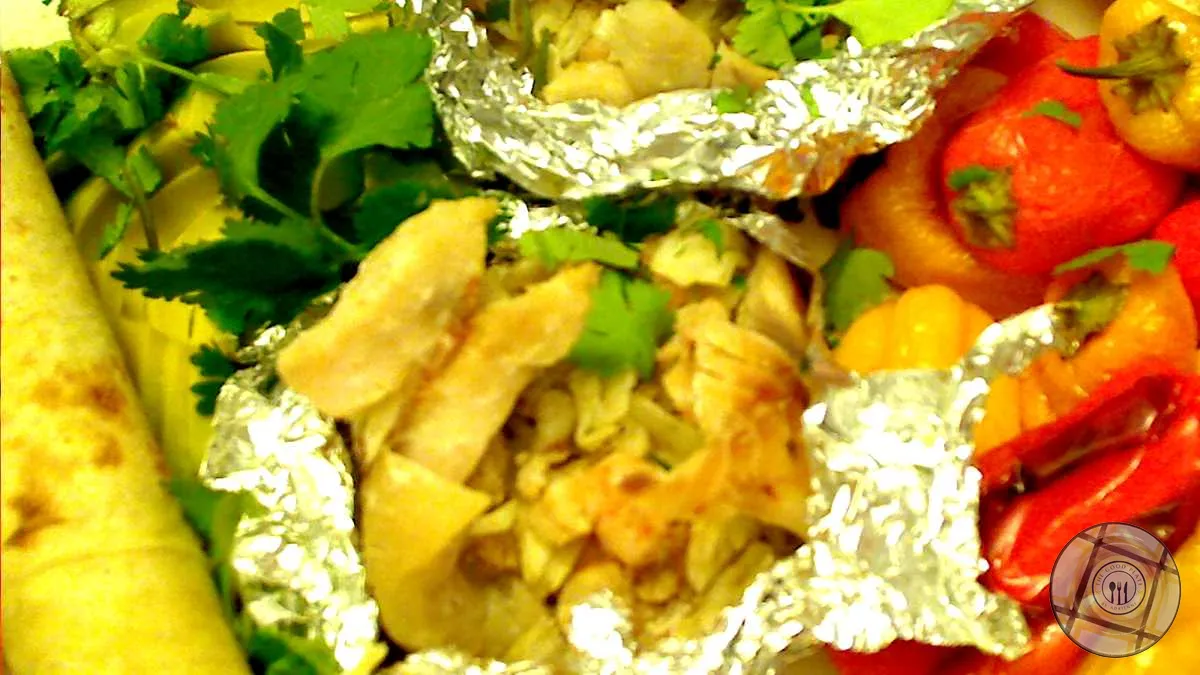
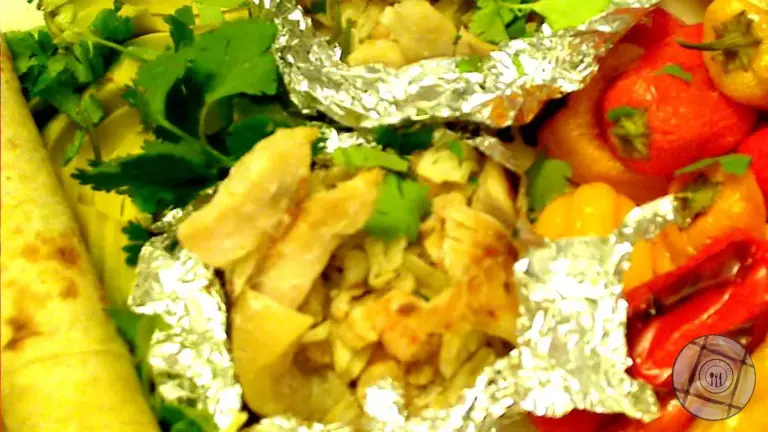
Serve the opened snapper packets warm, with the fish and filling spooned out onto a plate alongside warm tortillas, sliced avocado, and roasted peppers. A scatter of fresh cilantro brightens the dish, and a squeeze of lime at the table lets everyone adjust the acidity to taste.
Storing
Let leftovers cool before transferring the fish and filling to an airtight container. Refrigerate for up to three days. Reheat gently in a covered skillet or the microwave at reduced power, since high heat can dry out the fish. Avoid refreezing, since the shrimp has already been cooked once before assembly.
FAQ
Can I use a different fish?
Yes. Any mild, flaky white fish fillet that can be rolled around a filling will work, though cooking time will vary with thickness.
Do I have to use a thermometer?
Yes. You can get an instant-read thermometer for a song these days. Probe thermometers are easy to get, too, and they both ensure that your food is cooked to the proper temperature.
Can I make the filling ahead of time?
Yes. Since the shrimp is already cooked, the filling can be mixed a day ahead and refrigerated until you are ready to assemble the packets.
Could I use other shell fish than shrimp?
You can certainly use other shell fish other than shrimp. As long as the fish is cooked, you are fine. That means you could use surimi, smoked salmon, smoked oysters, even lobster.
Step by Step Photos
Snapper Packets Stuffed with Shrimp Recipe
Email Me the Recipe
Enter your email address and we will send it straight to your inbox.
Snapper Packets Stuffed with Shrimp
Equipment

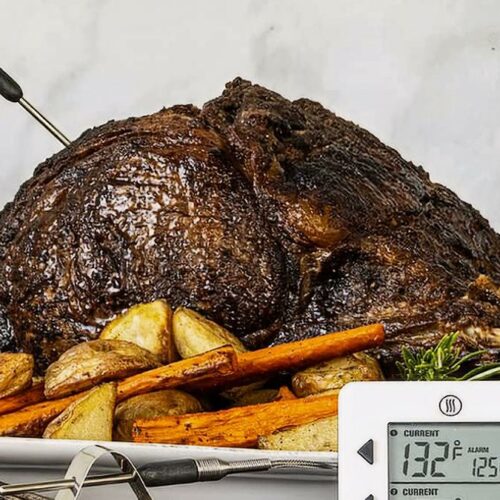
If you purchase any of the products through these affiliate links, I get a few pennies that help keep The Good Plate open. I use these products myself and want you to be able to easily find them.

Ask the Cooking Genie
Have a question about this recipe that isn't answered in the post? The Cooking Genie is at your service. The Genie knows this recipe well, but even genies slip up now and then — please use your own good judgment in the kitchen. Per genie union rules, the Genie may grant three questions per visit. For anything beyond this recipe, please use the contact form.
Ingredients
~~ Stuffing ~~
- 1/4 pound (113.4 g) shrimp, cooked and peeled
- 1/2 cup (35 g) cabbage, shredded
- 1 teaspoon (0.99 teaspoon) cumin
- 1/2 teaspoon (0.49 teaspoon) garlic powder
- 1/4 teaspoon (0.25 teaspoon) Chipotle powder
- 1/8 teaspoon (0.12 teaspoon) Tuscan Sunset
- 2 tablespoon (1.97 tablespoon) Lemon Juice, freshly squeezed
~~ Fish ~~
- 16 ounce (453.59 g) Red Snapper fillets
Instructions
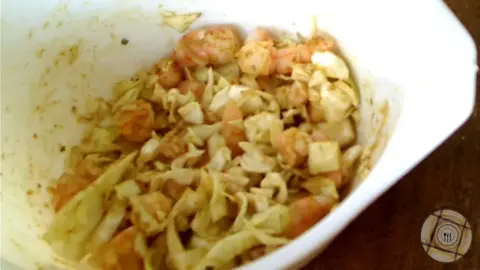
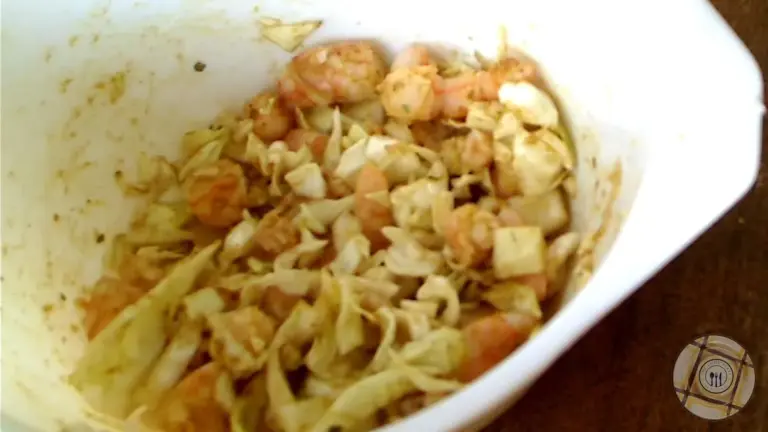
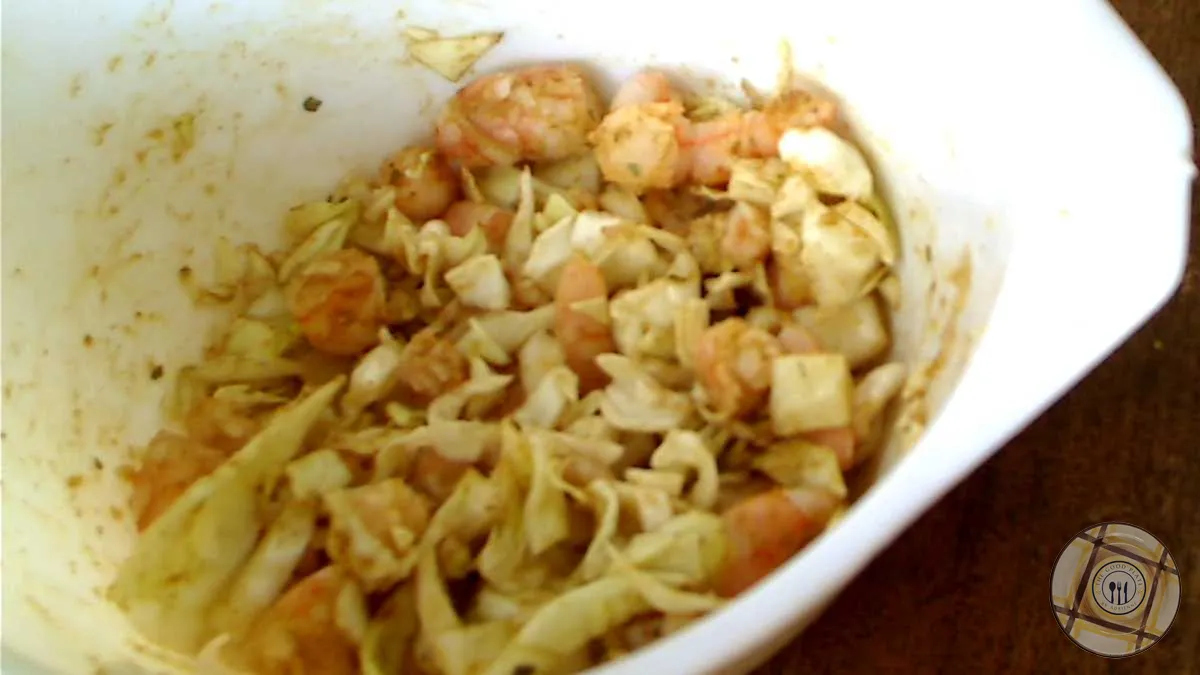
- 1/4 pound (113.4 g) shrimp, 1/2 cup (35 g) cabbage, 1 teaspoon (0.99 teaspoon) cumin, 1/2 teaspoon (0.49 teaspoon) garlic powder, 1/4 teaspoon (0.25 teaspoon) Chipotle powder, 1/8 teaspoon (0.12 teaspoon) Tuscan Sunset, 2 tablespoon (1.97 tablespoon) Lemon JuiceMix all the ingredients for the stuffing together and set aside.
- Tear off two sheets of foil, twice as wide as the snapper fillets.
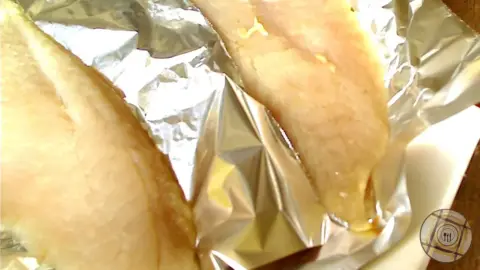
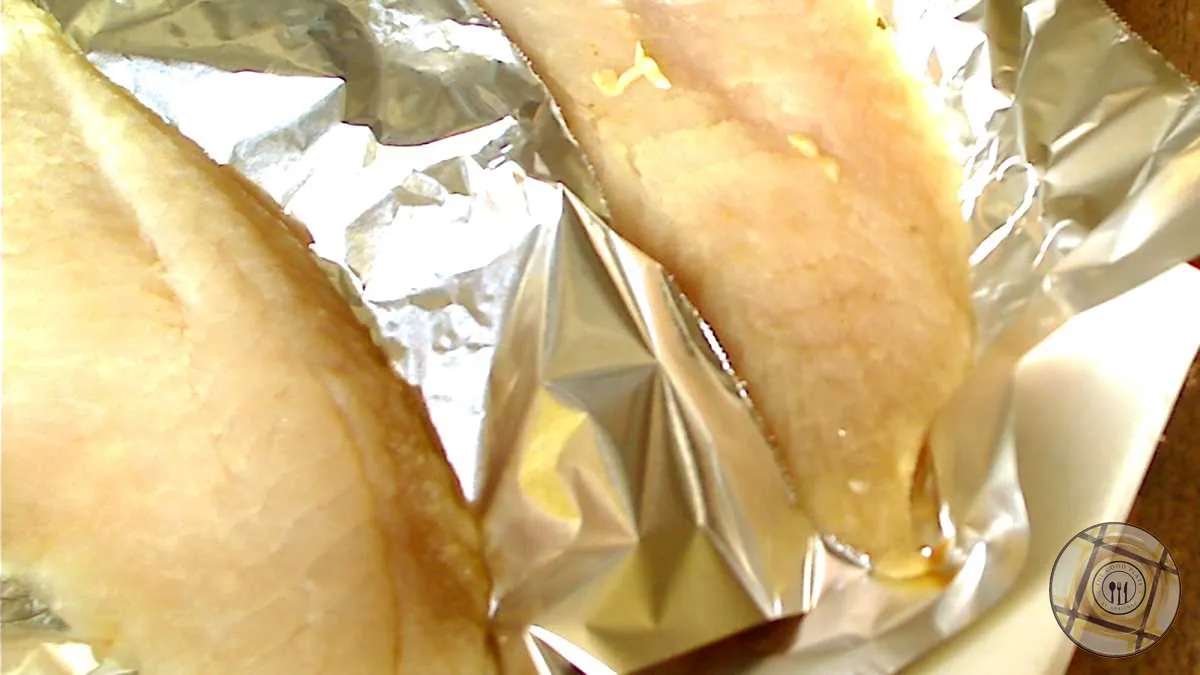
- 16 ounce (453.59 g) Red Snapper filletsPut the snapper fillets on the foil.
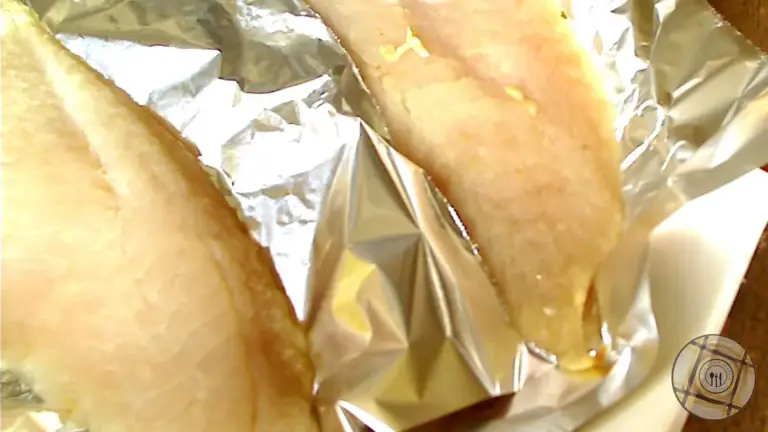
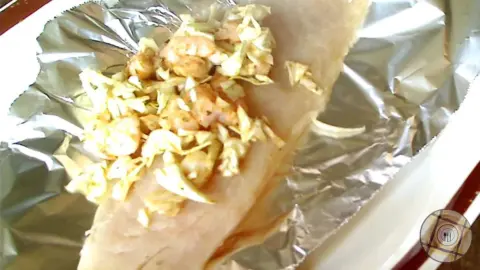
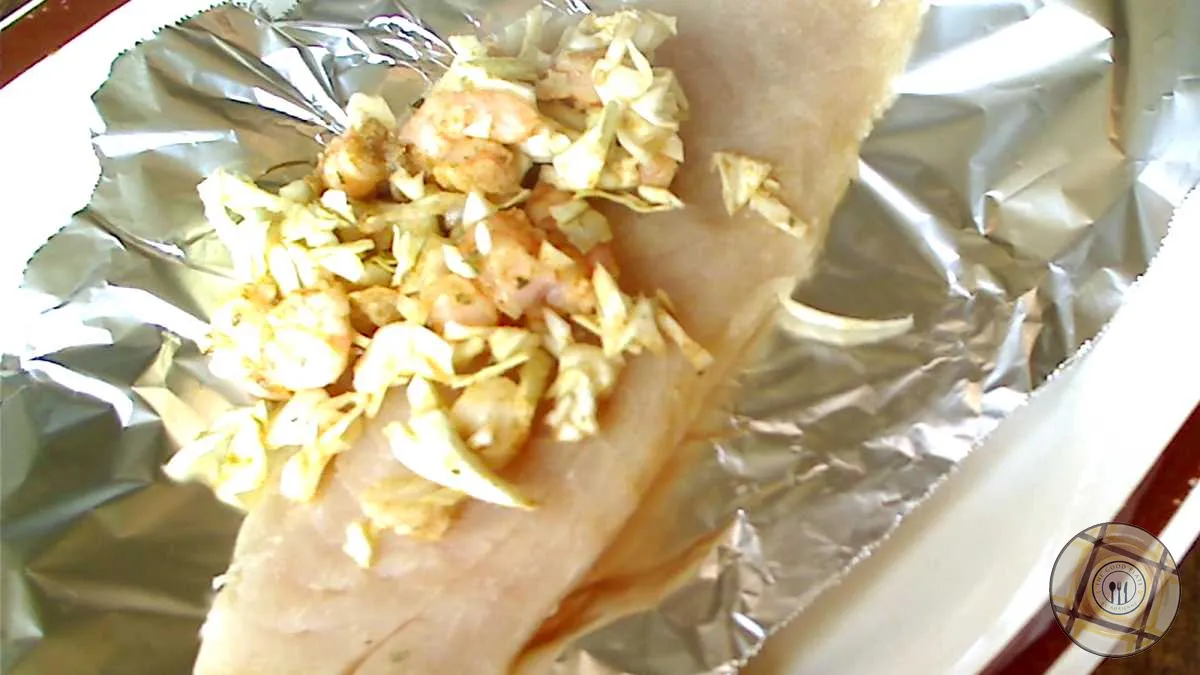
- Divide the stuffing between the two fillets.
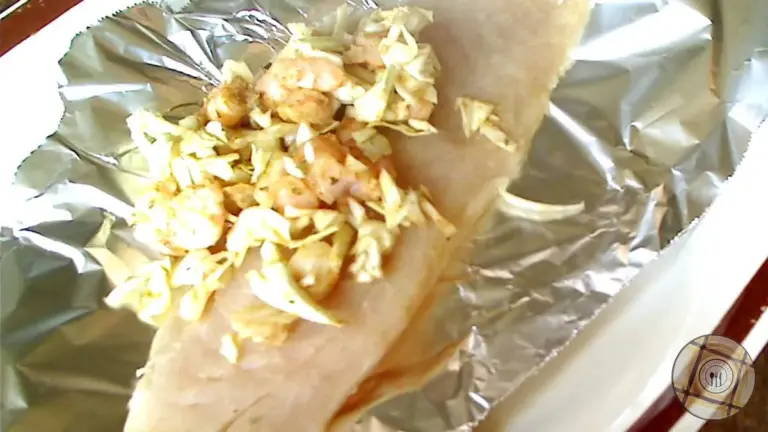
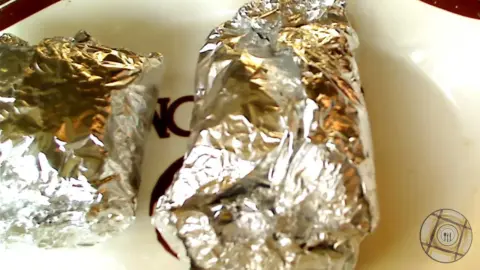
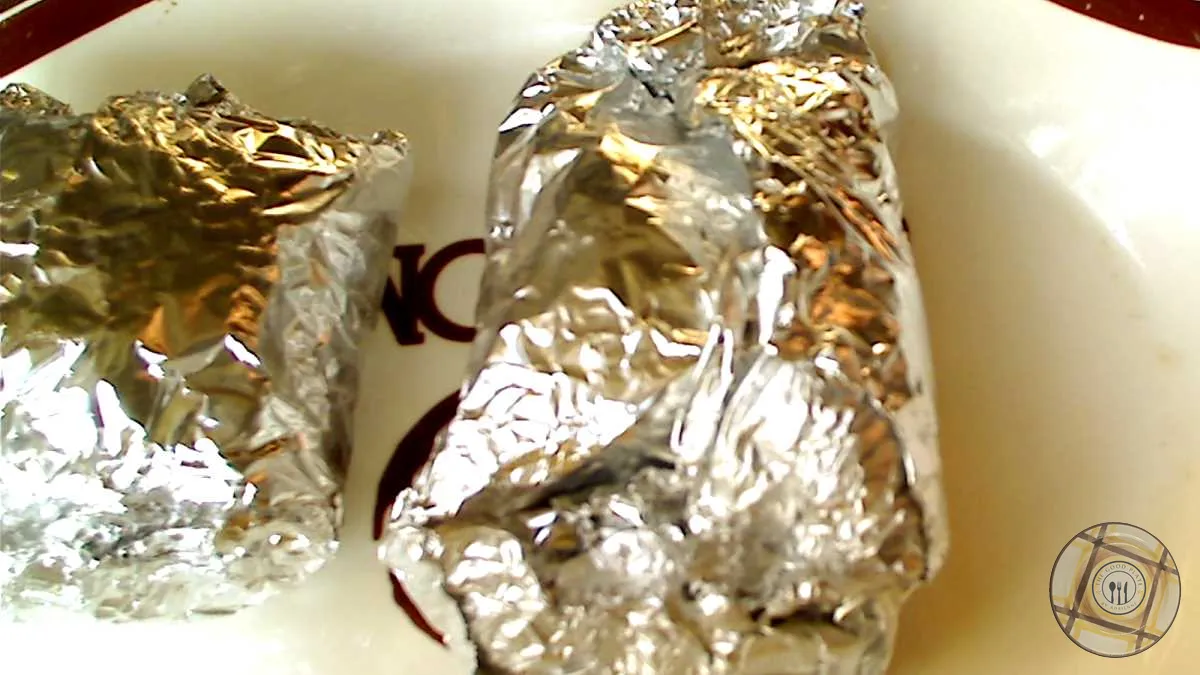
- Roll the fillets up, then quickly enclose them in the foil.
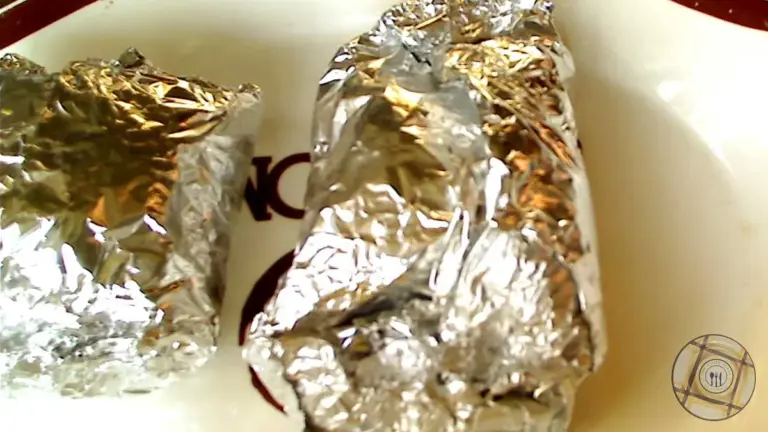
- Seal the foil. Insert a probe thermometer in the thickest part of the fish.
- For the grill, use the indirect method. To cook in the oven, bake at 350 °F (177 °C),
- The fish is done at 145 °F (63 °C), about 20 minutes,
- Let the fish rest for about 5 minutes before serving.
- Serve with tortillas and roasted peppers.
Video
Nutrition
Snapper Packets Stuffed with Shrimp Transcript
Transcript
Good afternoon and welcome to the Good Plate's kitchen.
Today I want to talk about a dinner that solves a real problem.
What do you make when you want to make fish, but you don't want to fuss over it?
This one is stepper fillets, stuffed with shrimp that's already cooked, rolled up,
and sealed inside a boiled packet.
Once that packet is sealed, you've got six different ways to cook it.
So whatever equipment you've got in your kitchen,
tonight this is the recipe that works with it.
If you love fish, but you want dinner to be easy, this one's for you.
Fish is a nice change of pace from the beef and chicken that tend to dominate a
week, the rotation.
And it's centrally lean too.
It's also a fun dinner.
Since everyone gets their own sealed packet to open right at the table,
here's the thing about boiled packets.
You drop steam around the fish, so it cooks gently,
no matter what the heat source is underneath it.
I use precooked shrimp in the filling, not raw, because the sealed packet doesn't
get cut fast enough to safely cook raw shrimp and delicate fish at the same time.
My ad chopped cabbage instead of leafy greens, since cabbage holds its crunch,
throughout that steam.
Now, because the packet stays sealed the whole time, it's cooking.
You can't just peek in and check if it's done.
That's where a probe thermometer earns its keep.
Wire probe, or one of those meter-style wireless ones, either works.
You're looking for a safe internal
temperature of 145 Fahrenheit or 63 Celsius.
And the probe tells you exactly when you're there without opening anything up.
So let's talk about where you actually cook this.
The grill is the original method.
Indirect heat, smoky flavor, plastic outdoor dinner.
The oven is the most forgiving.
Even heat, sheet pan, good if you're not watching the clock closely.
Air fryer is the fastest.
It runs hotter and moves heat quicker than an oven.
So check done as a few minutes earlier than you would in the oven.
But it's really great for the summer because it won't heat up your kitchen.
We've also got a stovetop smoker.
It gives you real smoky flavor without needing a dedicated outdoor smoker.
And I teach this whole technique step-by-step.
in my stovetop smoking course.
And I'll have a link for you in the description.
So if you want to go deeper, there's a link for that.
Steamer works, too.
Bamboo steamer, instant pot with a trivet.
A stainless steel steamer insert.
Even the steamer basket that came with your pasta pot.
All of them do the job.
And then there's my favorite for a weeknight.
The passive one-pot method.
Steam the packet for five minutes over boiling water.
Cover the pot, turn off the heat, and let it finish for 10 minutes.
While a side of pasta cooks in that same water.
One pot, one burner, dinner, and a side done together.
The shrimp and cabbage filling isn't locked into one flavor.
Think of it as a template.
The original is Mexican, cumin, chipotle, garlic, and lemon.
You want something different?
You can swap in ginger, garlic, and scallion for a Chinese direction.
Or oregano, garlic, lemon-zest, and capers for Italian.
Mint, lemon, dill, and cucumber (after)
for Mediterranean, or paprika, cayenne, thyme, and celery, if you want
some Cajun heat.
Same technique, five completely different dinners.
And here's a few things to watch for.
Always use cooked shrimp, never raw, for the reasons I already mentioned.
Don't skip the thermometer, since it's genuine the only reliable way to check on
this without breaking the seal.
And if shrimp isn't your thing, or you're allergic to it, you're not stuck.
Surimi (imitation crab), smoked salmon, smoked oysters, even lobster.
All work in that filling as long as it's already cooked.
This is snapper packet stuffed with shrimp.
One filling, six ways to cook it, and a probe
thermometer doing all the guesswork for you.
The full recipe, including all six methods, and the flavor variations,
is in the description.
Thank you for listening.
And remember, ever forward, ever flavorful. Yum, yum!