
Holidays and harvest season bring out the baker in all of us — and sometimes, the chaos, too. Between new gadgets, endless recipes, and late-night “add-to-cart” temptations, it’s easy to lose focus (and a few dollars). That’s why I keep an Amazon Wish List open year-round.
Instead of impulse-buying, I add what catches my eye, take a breath, and check back later. It’s like window-shopping for the brain — satisfying, strategic, and surprisingly good for your mental health. Plus, I put $30 each month on my Amazon gift card balance. I call it girl math in action — future-me thanks present-me every time a new baking season rolls around.
The Brain Science Behind the Wish List
Here’s the fascinating part: your brain loves anticipation. When you add an item to a Wish List, you trigger the dopamine reward system — that same feel-good response you get from buying — but with none of the regret that often follows.
Dropping something into your cart tells your brain, “We’re done here,” and that ends the anticipation cycle. The reward fades fast, and sometimes remorse takes its place. A Wish List keeps that hopeful curiosity alive while letting your rational mind — your prefrontal cortex — decide if it’s really worth it later.
In short: your Wish List trains you to delay gratification while still getting a tiny burst of joy.
I like to think of it as a dopamine drip without the overdraft.
How to Actually Use the Amazon Wish List
Amazon’s Wish List and Shopping Cart might look similar, but they behave very differently.
- Shopping Cart is for purchases you intend to make now. It’s tied to checkout, meaning it constantly reminds your brain that you’re “almost done.” That’s great for actual groceries — but not for everything else that looks shiny.
- Wish List, on the other hand, is a digital holding pattern. It gives you that same small dopamine hit of “adding something,” without closing the loop by buying it. That space between want and buy is where better decisions are made.
Use your Wish List as your filter. When something catches your eye, save it there. You’ll know it’s still waiting for you, but the pressure’s off. A few days later, you can revisit it with fresh eyes — and either buy it, move it to another list, or delete it altogether.
Everyday Heroes
Your Wish List doesn’t have to be random. Start by creating a collection of things that make your daily life easier — the tools that work hardest in your kitchen, office, or home. I call these Everyday Heroes.
In my kitchen, that means my stand mixer, Instant Pot, air fryer, and a digital scale. These are the items that show up in recipe after recipe — reliable, tested, and truly worth the space they take up.
These recipes would be very difficult, if not impossible, without these kitchen essentials.
- Cakes - Pumpkin Spice Cranberry Breakfast Muffin Cake
- Mashed Potatoes - Colcannon
- Chicken - Golden Dragon Wings
- Burgers - French's Fancy Cheeseburgers
Everyday Heroes
Our Picks
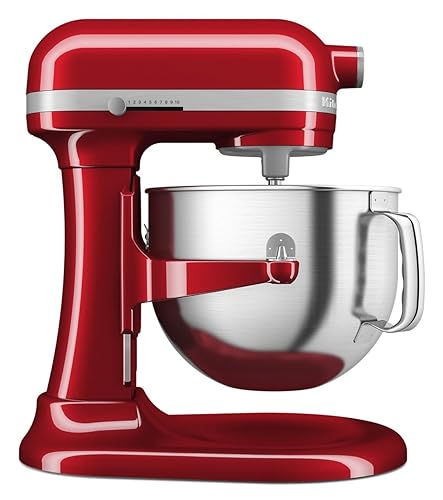


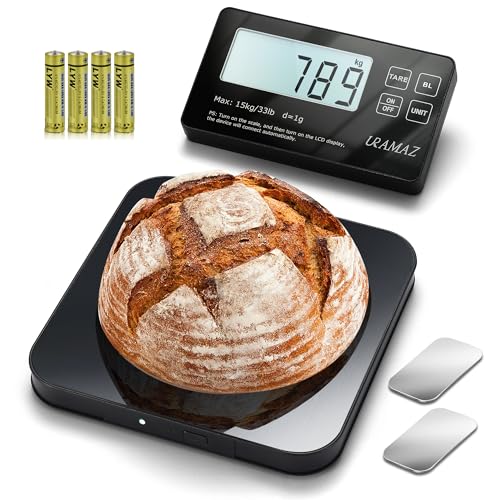
If you purchase any of the products through these affiliate links, I get a few pennies that help keep The Good Plate open. I use these products myself and want you to be able to easily find them.
Organize Your Wishes Like a Genie
Here’s where it gets fun: you can create more than one Wish List. Think of it like giving your genie several jars to hold different kinds of wishes. Each list becomes a little world of its own.
For example:
- Kitchen Tools — everyday gear and replacements.
- Tech Upgrades — SD cards, chargers, and gadgets.
- Bookshelf Goals — cookbooks, fiction, or reference reads.
- Gift Ideas — things you might want to give or receive.
Categorizing like this keeps your brain organized — and your spending intentions clear. When you return to browse, you’ll instantly know which “jar” to open.
Holiday Essentials
Your next list can be a seasonal one — Holiday Helpers. These are the tools and ingredients that only come out during big cooking days or celebrations: a Dutch oven, roasting pan, or sous vide immersion cooker. They’re not daily drivers, but they’re the heroes of special occasions.
Holiday Helpers
Our Picks
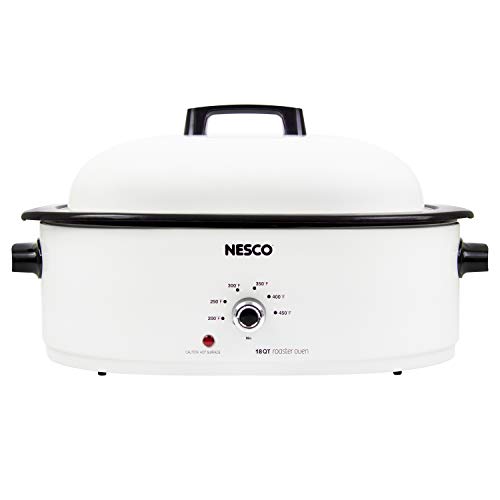
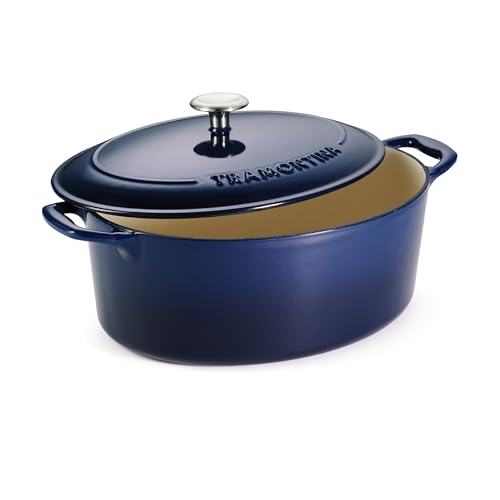


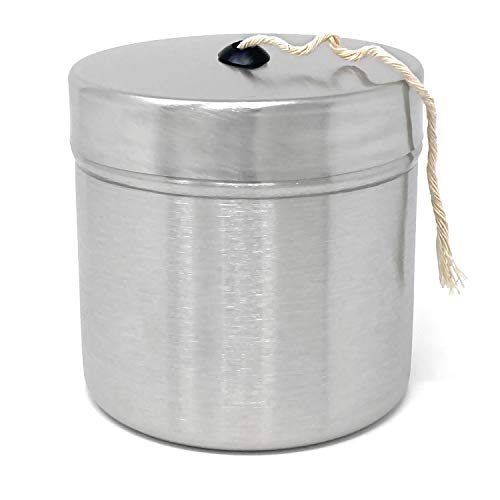

If you purchase any of the products through these affiliate links, I get a few pennies that help keep The Good Plate open. I use these products myself and want you to be able to easily find them.
Keeping this list separate means you can check and restock before the holiday rush. It’s also a smart way to watch for sales throughout the year.
Clean House Periodically
Once every few months, take a few minutes to scroll through your Wish Lists. Remove what you’ve purchased or no longer need. It’s surprising how quickly a list can fill with things that seemed urgent in the moment but now feel unnecessary.
This mini “digital declutter” keeps your lists relevant and your mind clear. It also reminds you of what your mind clear. It also reminds you of what you truly value — the items that make life easier, not busier.
Little Luxuries
Then there’s the list for treats — what I call Little Luxuries. These aren’t needs, they’re joys: an upgraded spatula, a silk pillowcase, or an immersion blender that makes soup silky smooth. These are the small things that make your daily routine sparkle.
Little Luxuries
Our Picks

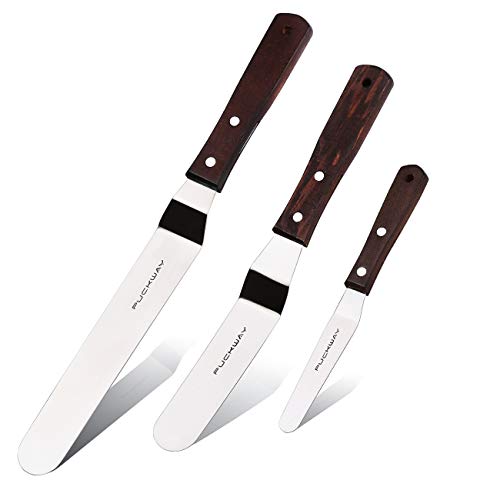


If you purchase any of the products through these affiliate links, I get a few pennies that help keep The Good Plate open. I use these products myself and want you to be able to easily find them.
You don’t need to buy them right away — that’s the beauty of the Wish List. When the right moment or sale comes, you’ll already know what’s worth saying “yes” to.
Bonus Tip: Girl Math in Action
Here’s my favorite trick: put a small amount of money — say $30 — on your Amazon gift card balance each month. It’s a subtle psychological shift. You’re still budgeting, but it feels like free money later when you finally buy something from your Wish List.
I like to think of it as “slow-shopping” — a steady rhythm of adding, waiting, curating, and finally rewarding yourself when it makes sense.
Conclusion
A well-managed Wish List is more than a shopping tool — it’s a mindfulness exercise in disguise. By giving your wants structure and time, you turn spending into strategy and make each purchase intentional. And when you finally click “Buy Now”? That moment feels earned, not impulsive.
Ever forward, ever flavorful. Yum Yum.
References
Einarsson, S. B., Sigurðsson, B. H., Kjartansdóttir, S. H., Magnússon, P., & Sigurðsson, J. F. (2024). Impulsive Buying and Deferment of Gratification Among Adults With ADHD
- Shows that adults with ADHD exhibit more impulsive buying and less ability to delay gratification. PMC+1
- Link: https://pmc.ncbi.nlm.nih.gov/articles/PMC11636743/ PMC
Bangma, D. F., Tucha, L., Fuermaier, A. B. M., Tucha, O., & Koerts, J. (2020). Financial decision-making in a community sample of adults with and without current symptoms of ADHD
- Finds that people with ADHD symptoms report more impulsive buying and use more spontaneous or avoidant financial decision styles. PLOS+1
- Link: https://journals.plos.org/plosone/article?id=10.1371/journal.pone.0239343 PLOS
Compulsive buying in bipolar disorder: is it a comorbidity or a u
- Discusses how compulsive buying appears in bipolar disorder, often associated with mood episodes. PubMed+1
- Link: https://pubmed.ncbi.nlm.nih.gov/22051076/ PubMed
Impulsivity in bipolar disorder: relationships with neurocognitive functioning, symptoms, and more
- Demonstrates that impulsivity is a stable trait in bipolar disorder, present even during euthymic (non-active) phases, not just during mania. PMC
- Link: https://pmc.ncbi.nlm.nih.gov/articles/PMC3855192/ PMC
Assessing personal financial management in patients with bipolar disorder
- Finds that individuals with bipolar disorder have reduced financial management skills and higher impulsivity, which correlate with poorer financial outcomes. PubMed
- Link: https://pubmed.ncbi.nlm.nih.gov/26436337/ PubMed
Neural correlates of impulsivity in bipolar disorder
- Reviews neuroimaging evidence that links impulsivity (a core feature of bipolar disorder) to risk behaviors like excessive spending. ScienceDirect
- Link: https://www.sciencedirect.com/science/article/abs/pii/S0149763423000787 ScienceDirect
Behavioural addictions in bipolar disorder patients: Role of impulsivity, mood symptoms, and more
- Explores the overlap between behavioral addictions (e.g. compulsive buying) and bipolar disorder, emphasizing impulsivity and emotional dysregulation. ScienceDirect
- Link: See study via ScienceDirect (abstract) ScienceDirect
How Bipolar Disorder Mania and Overspending Occur (PsychCentral / HealthLine sources)
- Discusses how spending sprees often happen in manic or hypomanic states as part of impulsive, pleasure-seeking behavior. Psych Central+1
- Links: