
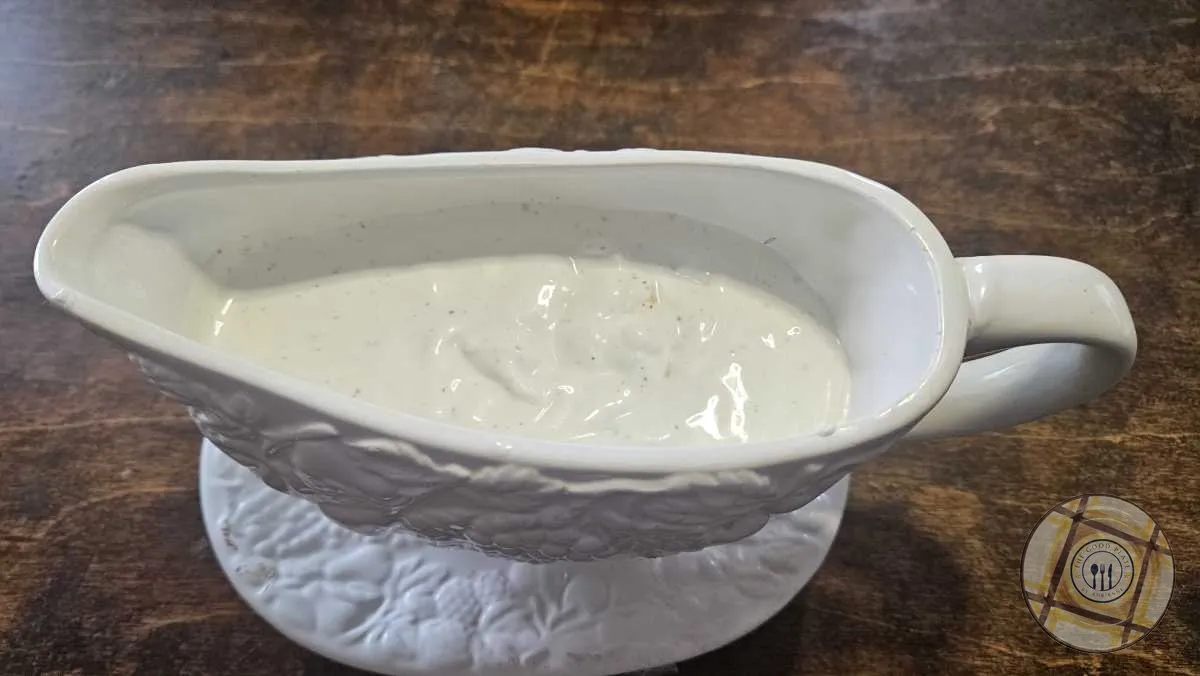
Our favorite Blue Cheese Dressing for Wedge and other salads, Buffalo Wings, burgers, or use it as a dip for fries or veggies.
This was my mother’s secret recipe for Blue Cheese Dressing. Why do I say secret? I say secret because she used an ingredient most people never think to put in dressing. Read on and you will find out what that ingredient is.
My mother used to make this dressing on special occasions. I would stand there hoping I would get a little nibble of cheese. If I had been really, really good, I got one. The blue cheese was expensive, and it came already crumbled. Most of it was dried out, so my mother was very picky about what pieces went into her dressing. Truthfully, I think I was the one who got the dried-out pieces.
Sadly, blue cheese dressing isn’t as popular as it used to be, mostly because Ranch has taken over the spotlight. Why did Ranch take the spotlight? Because people wanted to cut costs, and adding vinegar or artificial flavoring was less expensive, but ruined the taste. It’s why you only find real blue cheese dressing in steak houses and at fine dining restaurants. Even most bottled blue dressing adds a lot of ingredients, as seen in the Blue Cheese Ingredients Table.
Just five ingredients. That’s all my mother’s blue cheese dressing ever needed. For comparison? A bottle of Wishbone Blue Cheese Dressing1 lists 34 ingredients, including thickeners, artificial flavorings, and vinegar. No wonder it doesn’t taste the same. If you think you don’t like blue cheese dressing, this one might just change your mind.
Store Brands vs. Homemade Recipe: Ingredient List
Blue Cheese Dressings Ingredients Table (click to expand)
| Brand | No Ingredients | Ingredient List |
|---|---|---|
| Boswell Blue Cheese | 5 | Sour Cream, Mayonnaise, Blue Cheese, Black Pepper, Angostura Bitters |
| Paul Newman’s Own | 13 | Rapeseed Oil, Water, Sugar, Blue Cheese (Milk) (6%), White Wine Vinegar, Pasteurized Salted Egg Yolk (Egg Yolk, Salt), Concentrated Lemon Juice, Spirit Vinegar, Salt, Garlic Puree, Black Pepper, Blue Cheese Flavoring, Stabilizer (Xanthan Gum) |
| Ken’s Blue Cheese | 15 | Soybean Oil, Cultured Buttermilk, Blue Cheese ([cultured Pasteurized Milk, Salt, Enzymes, Penicillium Roqueforti], Natamycin [natural Mold Inhibitor]), Distilled Vinegar, Egg Yolk, Contains Less Than 2% Of Sugar, Salt, Mustard Flour, Dried Garlic, Xanthan Gum, Spice, Yeast Extract, Natural Flavor. |
| Kraft | 22 | Soybean Oil, Water, Vinegar, Blue Cheese (Pasteurized Milk, Cheese Culture, Salt, Enzymes), Sugar, Contains Less than 2% of Salt, Modified Food Starch, Natural Flavor Milk, Xanthan Gum, Potassium Sorbate and Calcium Disodium EDTA (to Protect Flavor), Phosphoric Acid, Polysorbate 60, Dried Onion, Dried Garlic, Lactic Acid, Spice, Cheese Culture, Enzymes, Artificial Color, Sodium Phosphate, Beta Carotene (Color). |
| Wishbone | 34 | Soybean Oil , Water , Blue Cheese Chunks [ Water , Aged Blue Cheese ( Milk , Cheese Cultures , Salt , Enzymes ) , Palm Oil , Soybean and Calcium Caseinates , Salt , Lactic Acid , Cellulose Gum , Sodium Phosphate , Potassium Sorbate ( Preservative ) , Xanthan Gum and Locust Bean Gum ] , Distilled Vinegar . Contains 2% Or Less Of : Each Of : the Following : Salt , Sugar , Sweet Cream , Buttermilk Powder , Egg Yolks , Blue Cheese ( Pasteurized Milk , Cheese Cultures , Salt , Enzymes ) , Maltodextrin , Modified Corn Starch , Whey ( Milk ) , Phosphoric Acid , Xanthan Gum , Yeast Extract , Color Added , Sodium Benzoate and Sorbic Acid and Calcium Disodium EDTA ( Used to protect quality ) , Spice , Natural Flavor , Disodium Inosinate , Disodium Guanylate |
Blue Cheese
Having to use dried out pieces is no longer an issue. You can get a half a pound block of cheese usually for less than the crumbled variety. Blue cheese is great on or stuffed in burgers, on a cracker, or my favorite, on a slice of Barbari bread.
It’s also not a problem if the cheese doesn’t come crumbled, a small food processor does a fine job of crumbling and mixing the dressing for you. I can recommend the *Braun Food Processor, available on Amazon, which has a small bowl that fits into the big one.
Blue cheese is believed to have originated accidentally in Europe when cheeses stored in caves were exposed to mold. The oldest varieties include France’s Roquefort (made with sheep’s milk), Italy’s Gorgonzola, and England’s Stilton.
The first known recipe for blue cheese dressing appeared in the 1928 Edgewater Beach Hotel Salad Book, where it was referred to as Roquefort dressing. By the 1930s, blue cheese dressing gained popularity through the famous cookbook, *The Joy of Cooking by Irma Rombauer. Over time, the dressing became a staple in American cuisine, especially as a companion to Buffalo wings and crisp salads.
Danish blue cheese—developed in the early 20th century—is known for being milder and creamier than its predecessors. It’s a cow’s milk cheese, rich in butterfat, with a smooth, spreadable consistency that makes it perfect for blending.
Other blue cheese options for dressing:
- Roquefort: sharper, more pungent
- Stilton: firmer, nutty
- Gorgonzola Dolce: creamy and mild
- Cabrales (Spain): strong and spicy, for bold palates only
The Secret Ingredient
Have you figured out what the secret ingredient is? It’s Angostura Bitters. You can find them in the liquor section of the supermarket. Do they have alcohol? Yes, but it’s a tiny amount and not for drinking, just enough to keep it fresh.
Yes, bitters. The same kind you’d use in a Manhattan.
Angostura bitters were invented in 1824 by Dr. Johann Siegert in Venezuela. Originally used to soothe stomach ailments, today they’re known for adding depth to cocktails and—surprisingly—dressings. This concentrated blend of herbs and spices lifts the flavor of blue cheese and balances the creaminess without stealing the spotlight.
Just a few drops, and your dressing becomes something more.
Storage, Serving, and Substitutions
Storage Tips:
Store your dressing in a tightly sealed jar or container in the fridge for up to 5 days. Stir well before using. Do not freeze.
Serving Ideas:
- Spoon over an iceberg wedge with tomatoes, avocado, and crispy bits
- Drizzle on grilled steak or burgers
- Serve alongside a basket of Buffalo wings
- Use as a dip for carrot sticks, celery, or seasoned fries
- Spread on Barbari bread or a roast beef sandwich
Substitutions
Can I use crumbles instead of a wedge?
You can—but you’ll lose texture and flavor. Wedges are fresher and creamier.
Greek yogurt works, but you’ll get more tang and less richness. My mother used sour cream for a reason.
Is there a substitute for bitters?
Nothing quite matches the flavor. You could try a drop of Worcestershire in a pinch, but the depth won’t be the same
Can I lighten it up with yogurt?
Greek yogurt works, but you’ll get more tang and less richness. My mother used sour cream for a reason.
Blue Cheese Dressing – The Secret Recipe
Email Me the Recipe
Enter your email address and we will send it straight to your inbox.
Blue Cheese Dressing
Tips from the Chef
Equipment

If you purchase any of the products through these affiliate links, I get a few pennies that help keep The Good Plate open. I use these products myself and want you to be able to easily find them.
Ingredients
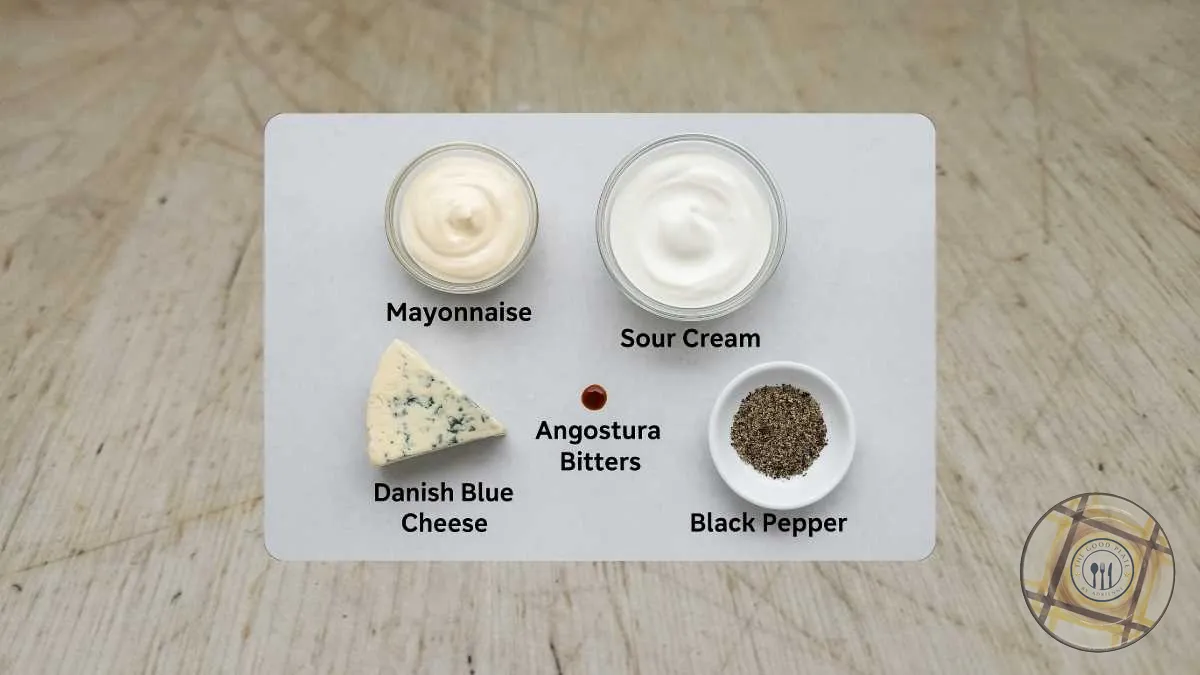
- 2 tablespoon *Blue cheese, Danish blue cheese preferred
- ½ cup Mayonnaise

- ½ cup Sour cream
- 3 drops Angostura Bitters
- Black pepper, freshly ground
Instructions
- Mise en place
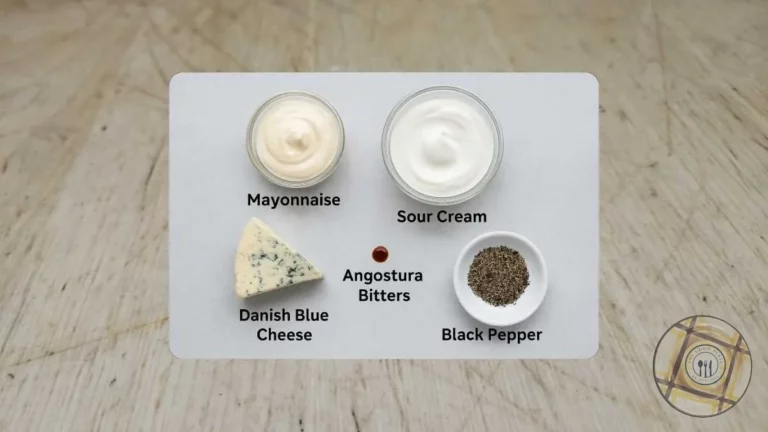
- 2 tablespoon Blue cheese, 1/2 cup Mayonnaise, 1/2 cup Sour cream, 3 drops Angostura Bitters, Black pepperCombine all ingredients in a small food processor, or bowl and mix thoroughly.
- Put it in the refrigerator to keep it cool and let flavors develop further – about 5 minutes.
Nutrition
- Wishbone Ingredients – https://smartlabel.congra.net/041321006029-0002-en-US/index.html#ingredients ↩︎
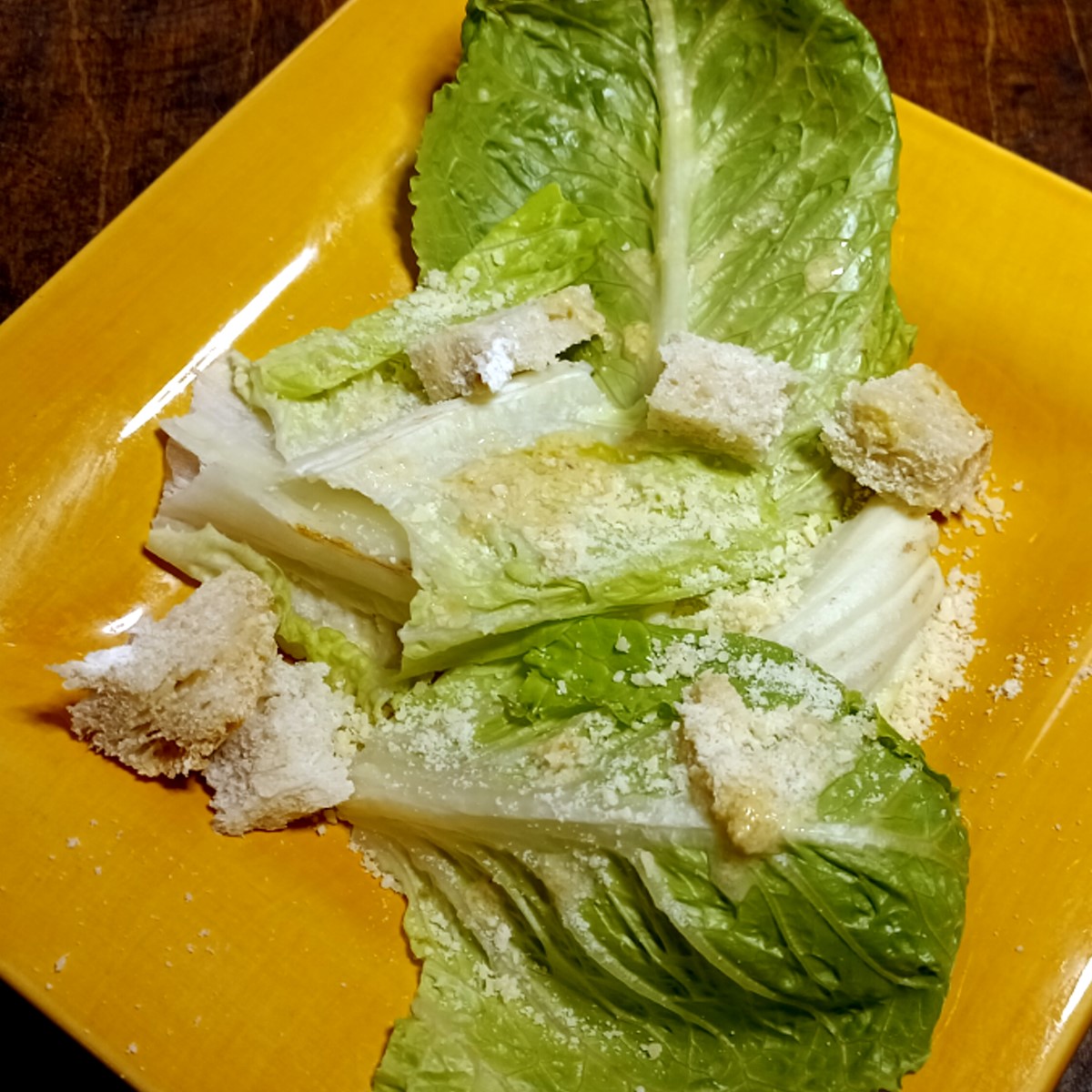
Thank you for sharing this recipe