Summary
Make naturally colored Easter eggs using onion skins and cranberry black tea in the Instant Pot. The eggs are wrapped in onion skins and cheesecloth to create a marbled pattern, then cooked briefly under pressure. The natural dyes produce warm red and brown tones, and a light coating of oil enhances the color. The eggs can be used for Easter decoration or eaten later in dishes like deviled eggs.
What’s on Your Plate
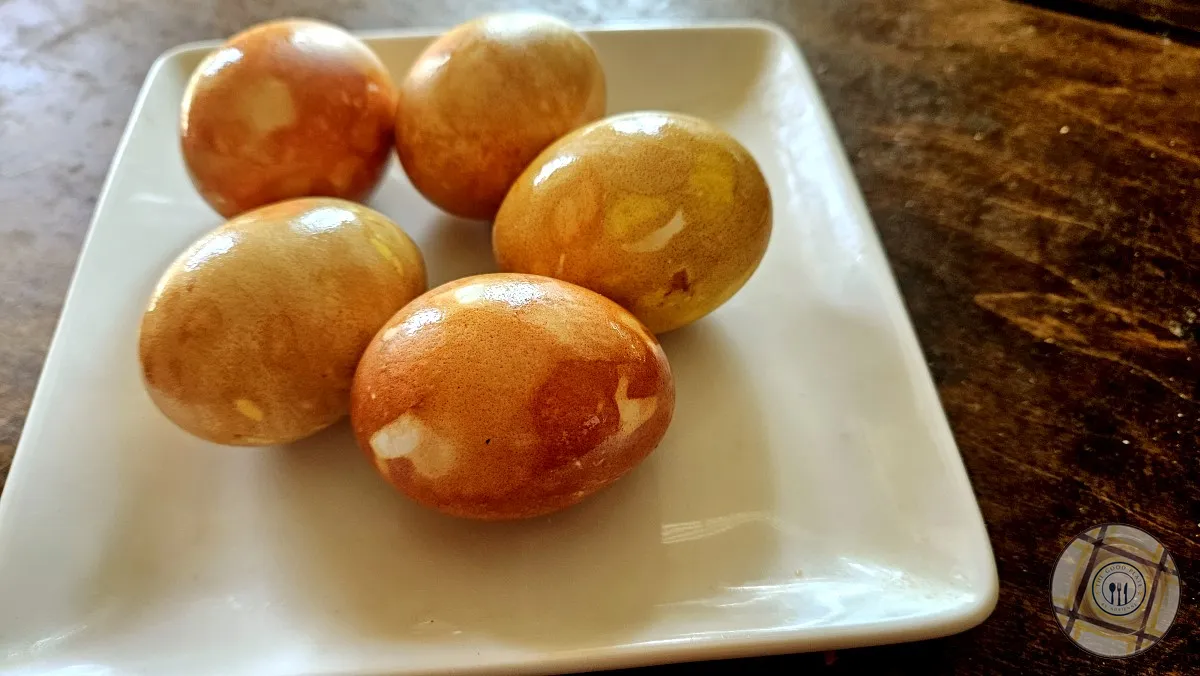
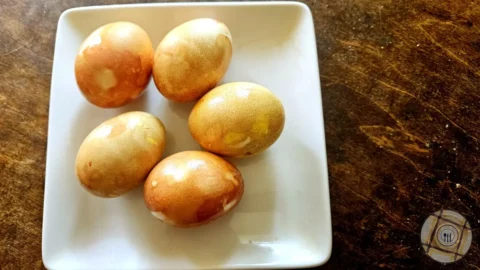
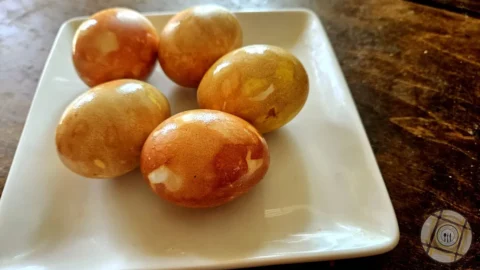
These naturally colored Easter eggs are made with onion skins and cranberry black tea for beautiful marbled shells. Wrapping the eggs in cheesecloth holds the onion skins in place, while the Instant Pot cooks them perfectly in just a few minutes. A light coating of neutral oil brings out the color and shine. Once admired, the eggs are perfect for deviled eggs, egg salad, or sandwiches.
I first learned about coloring eggs naturally when I moved to Glendale. A kind Armenian shopkeeper had several beautifully marbled eggs sitting on her counter around Easter. When I asked how she made them, she laughed and said it was very simple. She wrapped the eggs in onion skins and cooked them. That was the whole method.
Later I experimented with the technique and added cranberry black tea. Cranberries are famous for their staining power, and the tea deepens the color of the eggs beautifully. The result is a striking natural marbling effect that looks far more complex than the process actually is.
With the help of the *Instant Pot, these eggs cook perfectly every time and peel easily afterward. Once finished, a light coating of neutral oil brings out the natural shine of the shells.
A Brief History of Natural Egg Dyes
Long before commercial food coloring existed, people dyed eggs using materials from their kitchens and gardens. Natural dyes from vegetables, fruits, and spices were common across Eastern Europe, the Middle East, and parts of Asia.
One of the most widely used ingredients was onion skins. Both yellow and red onion skins contain natural pigments that easily stain eggshells, creating warm amber and brown tones. Because the skins cling unevenly to the egg when wrapped, they naturally create the marbled patterns people love.
Other traditional dye ingredients included:
- Beets for pink and deep ruby colors
- Red cabbage for blue and lavender tones
- Turmeric for bright yellow
- Berries or hibiscus for deeper reds and purples
These dyes were typically simmered in water and the eggs were cooked directly in the colored liquid. Families passed down their own methods for wrapping eggs in leaves, onion skins, or herbs to produce unique patterns.
The method used here follows that same tradition, but with a modern twist. Instead of boiling the eggs on the stove, the Instant Pot provides consistent heat and timing, making the process faster and more reliable.
Why Naturally Colored Easter Eggs Work
The success of this method comes from combining two natural dyes. Onion skins provide a warm brown base and create the marbled pattern because the pieces of skin press unevenly against the shell. Cranberry black tea deepens the color. Cranberries contain strong natural pigments that stain surfaces easily. Anyone who has spilled cranberry juice knows how powerful that color can be.
When the eggs cook in the tea with the onion skins pressed against them, the pigments transfer to the shell and create the beautiful natural marbling.
Finally, a light coating of neutral oil enhances the color and gives the shells a soft shine.
Common Mistakes and Gotchas
A list of common mistakes and Gotchas
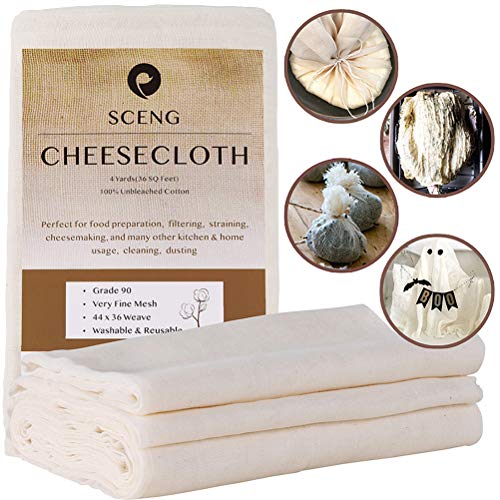
- First, use fine cheesecloth. Loose fabric can allow the onion skins to shift and reduce the marbling effect.
- Second, make sure the onion skins are pressed firmly against the egg before wrapping.
- Third, remember that natural dyes are unpredictable. Each egg will be slightly different. That variation is part of the charm of natural dyeing.
- Finally, be careful with cranberry or beet dyes around countertops and cutting boards. These pigments stain easily.
Serving and Storage
Serving
Once the eggs have been admired and displayed, they are ready to eat.
One of the best ways to use them is to turn them into Deviled Eggs. The naturally colored shells make a beautiful presentation on an aster table. Try our recipe for Deviled Eggs.
These eggs are also excellent for:
- Egg salad sandwiches
- Sliced eggs on salads
- Simple snacks with a little salt and pepper
Because they are hard-boiled eggs, they fit easily into many meals after the holiday. You can even save the shells as extra nutrients for your plants – just make sure there is no salt.
Storing
Hard-boiled eggs should be stored in the refrigerator.
- Refrigerate within two hours of cooking.
- Store in a covered container.
- Use within one week for best quality.
If the eggs are peeled for deviled eggs or egg salad, store them in an airtight container and use within three to four days.
FAQ
Do I have to use an Instant Pot?
No. This method can also be done on the stovetop by simmering the eggs in the dye bath. The *Instant Pot simply makes the process faster and more consistent. Have a look at our Silk Dyed Easter Eggs for the best way to do this.
Why use cheesecloth?
Cheesecloth keeps the onion skins tight against the egg so the dye creates the marbled patterns instead of coloring the shell evenly. If you don’t have cheesecloth, you can use old white sheets or pillowcases or white shirts.
Can I use other teas?
Yes. Berry teas, hibiscus tea, or pomegranate tea can produce deeper red tones.
Do brown eggs work for this method?
They will work, but white eggs show the color much more clearly.
Why rub the eggs with oil?
A tiny amount of neutral oil enhances the color and gives the shells a soft shine, similar to traditional Easter eggs.
Step by Step Photos
NAME OF FOOD Recipe
Email Me the Recipe
Enter your email address and we will send it straight to your inbox.
Naturally Colored Easter Eggs Instant Pot
Equipment


Supplies
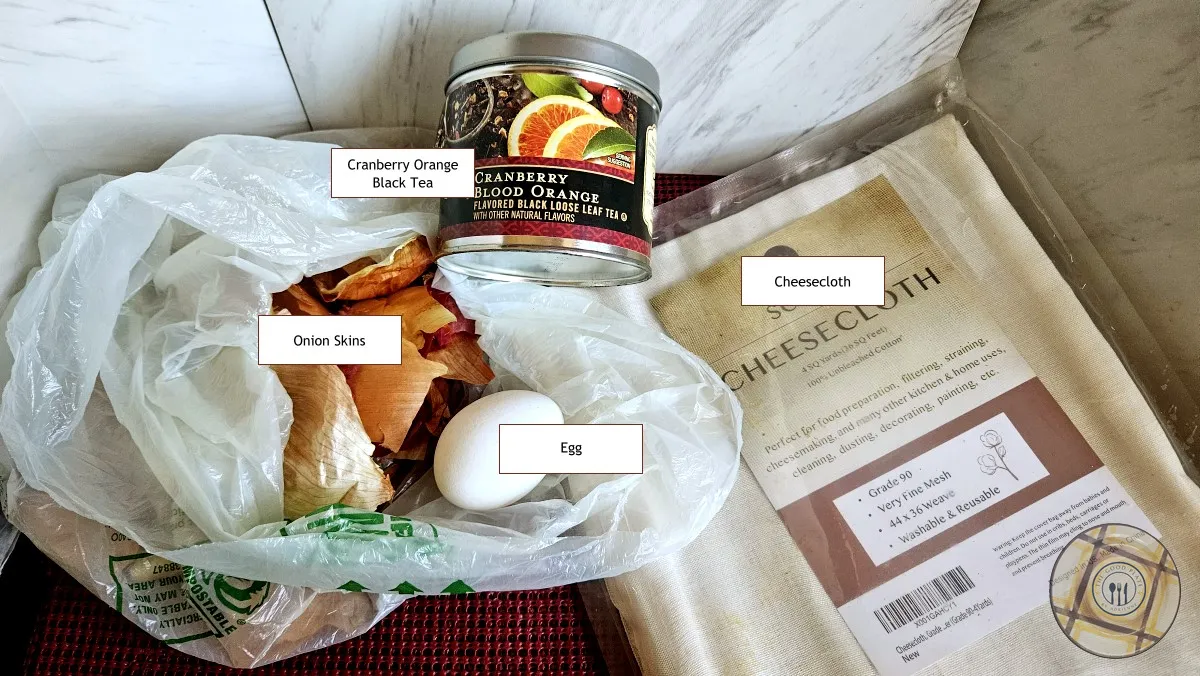
- 5 eggs
- onion skins
- cranberry black tea loose
- water
- Safflower Oil or other neutral oil
Instructions
- Gather ingredients
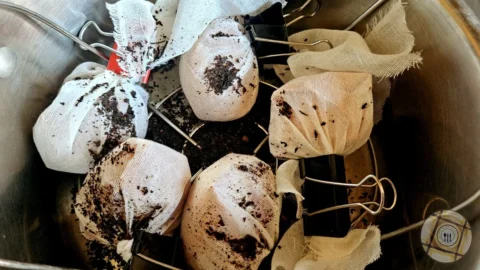
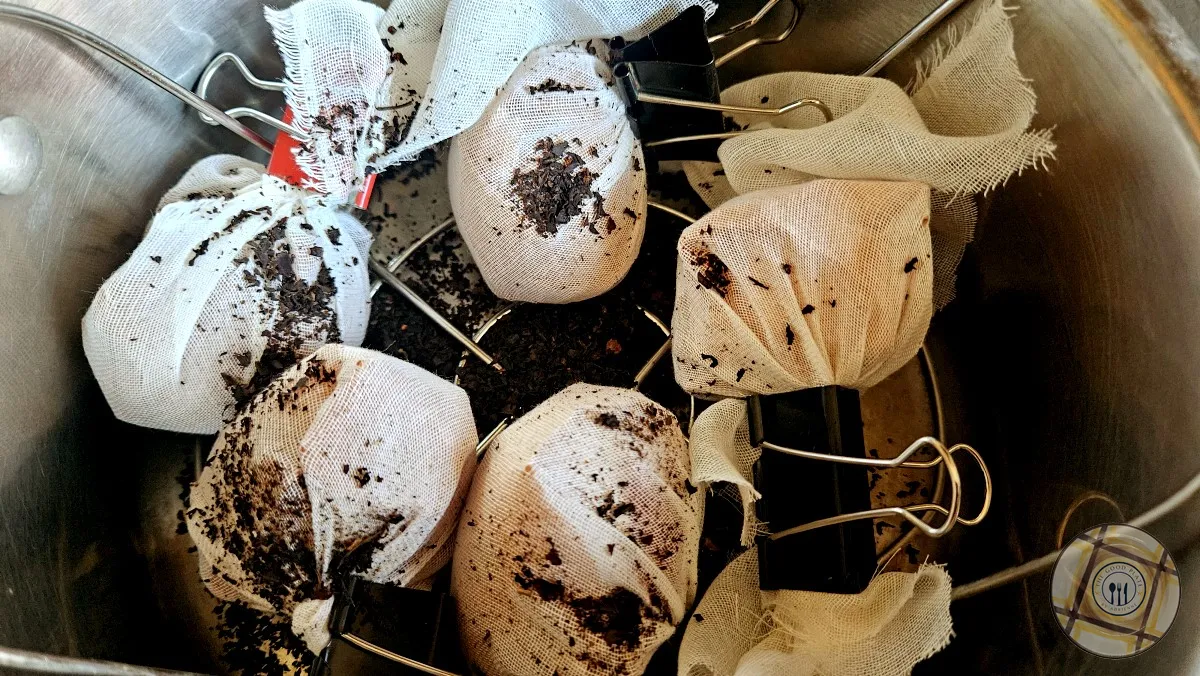
- Wrap egg in onion skins, wrap onion skins in cheesecloth. Secure with binder clips.5 eggs, onion skins
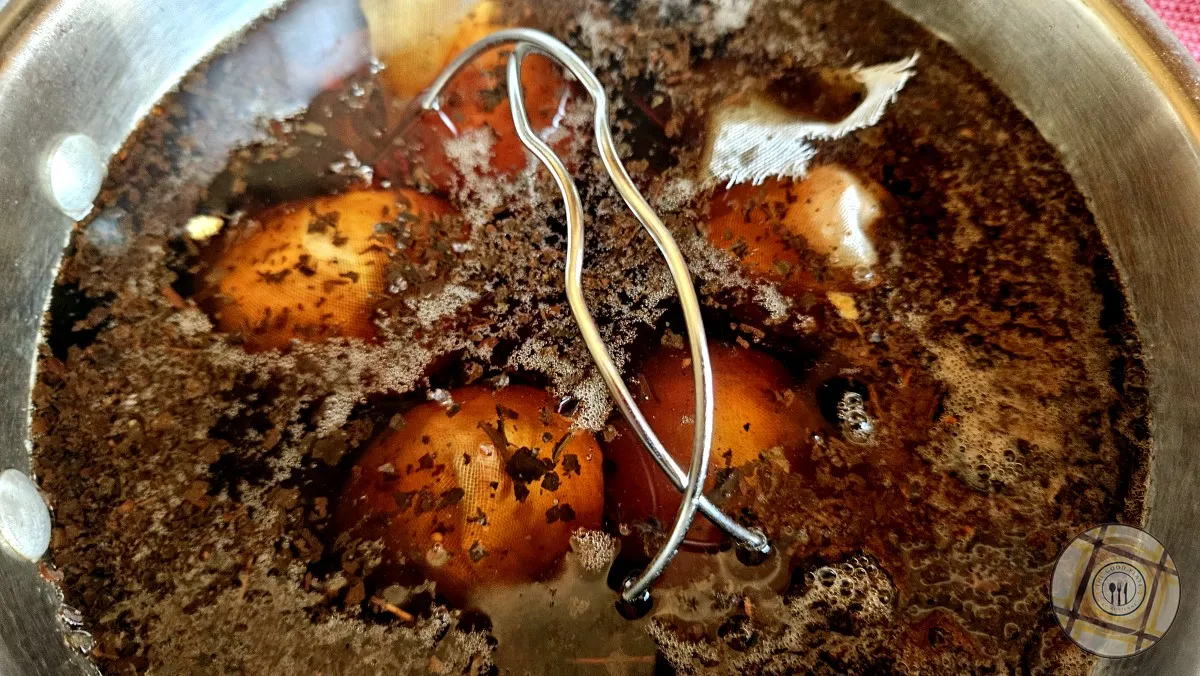
- Use the steamer insert for your Instant Pot. Put the wrapped eggs in the inner pot of the Instant Pot. Generously put loose tea over the eggs.cranberry black tea
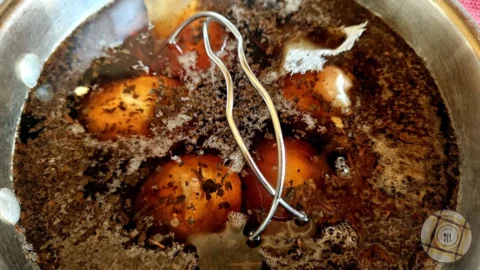
- Add water to cover.water
- Seal the pot. Set the Instant Pot for eggs, about 5 minutes on high. Let the pot natural release for at least 5 minutes.
- Remove the eggs from the pot and let them cool.
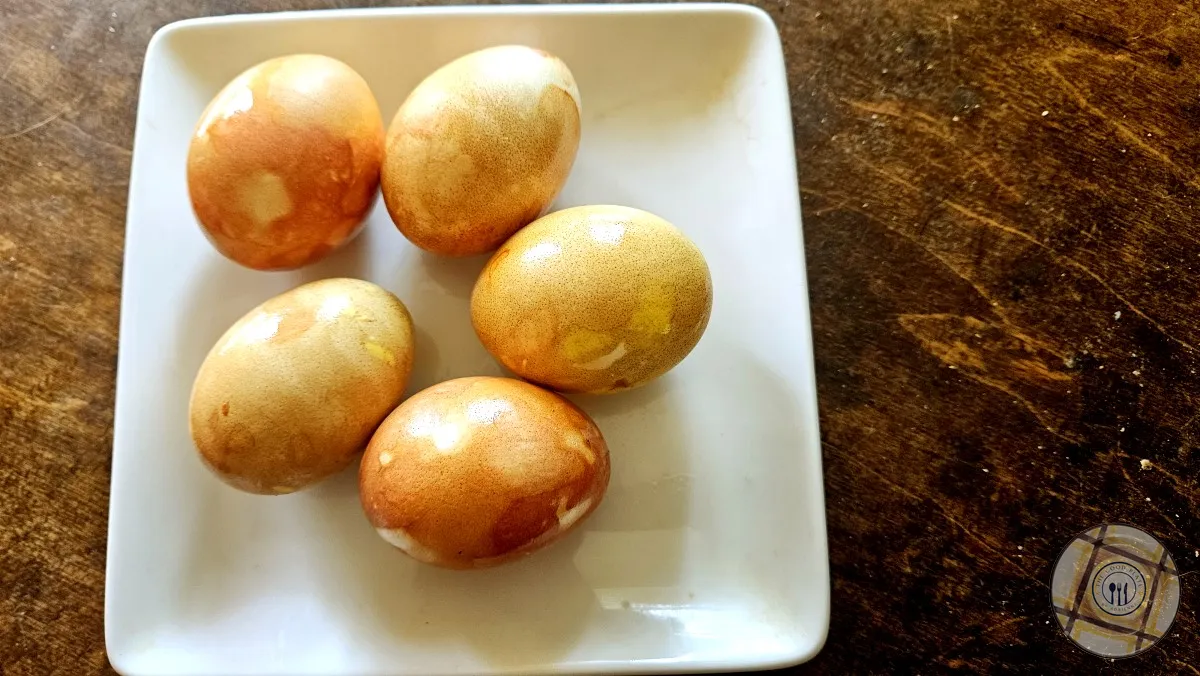
- When the eggs are cool enough to handle, remove the cheesecloth and onion skins and wipe the eggs.
- Admire your handiwork.
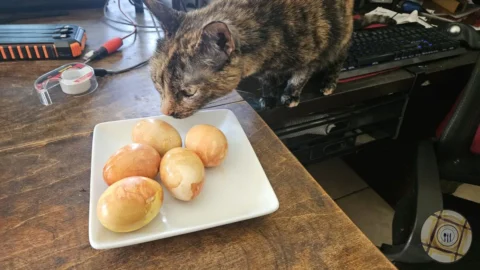
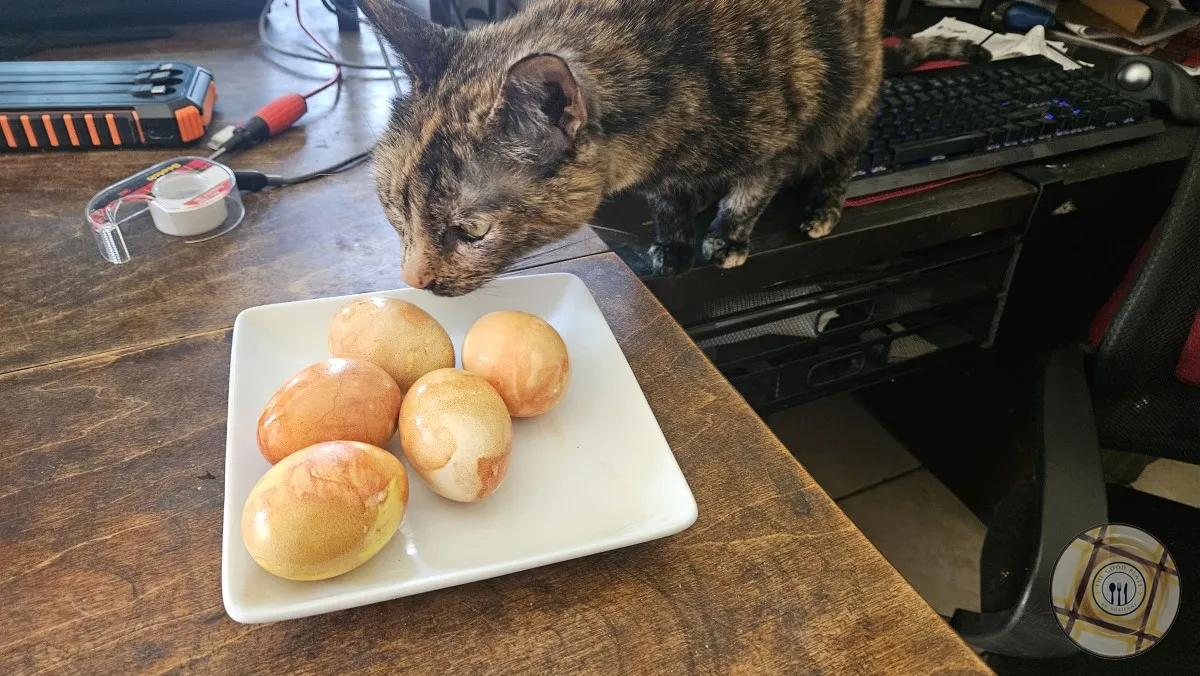
- Wipe the eggs lightly with a neutral oil to make them shiny.Safflower Oil
Transcript of NAME OF RECIPE
Transcript
Good afternoon and welcome to the Good Plate’s Kitchen.
Today I want to talk to you about naturally colored Easter eggs in the Instant Pot.
Yes, that’s right, the Instant Pot.
So this is really quick and real easy.
And the best part is you have both of the ingredients in your house already.
Okay. First, we’re going to talk about the ingredients.
The ingredients are eggs, of course. And onion
skins that you can get from
And your grocery for free or just take out of your pantry.
And cranberry black tea and cheesecloth.
You want to use a fine cheesecloth so that everything stays together.
Now this is really, really simple.
And let’s talk about why we’re going to use
the particular ingredients that we’re using.
Onion skins make a beautiful marble look.
I learned this when I first moved to Glendale from the lovely shopkeeper who
happened to have some eggs on her counter at
Easter time. And I was like, how do you make those?
And she said, oh, it’s very simple.
You just take the onion skins and wrap the eggs in them and cook them.
And that’s it, done.
So then I was like, wait a minute, I want to make them not so brown.
So I used cranberry black tea.
And the cranberry, as you know, all you need to do is spill cranberry
juice on anything white and boy does stain!
So we were using cranberry black tea and the
eggs and the onion skins at the cheesecloth.
And that’s it. It’s very simple.
Cut a piece of cheesecloth.
A little large about twice or three times larger than the egg.
And you put the onion skin around the egg tightly.
And then put the cheesecloth around that onion
skin and secure it.
Put it in your instant pot with the tea.
Put the tea on top.
Put the water. Put it on for five minutes.
Let it do natural release for about five minutes.
And then do quick release for the rest if it hasn’t done it in five minutes.
And then all you have to do is when the eggs
are cooling enough, just remove the cheesecloth.
And you can take a little bit of of neutral oil and
rub it on the eggs to make them look shiny and pretty.
When you’re done looking at them and admiring them, it’s very, very simple.
Just use them for Deviled Eggs.
We have a great recipe for Deviled Eggs on The Good Plate.
Or you could use it for the sandwich or something like that.
And I want to thank you and wish you a wonderful, wonderful holiday season.
And we’ll see you next time on The Good Plate.
Remember, ever forward, ever flavorful, yum, yum.