
Deboning a turkey might sound intimidating, but once you’ve done it, you’ll wonder why you ever roasted one with the bones intact. Removing the bones allows the meat to cook evenly, hold flavor-packed fillings, and slice beautifully at the table. Whether you plan to roll it with pesto, stuff it with dressing, or prepare it for sous vide, this method gives you total control over texture and presentation.
This method comes straight from my book, *Talking Turkey: The Essential Guide to Preparing the Perfect Bird1. In it, I cover everything from thawing and timing to carving and serving — but this page focuses just on the deboning process so you can master it with confidence.
Equipment and Tools
Here are the tools I use when deboning a turkey — each one makes the job safer and easier.
Our Picks
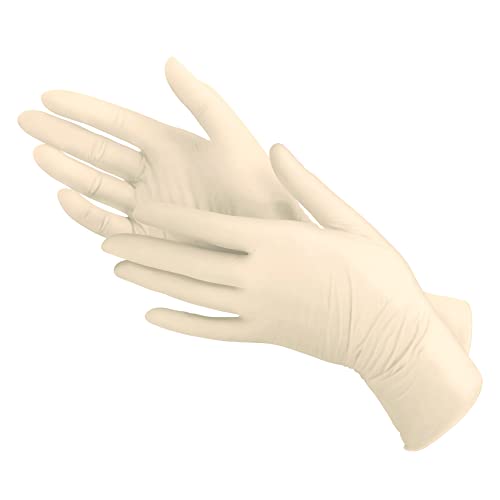



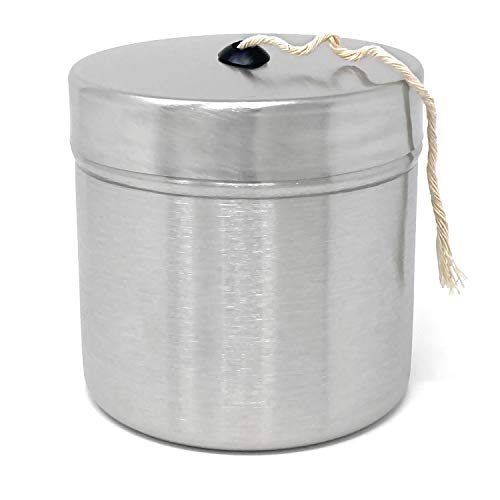
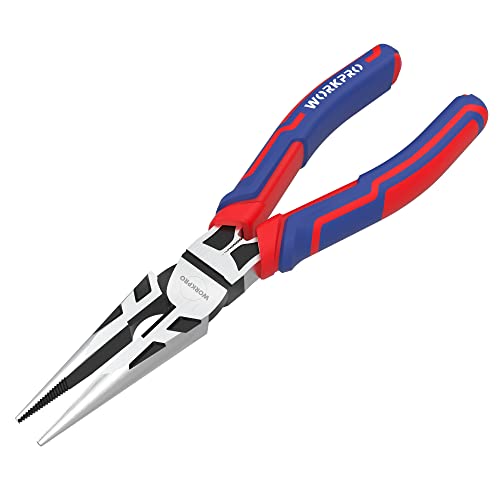
If you purchase any of the products through these affiliate links, I get a few pennies that help keep The Good Plate open. I use these products myself and want you to be able to easily find them.
Step-by-Step Instructions
Before we start, make sure your bird is well-chilled but not frozen solid — cold meat is easier to cut cleanly.
Prepare yourself
Make sure you have allotted yourself enough time to do this. It should take you from 30 minutes to 1 hour depending on your skill and equipment. Be sure that you are not going to have any distractions – you don’t want to have to be answering your phone when your hands are delicately cutting around bones. Also, make sure your pets are securely out of your work area because they will be very interested in what you are doing.
Wear an apron. No matter how careful you are, you are bound to get turkey juice on yourself. I have a that I love because it has lots of pockets and the string wraps in front so it’s easy to tie and fully protects you. Stuff some *gloves in one of the pockets, and you’ll be ready for whatever happens in your kitchen.
Speaking of gloves, I highly recommend *medical food-grade exam gloves. Yes, the kind of gloves the doctor or nurse wears when examining you. First, gloves protect your hands and they also prevent cross contamination. If you are like me, and don’t like the texture of raw poultry, these gloves are a godsend.
Also, prepare yourself mentally. You are going to be like a surgeon, separating flesh from bone. If you’re squeamish, let your butcher do it for you.
Prepare Your Workspace

- Gather all your supplies. Have a roll of paper towels ready. Don’t think you are going to only need a few, and don’t think you’re going to have enough time to race across the kitchen to get more towels when juice is going to drip on the floor.
- Have a large bowl in place for the bones. You will want to save the bones to make stock.
- Make sure your knife is sharpened. Don’t try to start deboning with a dull blade. You don’t want dinner in the hospital.
- Place the turkey breast-side down on a sturdy cutting board. Pat dry with paper towels to reduce slipping. Make sure you have enough room to maneuver — this is hands-on work.
Remove the Wings
The easiest way to debone a turkey is to remove the wings first. Bonus! Giant Buffalo Wings!
Think about your own arms and rotator cuff. It’s where the arm connects with the chest. Roll the wing around the joint until you hear a snap. The wing will loosen at that point, and that’s where you need to cut. Make a clean cut and set the wings aside.

Loosen the Skin
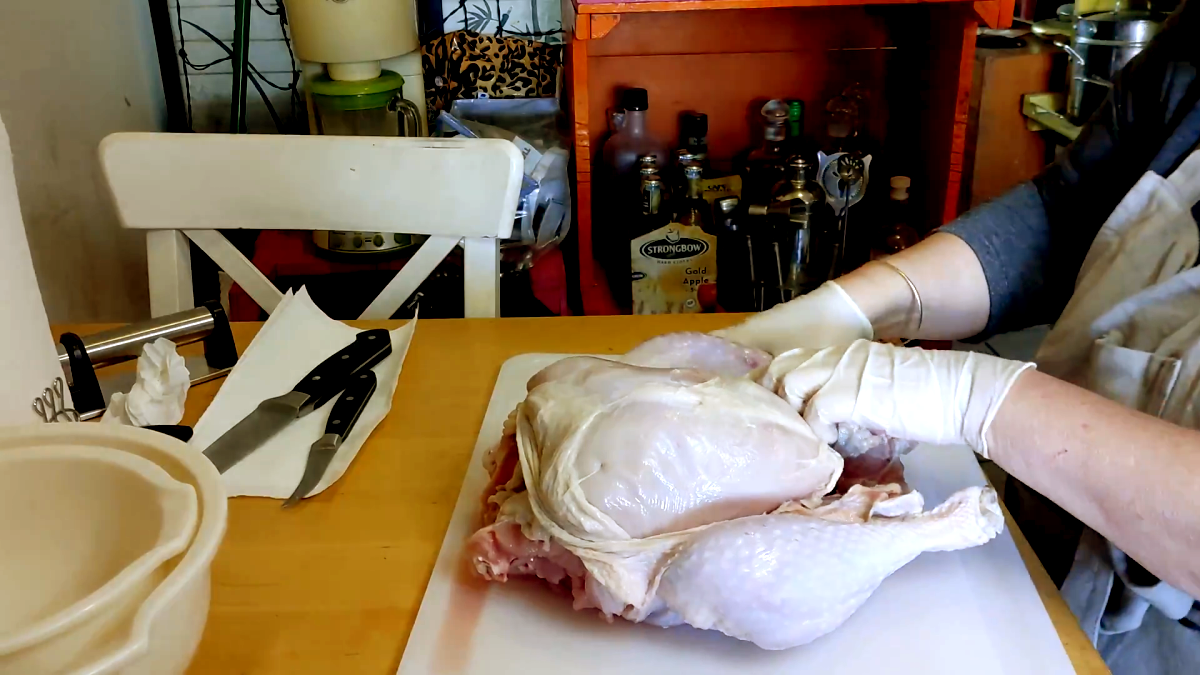
Gently run your fingers under the skin around the breast and thighs to loosen it.
If it tears, don’t worry — it can be rewrapped or tied later.
Start at the Breast
- With the bird breast-side up, locate the breastbone.
- Use your boning knife to cut along one side, staying close to the bone.
- Work slowly, using the tip of your knife to separate the meat from the ribs. This is the step that keeps the skin intact and gives you a smooth surface later.
- Remove the Wishbone and Neck Area
- As you work up toward the neck, you’ll encounter the wishbone. Remove it carefully for easier slicing later.
- Trim any connective tissue or cartilage near the neck.
Separate the Legs and Thighs

- Pop each leg joint by bending it back gently until it releases.
- Then, slice through the connective tissue following the natural seam.
- Debone the Thighs
- Run your knife along the thigh bone, scraping the meat off as you go.
- When you reach the joint between thigh and drumstick, cut through tendons and remove both bones.
- The long white tendons are slippery and a PITA to remove. The best tool to use is a pair of pliers.
Save the Oysters!
Remember the small pockets of dark meat on the back — called oysters. They are tender and flavorful. They’re the cook’s treat, so save them for yourself after dinner or a midnight snack.
Clean and Flatten
Remove any remaining small bones, fragments, or extra fat.
You should now have a flat sheet of turkey meat, skin side down and ready to season. From there you have a lot of choices.
Why This Method Works
By removing the bones, you allow even heat transfer through the entire bird. There’s no hollow cavity or bone mass to slow cooking. The meat stays moist, and carving becomes effortless. You will be able to serve elegant slices instead of awkward sections. Because you are likely to roll the turkey, everyone seems to gets a perfect bite of their favorite part.
Serving and Storage
Cook the deboned turkey within 1–2 days or freeze it securely wrapped for up to 3 months. We have a few recipes you are welcome to use that make a show-stopping deboned turkey presentation.
Always cook poultry to an internal temperature of 165°F (74°C), as recommended by the USDA Food Safety and Inspection Service2.
FAQ About Deboning Turkey
Can I debone a partially frozen turkey?
It’s safer and easier when completely thawed. If partially frozen, the knife can slip. Use the sous vide defrosting method to soften it first.
What’s the best knife for to debone turkey?
A flexible boning knife allows you to follow the contours of the bones without tearing the meat. You will also want a sharp Chef’s knife to handle parts the boning knife cannot handle, like separating joints.
Do I need to remove all the bones for deboned turkey?
For roulades or stuffing, yes. For spatchcocking, only remove the backbone.
Can I use turkey bones for stock?
Absolutely. You can make stock on the stove top, but it’s even easier if you make it in the Instant Pot. Roast the bones first for deeper flavor.