What’s on Your Plate
This budget-smart copycat glaze — built from pantry staples and a block of piloncillo — delivers that iconic lacquered, caramelized crust you thought you could only get from a $90 mail-order ham.
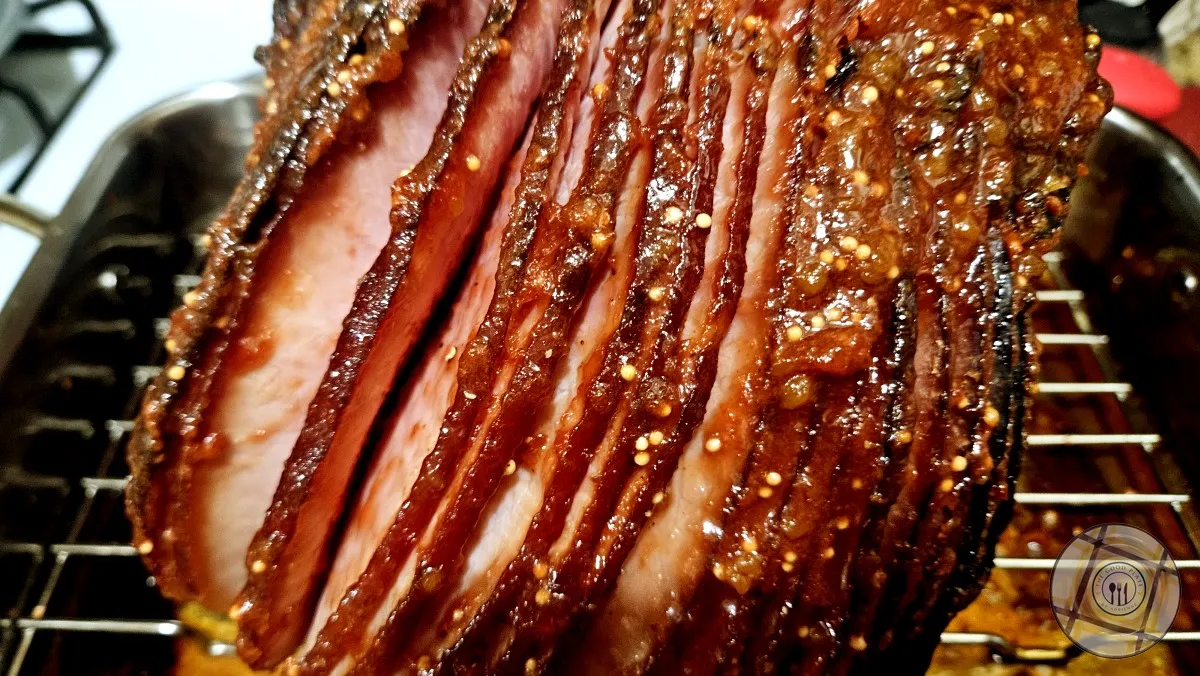
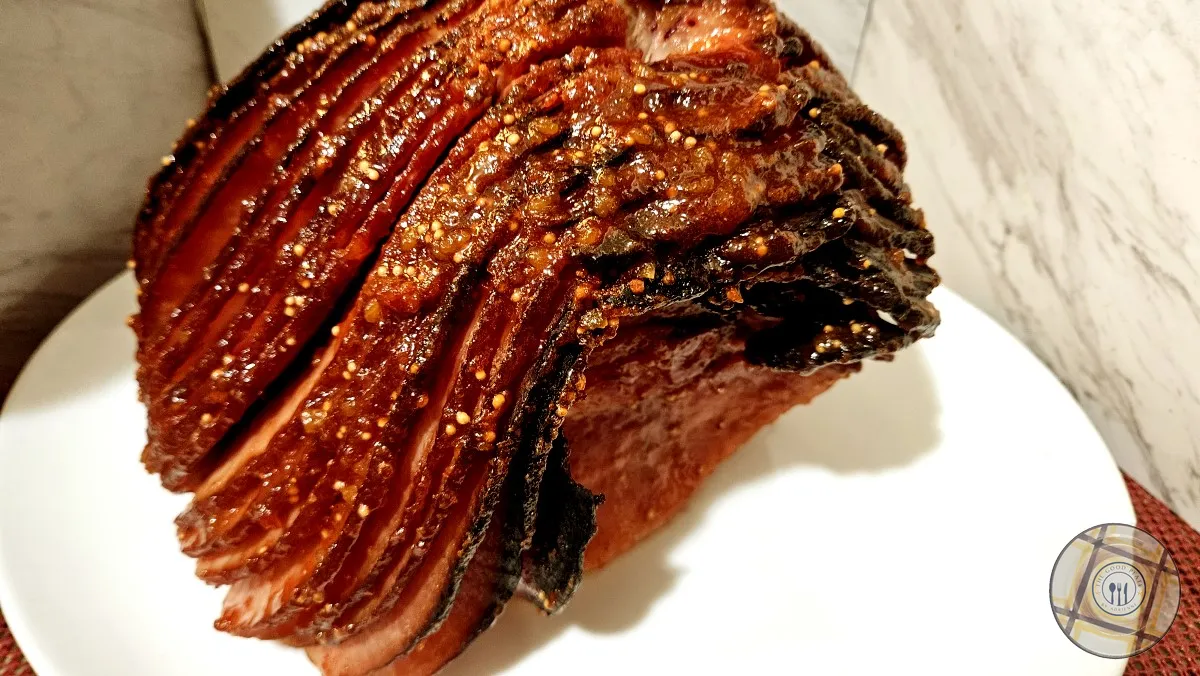
Every holiday season people order online or line up outside The Honey Baked Ham Company stores to pick up their famous spiral-sliced ham. It has become a tradition in many households. The signature appeal is that sweet, caramelized glaze that melts into the slices and creates that glossy, sticky coating everyone loves. The crust is the thing; an amber, crackly, sweet-and-savory shell that shatters when you slice through it. People pay a lot of money for that crust. You don’t have to.
That flavor profile is surprisingly approachable at home and a lot less expensive. This glaze will also work beautifully with other foods, roast turkey legs, loin pork, or a duck breast with its fat cap that creates a crisp shell keeping the meat from getting dry.
Piloncillo
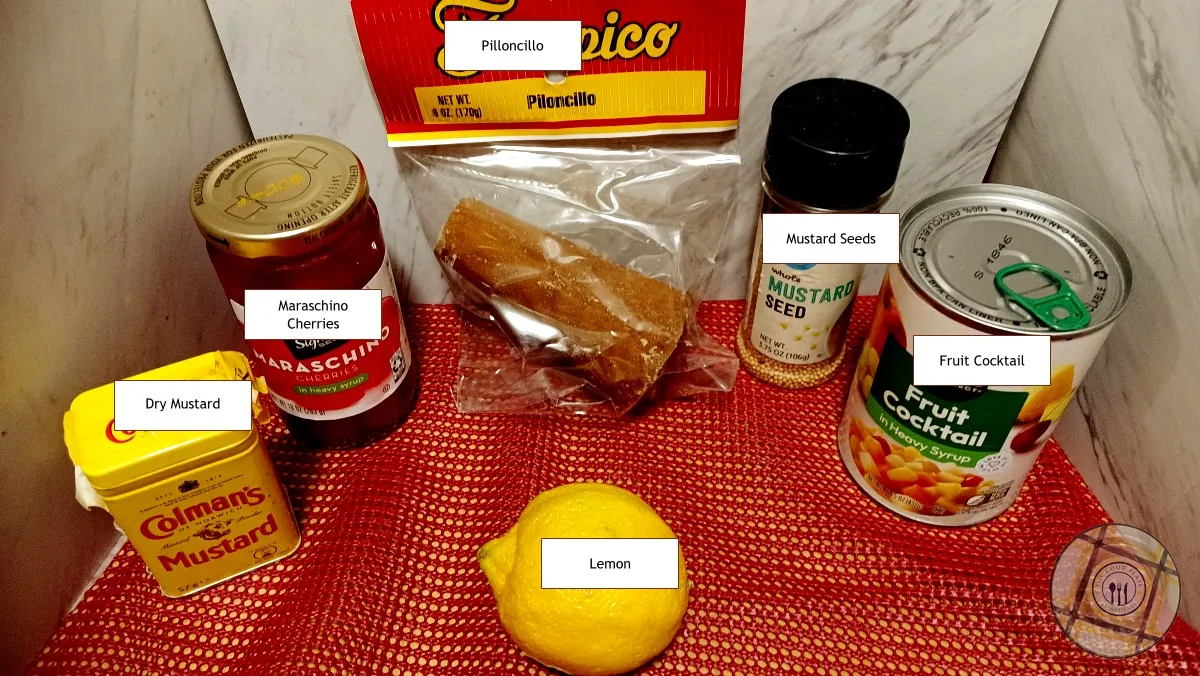
Piloncillo is unrefined whole cane sugar, sold in hard cone or block form, and it is one of the most underused ingredients in the American pantry. It has been produced in Mexico since the colonial era, when Spanish settlers introduced sugarcane cultivation and the technique of pressing raw juice into molds to harden. The name comes from the Spanish word for “little pylon,” a reference to its distinctive cone shape. What makes piloncillo different from brown sugar is what’s still in it. Brown sugar is refined white sugar with molasses added back in. Piloncillo has never been refined — the molasses, minerals, and natural complexity are all still present from the original cane. The flavor is deeper, slightly smoky, with notes of toffee and dark caramel that brown sugar simply doesn’t have. For this glaze, that complexity is exactly what you want. It is what gives the finished crust its color and depth. You can find piloncillo in the Latin foods aisle of most large grocery stores, at any Latin market, and *online. A 6-ounce package is inexpensive and this recipe uses half of one, so you will have plenty left over. It keeps indefinitely in a cool, dry place.
Fruit Cocktail
Why fruit cocktail? Because candied fruit is difficult to get most of the year. If you still have some left over from making Chocolate Fruitcake or Fruitcake Fudge, please use it. You could also use dried fruit that is completely rehydrated.
Why Honey Baked Ham Copycat Glaze works
This glaze succeeds because of fat and sugar working together. The natural fat in a spiral ham, duck, goose, fresh ham, or pork loin creates the base for caramelization. As the sugars in the glaze hit the hot oven, they bond with the rendered fat and form a lacquered shell around the meat — crispy on the outside, deeply flavored all the way through. The mustard cuts the sweetness and adds complexity. The fruit provides pectin, which helps the glaze set and stick rather than slide off. Going on at 325°F * (162 C) gives the glaze time to caramelize slowly without burning. The bump to 350°F (176 C) at the end drives that final color and crunch. Pulling the ham 10 degrees before your target temperature and letting carryover heat finish the job keeps the meat moist. It’s a simple technique but it makes a real difference. This glaze works on anything fatty enough to form that crust: spiral ham, fresh ham, pork loin, turkey leg, duck breast, or goose. One recipe, many occasions.
Common Mistakes and Gotchas
A list of common mistakes and Gotchas
- Do not puree the fruit mixture. A rough chop in the food processor is what you want — you need texture in the glaze so the fruit bits caramelize directly onto the surface of the meat. A puree will behave more like a sauce and won’t give you that crust. Pulse it, check it, stop when it looks chunky.
- Keep that reserved fruit cocktail syrup nearby while you work. If the mixture looks dry in the food processor, add a splash. If you’re using prepared mustard, you probably won’t need it at all.
Serving and Storage
Serving
This glaze is designed to be brushed or mopped over a spiral-sliced ham before reheating. The thin texture allows it to run between the slices so the flavor penetrates the meat as it warms.
As the ham roasts, the sugars caramelize and create the glossy coating associated with honey baked ham.
While ham is the classic use, this glaze also works well with other rich meats such as roasted turkey legs, duck, or pork loin. Apply it during roasting so the natural sugars have time to caramelize.
Storing
If making the glaze ahead of time, store it in an airtight container in the refrigerator for up to 3–4 days.
Before using, stir well and bring it to room temperature so it spreads easily over the meat.
Because the glaze contains fruit and sugar, it may thicken slightly when chilled. If needed, loosen it with a small amount of water or citrus juice before applying.
FAQ
Can I use brown sugar instead of piloncillo?
You can, but the flavor will be flatter. Piloncillo has a genuine depth that brown sugar approximates but doesn’t match. If piloncillo is unavailable, use dark brown sugar and accept that the result will be good but not quite the same.
Can I use prepared whole grain mustard instead of dry mustard and mustard seeds?
Yes. Prepared mustard already contains vinegar and liquid, so your glaze mixture will be looser. Start with less and add the reserved fruit syrup only if needed. You likely won’t need the optional vinegar splash if you go this route.
What if the glaze tastes too sweet?
A small splash of white or apple cider vinegar will balance it out. This is especially useful if you’re using dry mustard rather than prepared, since dry mustard lacks the vinegar tang that prepared mustard brings.
Why fruit cocktail?
The original version of this recipe used candied Christmas fruit soaked in water — the kind that shows up in stores in November and disappears by January. For an Easter ham, that’s usually not available. Canned fruit cocktail in heavy syrup is a perfect year-round substitute. It provides the same mix of fruity sweetness and multiple flavor notes, the syrup is already the right consistency, and it costs about a dollar and a half. The maraschino cherries stand in for the candied cherries in the original.
Step by Step Photos



Honey Baked Ham Copycat Glaze Recipe
Email Me the Recipe
Enter your email address and we will send it straight to your inbox.
Honey Baked Ham Copycat Glaze
Equipment

If you purchase any of the products through these affiliate links, I get a few pennies that help keep The Good Plate open. I use these products myself and want you to be able to easily find them.
Ingredients
- 15 ounces fruit cocktail in heavy syrup, drained, syrup reserved
- ½ cup maraschino cherries, drained
- 3 ounces *piloncillo, grated or broken up
- 1 teaspoon *dry mustard
- 1 tablespoon mustard seeds, whole
- 1 teaspoon lemon juice
Instructions
- 15 ounces fruit cocktail in heavy syrup, 1/2 cup maraschino cherries, 3 ounces piloncillo, 1 teaspoon dry mustard, 1 tablespoon mustard seeds, 1 teaspoon lemon juiceRough chop everything in food processor not puree
- Spoon glaze over food.
- Oven at 325 °F (163 °C)until 10 below target temp
- Bump to 350 °F (177 °C) until 5 below target
- Remove from the oven and rest for 10 minutes before cutting.